A city carved from soft stone and old horizons

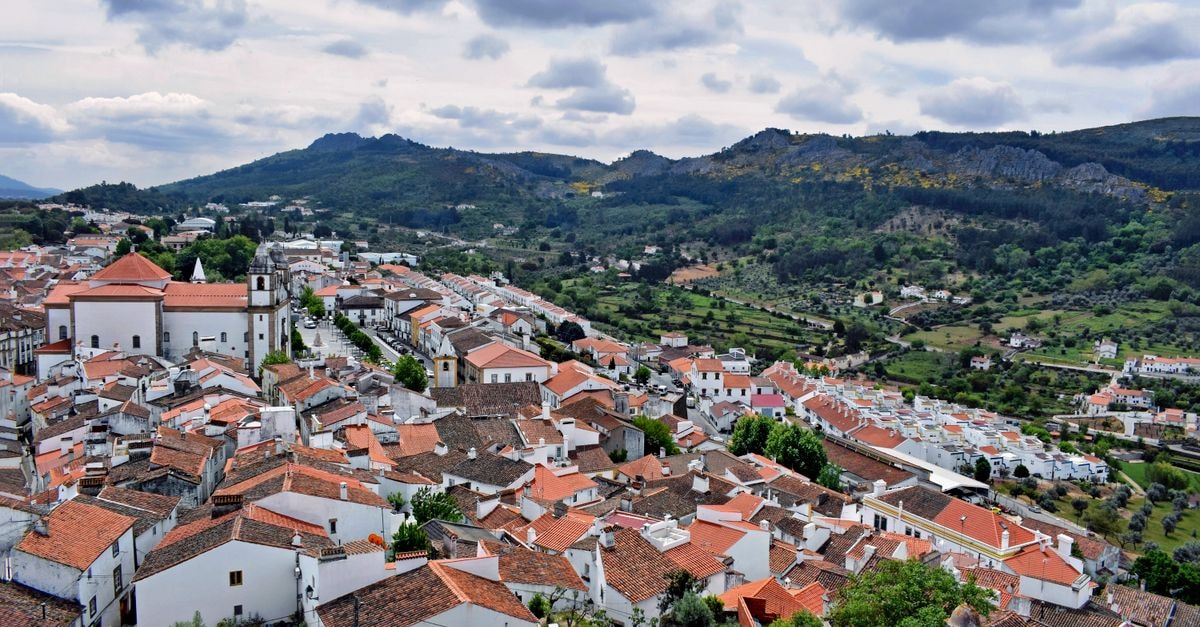
Évora sits at the center of the Alentejo, the wide, sun-warmed plains that define much of southern Portugal. Whitewashed walls, terracotta roofs, and a compact historic core give the city a feeling of measured calm — the kind of place where slowing down feels less like a choice and more like an inevitability. For travelers who like their days structured around heritage rather than checklists, this guide offers a grounded starting point.
The approach below focuses on two practical pillars: how to move around the city comfortably, and how to plan your time around the attractions that have shaped Évora's identity.
Getting around
Walking is one of the most natural ways to experience Évora. Its historic streets are inviting on foot, and many travelers find that the compact layout encourages unhurried exploration rather than rushing between stops. If you prefer a guided overview, walking tours are a common way to get oriented with the city before deciding what you want to revisit on your own later.
For shorter trips around the city, especially when carrying luggage or moving between areas that feel less convenient on foot, taxis are readily available. They offer a comfortable option for those who would rather save their energy for exploring rather than navigating. Ride-sharing services are also part of the local transport picture, providing an alternative for visitors who prefer app-based booking.
Because the city is compact, most travelers find that combining walking with occasional taxis or ride-shares is enough. You may want to keep a few saved rides in mind for the start or end of the day, particularly if you are arriving with bags or heading out at an hour when walking back feels less appealing.
Attractions and planning
Évora's heritage is unusually layered. One of the most remarkable aspects of the surrounding region is the presence of more than ten megalithic sites within the Évora district, a striking testimony to prehistoric life in the Alentejo and one of the most significant concentrations of such monuments on the Iberian Peninsula and in Europe as a whole. Travelers interested in ancient history may want to plan for at least one quiet morning or afternoon dedicated to this dimension of the region, recognizing that the experience is as much about landscape and silence as it is about the stones themselves.
Inside the city, museums offer a different pace of discovery. Évora's museum scene is varied enough that visitors can shape their time around personal interests rather than feeling obliged to see everything. A practical list of the city's museums is available to help you select which ones match your curiosity and to organize your visit according to how much time you have. If you prefer a deeper rather than broader experience, consider choosing two or three institutions and lingering rather than racing through a longer lineup.
For travelers who like to plan lightly, consider building a loose shape for each day: one outdoor or monumental focus, one indoor cultural stop, and time in between for wandering. Because the megalithic sites lie outside the dense urban core, leaving a half-day free for them tends to make the experience feel more contemplative than rushed.
Choosing what fits your trip
Because Évora rewards different rhythms, a little honest planning goes a long way. Travelers drawn to prehistoric landscapes may want to give the megalithic sites genuine time rather than treating them as a quick add-on, since the surrounding Alentejo scenery is part of what makes them memorable. Museum lovers, on the other hand, may prefer to concentrate their energy indoors and save outdoor moments for early or late in the day, when the city feels softer underfoot.
A simple approach often works best: choose one or two priorities that genuinely excite you, leave the rest of the day open for discovery on foot, and use taxis or ride-shares to ease transitions when needed. If you are arriving with luggage or moving during quieter hours, a short ride can save energy without taking away from the pedestrian feel of the city.
This way of planning suits visitors who want depth over breadth and who appreciate being able to adjust their day as the light and mood change. Those who prefer a fully scheduled itinerary may want to book a couple of guided experiences in advance, while travelers who thrive on spontaneity will likely find Évora forgiving and easy to explore at their own pace.
A note before you go
Évora is a city where facts shift quietly over time. Transport availability, museum opening details, and access conditions for heritage sites can change, so it is always wise to confirm the most current information through official tourism channels or local services before and during your trip. Treat this guide as a starting framework rather than a fixed itinerary, and let the city itself guide some of your best moments.
If you have a specific question — such as which museums are best suited to a particular interest, or how to plan time for the prehistoric sites outside the city — feel free to ask before you travel.
Prices, opening hours, schedules, reservation rules, and local conditions can change; verify them through official channels before departure.
Share this article
TOOLS FOR THIS PLAN
Make the Evora plan measurable
Choose a tool only when it answers the next question in your trip. Your values stay in the browser, and each tool offers a route back to this planning context.