A warm base on Puerto Rico's east coast

Fajardo sits on the eastern shoreline of Puerto Rico and carries the nickname *La Metrópolis del Sol Naciente* — the city where the Caribbean sun rises. Travelers often treat it less as a single-sight stop and more as a relaxed base, a place to settle in for a few days while reaching the broader eastern corner of the island. The town itself moves at an unhurried coastal pace, with working harbor energy and a steady pull toward the water.
Because Fajardo's appeal is largely about using it as a launch point, the guide below leans practical: how to arrive, how to move around once you are there, and what kind of planning helps the days unfold smoothly. Pricing and operating details for specific tours and venues change frequently, so treat the numbers here as a starting reference and confirm directly with operators before booking.
Getting there and getting around
Fajardo is straightforward to reach by road from the San Juan area. The main route follows PR-66 and PR-3, two well-signed highways that connect the capital region to the east coast in a direct drive. Having a rental car is widely considered the most reliable option in this part of Puerto Rico, and one practical reason stands out: rideshare availability tends to drop off after dark on the eastern coast. Travelers who plan evening activities — sunset viewpoints, dinner runs, harbor strolls — should factor that in.
If you prefer not to drive, pre-booked shuttles and on-demand rideshares can work well for the outbound leg, but the return trip is where plans often break down. Drivers become harder to find later in the day, and waiting times at remote pull-offs can stretch. Drivers who like having flexibility may find a rental especially worthwhile, while travelers comfortable leaning on daytime tours may still manage without one. Before booking, it is worth asking any tour operator exactly how their pickup and drop-off work, since this is the kind of detail that varies by provider.
Within town, distances are short and the road network is easy to read. Most visitors move between the hotel zone, the harbor and nearby coastal roads without needing detailed navigation. A small note on infrastructure: roads and electricity in the Fajardo area were substantially developed over the mid-20th century, which is part of why the town now functions comfortably as a visitor hub.
A working harbor and a 19th-century landmark
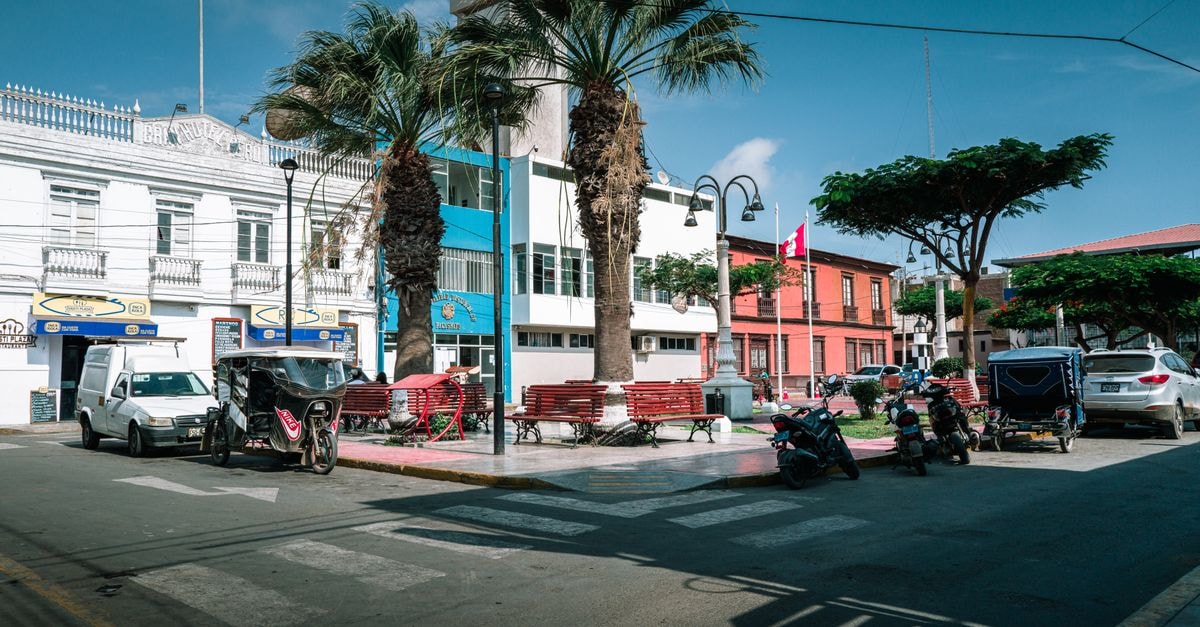
Fajardo's harbor is the visual heart of the town, and it remains a working harbor rather than a purely touristic waterfront. The mix of fishing boats, ferries and pleasure craft gives the malecón a lived-in feel, and the surrounding blocks hold the everyday shops, cafés and services that make a stay feel settled.
A short distance away sits one of the town's defining landmarks: a 19th-century lighthouse accompanied by a nature center. It is the kind of stop that rewards a slow visit — the grounds are easy to walk, the structure itself carries real historical weight, and the nearby nature center adds context for the surrounding coastline. For travelers who like layering a cultural stop into an otherwise beach-led trip, the lighthouse and nature center make a natural pause between morning and evening plans. As with any preserved historical site, opening days and hours can vary, so check locally before making a special trip.
Planning around the seasons
Puerto Rico's east coast has a recognizable rhythm, and understanding it helps shape a comfortable stay. Fajardo is generally described as working best as a visitor base between December and April, when conditions feel most settled for daytime excursions and evening plans. Bio bay tours, one of the signature experiences launched from this coast, start from around $50 per person as a baseline reference, though prices shift with operator, boat size and whether the kayak or electric option is chosen.
Outside that peak window, the coast still draws visitors, but the feel of the days changes. Humidity rises, rain showers become more frequent, and tours operate on more weather-dependent schedules. Travelers who prefer quieter streets and lower rates sometimes welcome this softer shoulder period, while those whose plans hinge on a specific experience — a clear-night bio bay, a calm kayaking window — may want to plan more flexibly. A simple approach is to build the most weather-sensitive activities into the first available day and leave lighter plans as backup.
Where to stay and how to plan the days
Fajardo offers a solid range of lodging for a town of its size, from harbor-view hotels to smaller guesthouses and rental apartments. The variety means independent travelers can usually match a base to a budget without much effort, and many properties sit within a short drive of both the harbor and the main coastal roads.
A few planning habits help the days run smoothly:
- Anchor the earliest plans to the most weather-sensitive activity, then build the rest of the day outward from there. - Confirm tour pickup logistics in writing, especially for evening excursions where return transport is the weak link. - Treat the $50 bio bay starting price as a reference point rather than a fixed quote, and ask what is included. - Leave one half-day unscheduled. The east coast rewards slow mornings — a café, a waterfront walk, time to read by the water.
For travelers deciding whether to base in Fajardo or stay closer to San Juan, the tradeoff is straightforward. Fajardo suits visitors whose plans center on the eastern coast — harbor departures, lighthouse visits, and the wider stretch between town and the surrounding nature areas. Travelers whose itinerary is mostly urban, museum-led, or anchored to Old San Juan nightlife may find a San Juan base more efficient.
For those leaning toward Fajardo, the town works especially well for self-sufficient travelers who like a rental car, harbor views at sunset, and the option to step straight from breakfast into a boat tour. Visitors who depend on evening rideshares, or who want a dense walkable restaurant scene on the doorstep, may want to reconsider and compare options before committing.
A note before you go
Fajardo's appeal is its combination of working-town character and easy access to the east coast's signature experiences. Prices, schedules and tour availability shift often, and conditions on the water are especially sensitive to weather, so confirm the details that matter to your trip directly with operators and local sources before you set out. Treat this guide as a starting framework — the kind of base you can build a comfortable east-coast stay around.
Prices, opening hours, schedules, reservation rules, and local conditions can change; verify them through official channels before departure.
Share this article
TOOLS FOR THIS PLAN
Make the Fajardo plan measurable
Choose a tool only when it answers the next question in your trip. Your values stay in the browser, and each tool offers a route back to this planning context.