An overview of Falun

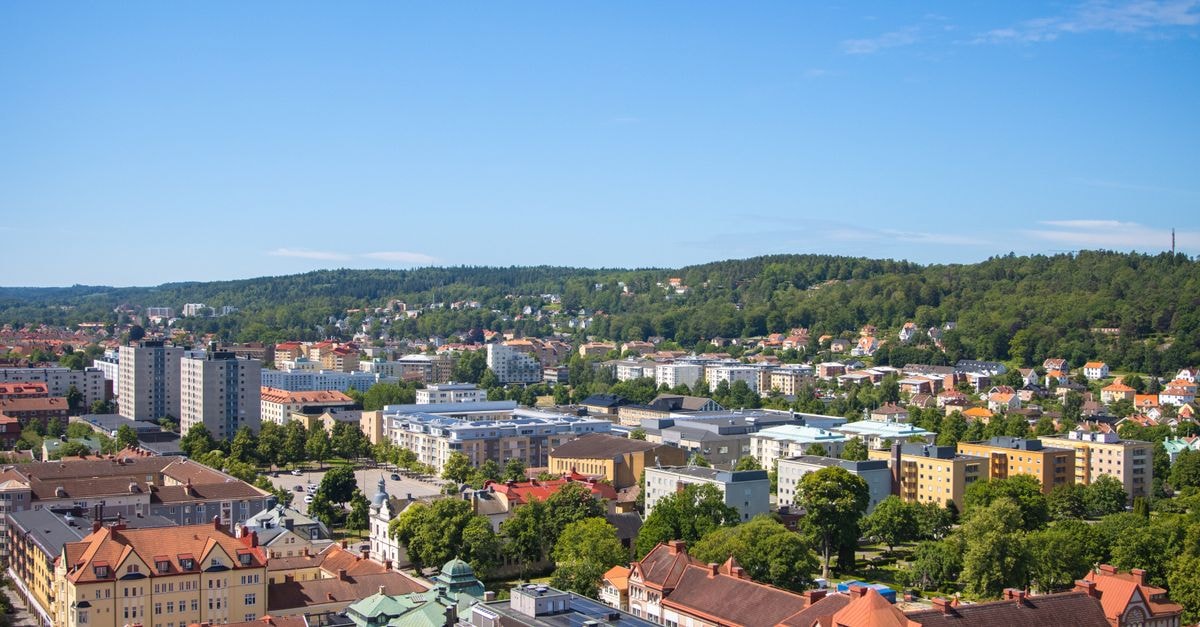
Falun sits in the heart of Dalarna and carries the easy confidence of a Swedish regional capital. Visitors often arrive expecting a quiet provincial stop, then discover a city whose identity has been shaped by a thousand years of mining and a particular shade of red that travelled from here to every painted cottage in the country. The cultural offering stretches from that deep industrial heritage to world-class events, and the surrounding landscape softens the experience with lakes and forest. It is the kind of place where a morning can belong to a museum and an afternoon to a paddle on the water, without either feeling forced.
Weather and seasonal context
Falun’s climate follows the rhythm of inland Sweden, where summers can feel mild and bright and winters turn crisp and snowy, often with steady conditions for outdoor sports. Because the city is closely associated with winter events at the Lugnet stadium, the colder stretch of the year tends to bring a different energy to town, while the warmer months make it easier to explore the countryside at a relaxed pace. The way visitors pace their day can follow the light: long evenings invite slow walks and outdoor meals, while shorter days encourage unhurried stops indoors, especially around the mine and museum sites where the underground stays at a constant temperature regardless of the season above. Packing layers is a sensible habit in any season, since temperatures between morning and late afternoon can shift more than visitors from milder climates expect.
Getting around and into the city
Falun is the residence-town of Dalarna and the most populous town in the province. That size makes it comfortable to navigate on foot for the central area, and small enough that moving between the main points of interest rarely takes long. The city also works well as a base for exploring Dalarna more broadly, since it functions as the regional capital and a natural starting point for routes deeper into the province.
One appealing way to experience the surroundings is to combine culture with outdoor activity by exploring the World Heritage Site in motion. Cycling and paddling routes link the mining landscape with the water and forest that frame it, allowing visitors to weave between heritage stops and outdoor stretches without backtracking. Falun is also the birthplace of the classic red paint that adorns Swedish houses, made from copper ores found in the local soil, so a route that begins here and reaches deeper into Dalarna connects two of the region’s most recognisable stories: the colour of the countryside and the geography that carries it. For visitors who prefer to plan their time around specific stops rather than improvising, four curated routes through the city’s highlights and local favourite spots offer a ready-made structure for a day or two of sightseeing.
Attractions and planning
Beyond the mine, Falun has the cultural breadth of a regional capital that regularly hosts world-class events. The Lugnet stadium is best known internationally for ski events, including the FIS Nordic World Ski Championships, and the energy around that calendar carries into the wider city. Even outside major event weeks, the stadium and its surrounding facilities speak to Falun’s role as a winter-sports capital of Sweden, which can shape the rhythm of the city across the year.
When it comes to meals, Falun’s restaurants and cafés cluster around the centre and can be discovered through a single curated listing rather than pieced together one by one. This makes it easy to plan a relaxed lunch between a morning heritage stop and an afternoon on the water or in town.
For accommodation, Falun offers enough variety to match either preference, whether visitors want to stay close to the city pulse or choose the peace of nature just outside the centre. The choice tends to come down to how a traveller wants their evenings to feel: stepping out directly into streets with restaurants and event venues, or retreating to a quieter setting where forest and water set the mood. Within the centre, it is straightforward to be based near the main cultural stops; further out, the trade-off is calm and views in exchange for a slightly longer approach into town.
Choosing what fits the way you travel
Readers who like to anchor a city in a single story will find Falun generous, because the mine, the red paint, and the regional landscape all circle the same theme. Visitors who prefer to mix culture with movement can plan around cycling and paddling routes through the World Heritage Site, which turn the landscape itself into part of the sightseeing. Those drawn to event-driven cities may want to time their visit around the Lugnet calendar, while travellers who care more about quiet evenings will likely prefer a stay on the edges of town where nature sets the pace. A useful question to settle before booking is whether the priority is being within easy walking distance of the central museums and cafés, or waking up to forest and water just outside the city.
A note before you go
Practical details around Falun, including opening hours for the mine tours, current ticket availability, and the wider programme at Lugnet, can shift over time. Factual travel conditions can change, and official channels should be checked before departure so that any timings, prices, or schedules reflect the latest information.
Share this article
TOOLS FOR THIS PLAN
Make the Falun plan measurable
Choose a tool only when it answers the next question in your trip. Your values stay in the browser, and each tool offers a route back to this planning context.