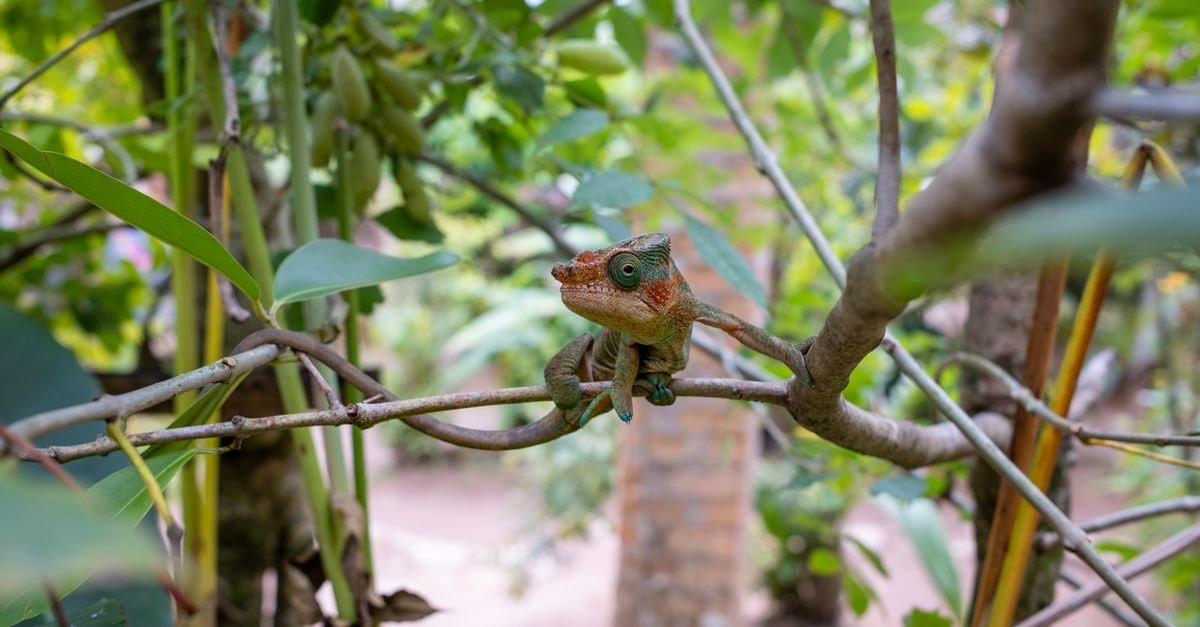
Farafangana at a glance

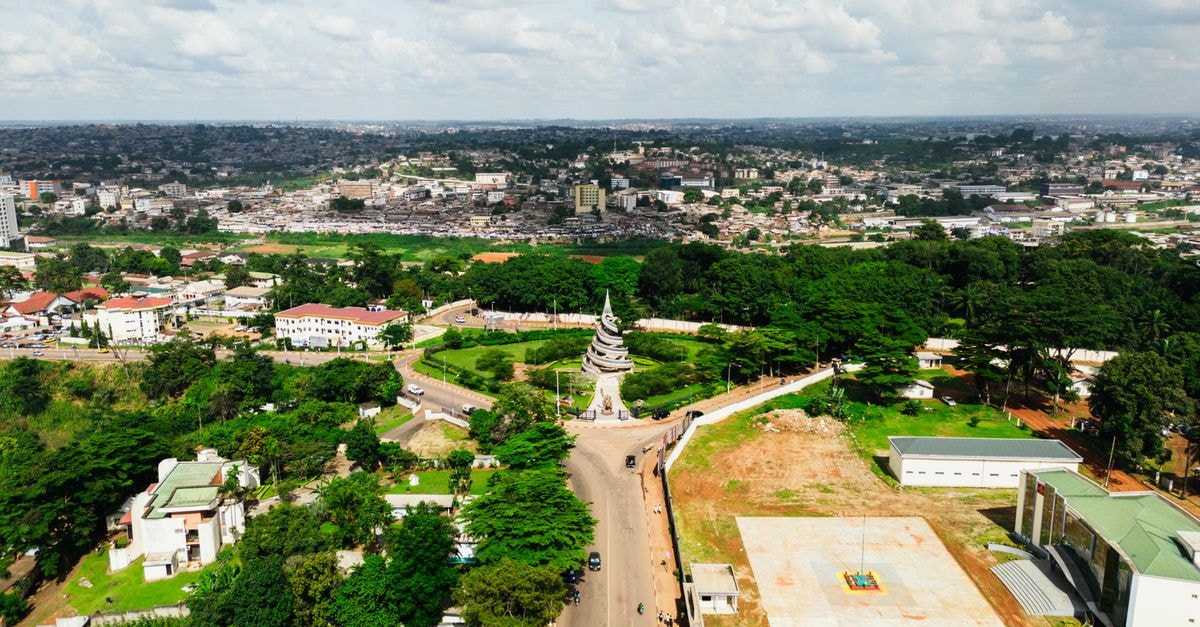
Farafangana sits on the southeast coast of Madagascar, serving as the capital of the Atsimo-Atsinanana region. It is the kind of place where the rhythm of life is set by the Indian Ocean, the daily fish catch, and the soft pace of a small regional hub rather than by any rush of tour buses. Travelers who appreciate slow, atmospheric stops tend to find their footing here, because the city's appeal lies in its everyday textures: the shoreline, the markets, the smoky charcoal cooking fires, and a working harbor that anchors community life.
This guide focuses on the practical layer of visiting Farafangana: what to expect from the weather, how the local currency works in everyday transactions, what a walk through town can feel like, and the broader Madagascar food culture you may encounter while eating your way through local spots.
Weather and seasonal context
The south-east coast of Madagascar is known for frequent rain showers throughout the year, so a lightweight, breathable rain jacket is highly recommended for any visit. Showers can roll in quickly and pass just as fast, which generally means planning for a flexible day rather than a rigid schedule. Mornings often feel softer and gentler, while afternoons can bring heavier bursts that settle the dust and refresh the greenery. Travelers who prefer to pace a trip around open-air walks and harbor views may want to keep outdoor exploration loose enough to slip into a covered café or shaded doorway when a shower arrives, then step back out when the air clears.
The coastline itself is genuinely impressive, with broad stretches of beach and a strong sense of place. That said, ocean currents along this stretch are notoriously strong and dangerous, and it is always wise to ask locals before attempting to swim. A swim-friendly stretch may exist further along the coast or within sheltered sections known to residents, but entering the water without local confirmation is not the kind of risk worth taking. Travelers who specifically want to swim in the sea may want to reconsider Farafangana as a primary swimming destination and instead enjoy the beach scenery, the views, and the long walks along the sand.
Bring layers that handle both humidity and brief downpours. A rain shell, quick-dry clothing, and comfortable footwear for damp pavement will go further than a formal city wardrobe in this climate.
Practical money matters
The local currency used in Madagascar is MGA Ariary. When budgeting, keep in mind that exchange rates shift over time, so the rate you see online is only a reference point and should be reconfirmed at a current exchange source, your bank, or the official rate published locally before you exchange money or set a daily allowance. Carrying a small reserve of cash for small vendors, market stalls, and rural shops is a practical habit in much of Madagascar, including regional hubs like Farafangana.
Getting around
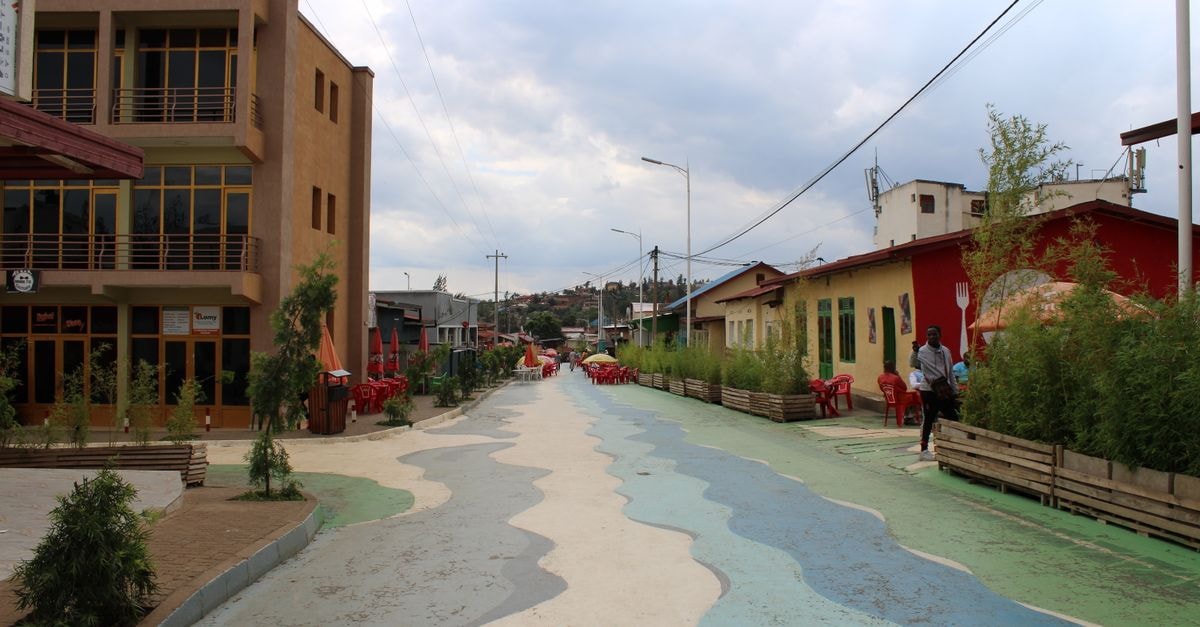
A walk through Farafangana is a key part of the experience rather than just a way to move between sights. The scent of smoky charcoal and fresh herbs is a constant companion here, drifting from cooking fires, roadside grills, and the open kitchens of family-run eateries. Following those aromas is often the most rewarding way to find a good meal, a friendly conversation, or a quiet bench overlooking the water.
The town is compact enough that a slow walk can reveal the layered texture of the region: the harbor area, residential lanes, the daily market, and the edges where the town softens into palm groves and beach. Travelers who like to orient themselves on foot first, then arrange a vehicle for a specific outing, tend to settle in comfortably. For longer trips outside town, local transport options are typically arranged on the ground rather than pre-booked online, so it can help to ask locally about the best way to reach a specific destination.
Food and local context
Madagascar food is rarely a quick, plated affair. Traditional meals don't arrive on your plate in the polished, separate-stack way you might expect from European or East Asian dining; instead, they tend to arrive together, often centered on a single shared dish, with rice as the anchor. Eating in Farafangana is likely to feel closer to a family table than a restaurant service, and embracing that rhythm is part of enjoying the experience.
One traditional Malagasy dish that reflects the country's culinary heritage is ravitoto sy henakisoa, a stew of pounded cassava leaves cooked with fatty pork belly until both elements melt into an almost-black, richly savory mixture. The dish is a good illustration of a broader Madagascar cooking style: slow-cooked, deeply seasoned, and built around transforming humble leaves and cuts into something lush and comforting. Visitors who enjoy slow-cooked, leaf-based stews and pork may find this style of dish appealing, while travelers who prefer lighter, vegetable-forward plates might want to balance a heavier local meal with simpler sides like rice, salad, or fresh fruit when available.
Because meals are typically eaten as a shared plate rather than individually portioned, it can help to approach dining with a flexible appetite and a willingness to let the kitchen decide the rhythm. Travelers who like structure may want to ask in advance how a dish will be served so they know what to expect.
Choosing what fits your trip
Farafangana rewards a particular kind of traveler: someone content with quiet coastal scenery, sensory streets, and shared meals rather than a packed sightseeing list. The two tradeoffs worth weighing are weather and the ocean itself. Rain is frequent, so packing a proper rain layer and keeping plans flexible matters more than locking in a strict outdoor schedule. The sea is powerful and unsafe for casual swimming, which means beach time here is best enjoyed as scenery, long walks, and harbor-side evenings rather than as a swimming holiday. Travelers who specifically want ocean swimming may want to pair Farafangana with another Malagasy destination better suited to calmer waters, while travelers drawn to atmosphere, food culture, and a working regional capital will likely find the city a memorable stop.
A note before you go
Factual travel conditions can change, and details such as exchange rates, transport options, local services, and road access should always be confirmed through official or up-to-date local channels before departure. Treat this guide as a starting framework for understanding Farafangana rather than a final itinerary.
Exchange rates shown are for reference only; check the current live exchange rate before departure. Prices, opening hours, schedules, reservation rules, and local conditions can change; verify them through official channels before departure.
Share this article
TOOLS FOR THIS PLAN
Make the Farafangana plan measurable
Choose a tool only when it answers the next question in your trip. Your values stay in the browser, and each tool offers a route back to this planning context.