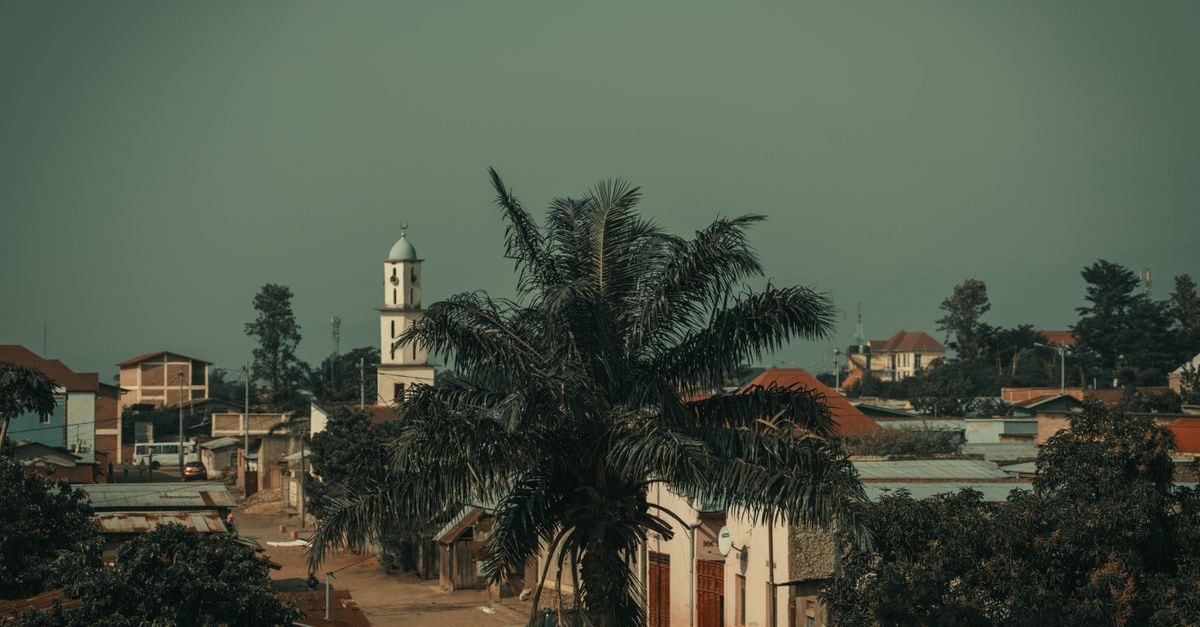
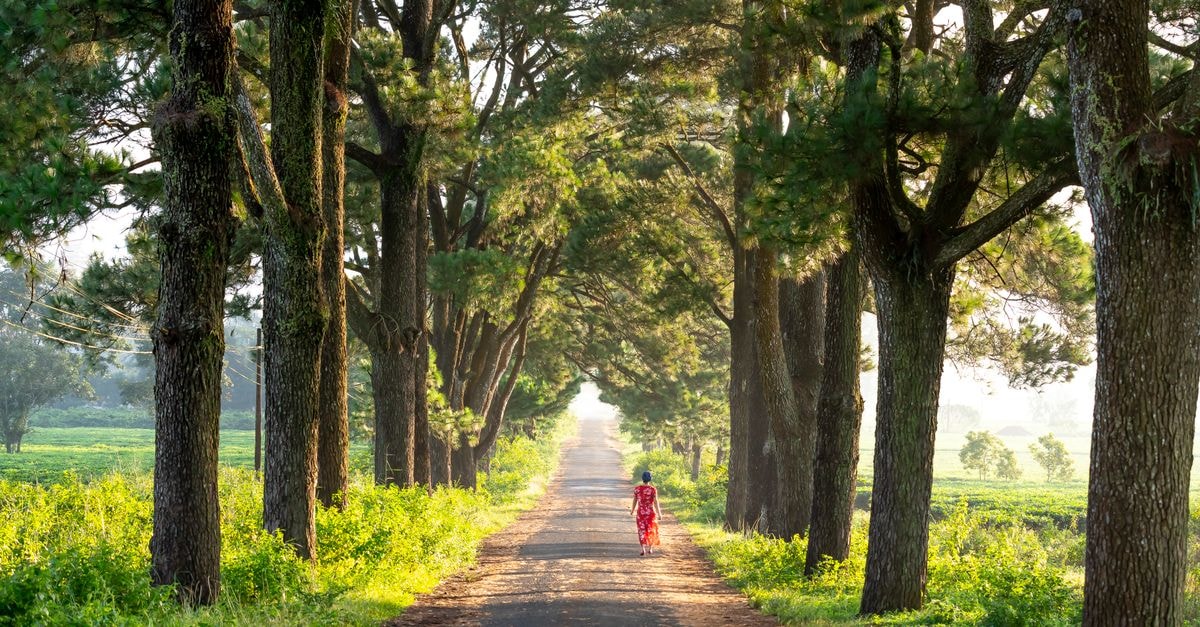
A town between two landscapes

Faranah sits along one of Guinea's most atmospheric transitions, the place where the dry, ochre tones of the Sahel begin to soften into the lusher greenery of West Africa's forest belt. Visitors tend to arrive with low expectations and leave remembering the quiet rhythm of the town, the wide skies, and the sense of being somewhere genuinely off the main tourist track. It is the kind of place that rewards travelers who like unhurried stops, regional road trips, and a feel for everyday West African life rather than a checklist of headline sights.
The practical reality of a Faranah visit is straightforward. Because the rail network does not serve the town in any useful intercity sense, your journey here will be a road journey, and that single fact shapes almost every other decision you make.
Getting around
Road travel is the dependable way to reach Faranah. Long-distance buses and private vehicle hires from Conakry are the practical options for intercity visitors, and it is worth planning your arrival around what the road, not the timetable app, actually allows.
A few honest notes on transport in and around the region:
- **Rail is not a viable option.** Guinea's passenger rail services are not suitable for intercity travel to Faranah, so treat any online mention of a train connection as outdated or aspirational rather than as a usable route. - **Road is the default.** The town's road-access character means that almost every visitor arrives either by shared long-distance bus or by private hire, and the same modes handle onward regional movement. - **Plan for a full travel day.** The Conakry-to-Faranah corridor is long and the surfaces can be variable, so a same-day arrival is not something to assume without checking current conditions with your operator before you set off.
For travelers who specifically prefer overland routes and enjoy watching the landscape shift mile by mile, this road-first approach may suit your style well. If you would rather minimize hours in a vehicle and prefer short hops between major hubs, Faranah may feel like a stretch, and you may want to reconsider whether it fits the trip you are planning.
Once you are in town, movement is local and informal. Motorbike taxis and shared taxis handle short hops, and walking works well for the central area during the cooler parts of the day.
Attractions and planning
Faranah does not present itself as a packaged sightseeing destination. The town straddles the line where the Sahel's dust meets Guinea's green south, and a lot of the appeal lies in that in-between geography rather than in a roster of must-see landmarks. Travelers who choose to come here are usually choosing atmosphere, regional context, and a slower pace over a dense itinerary of ticketed attractions.
What this means in practice:
- **Curated attractions, tours, and experiences are available**, but the local tourism infrastructure is light, and listings can be thin compared with Guinea's better-known destinations. Approach your planning as research-led rather than booking-led. - **Regional identity is the main draw.** Faranah's appeal is closely tied to its position on the Sahel-to-forest transition, so scenic drives, market visits, and conversations with residents tend to be the highlights rather than specific monuments. - **Tourist attractions do exist**, and local guide sources can point you toward sites of interest, though descriptions of individual sites are not always detailed in widely available English-language material.
A practical approach is to arrive with a loose plan, identify a local contact or guide once you are there, and let the town shape your days. If you prefer destinations where every major sight is well documented in advance, you may find Faranah under-described, and that is worth weighing before committing to a visit.
Choosing what fits your trip
A few tradeoffs worth considering before you commit to Faranah. The town rewards travelers who are comfortable with long road journeys, light tourism infrastructure, and a destination whose pleasures are atmospheric and regional rather than landmark-led. If your travel style leans toward short, well-signposted city breaks with detailed English-language guides for every attraction, Faranah may feel like more effort than reward. If, on the other hand, you enjoy overland travel, regional character, and the kind of trip where the landscape itself is the headline, the long bus ride becomes part of the experience rather than an obstacle. Pack for a hot, dusty climate, keep your schedule flexible, and treat the town's between-two-worlds geography as the main attraction.
A short note before you go
A few details to verify locally rather than rely on older travel pages:
- Current road conditions and recommended bus operators for the Conakry–Faranah route - Whether your accommodation in town accepts mobile money, cash only, or a mix, and in which currency - Up-to-date local guidance on which areas are best explored with a local contact
Factual travel conditions can change quickly in this part of West Africa, so confirm the essentials through official channels and your accommodation before departure. Treat the notes above as a starting framework rather than a final plan.
Share this article
TOOLS FOR THIS PLAN
Make the Faranah plan measurable
Choose a tool only when it answers the next question in your trip. Your values stay in the browser, and each tool offers a route back to this planning context.