A riverside town worth slowing down for

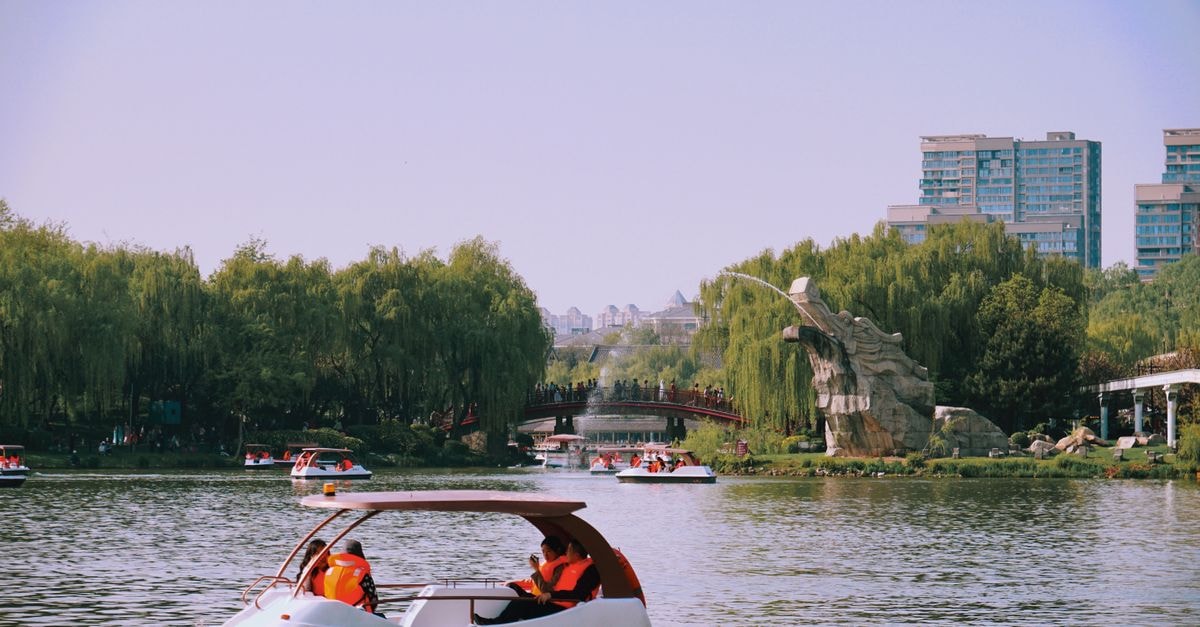
Fenghuang Ancient Town sits quietly along the Tuojiang River in western Hunan, and its rhythm is best absorbed slowly. The old lanes, stilted houses, and river views reward visitors who give themselves room to wander rather than rush from sight to sight. Many travelers arrive expecting a quick photo stop and find themselves lingering long into the evening, when lanterns begin to glow along the water and the town takes on its most photographed character.
This guide focuses on two angles that the town genuinely excels at: the experience of the river at sunset and after dark, and the wider culinary context that frames what you eat while you are here. It is written for visitors who prefer atmosphere and texture over a packed checklist.
Weather and seasonal context
The river is the heart of Fenghuang, and most memorable moments here are tied to light and water. According to a widely shared travel note about the town, **Xiangxi Fenghuang Ancient Town is described as "a poetic border town hidden by the Tuojiang River,"** and that framing matches the experience of most first-time visitors, who find themselves drawn to the riverside walk above all else. The Tuojiang is not just a backdrop; it organizes the entire layout of the old town, with bridges and stone crossings acting as natural pause points.
A second guide note frames the experience as **"a nanny-level travel guide,"** suggesting the route is approachable even for visitors who do not have a detailed plan. Shen Congwen's Former Residence is mentioned as a recognizable cultural anchor along the way, giving literary-minded travelers a specific point to weave into a riverside stroll rather than wandering without direction.
For sunset, a practical tip that recurs in traveler accounts is simple: **"In the evening, head to the Jumping Stones to wait for the sunset."** The stepping stones across the river are one of the most reliable vantage points for watching the sky shift over the water, and timing your visit for the late golden hour rather than midday tends to reward photographers more generously. If you prefer softer light and cooler walks, the period around sunset may suit you better than the bright middle of the day, when stone lanes can feel intense under direct sun.
After the sun drops, the ancient town's lit-up lanes draw visitors into a slow evening loop, an experience framed in one travel note as **"a must-visit for a night tour of the ancient town."** The night atmosphere is one of the town's signature experiences, and travelers who enjoy atmospheric evening photography may want to keep their route open-ended here rather than racing against a checklist.
Because the evidence here does not include direct temperature or rainfall figures, this guide deliberately avoids promising specific weather conditions. Layering a light piece for the river breeze in the evening is a small habit that tends to make the night walk more comfortable, but treat that as a personal preference rather than a guaranteed weather rule.
Food and local context
Food in Fenghuang is best understood as part of a much wider Chinese culinary landscape. The town sits within a country where **"Each of the eight major cuisines of China has its unique characteristics,"** according to an official overview of Chinese traditional culture. That framing is useful for visitors because it explains why menus here can feel familiar in some ways and surprising in others: regional flavor traditions across China are distinct, and what arrives at a riverside table in Fenghuang may carry its own local accent on broader Hunan or southwestern Chinese cooking.
A broader source describes Chinese food culture as **"A rich tradition of diversity and balance in cuisine,"** which is a helpful frame for travelers who are tasting across multiple regions. Rather than treating meals as fuel between sights, approaching them as small windows into regional habit can make slow evenings along the Tuojiang feel more rewarding. If you prefer learning through eating, consider keeping a short list of unfamiliar dishes you tried each evening, so the trip becomes a small culinary record as well as a visual one.
That same source also notes that **"China's regional cuisines are a testament to its culinary diversity,"** reinforcing the idea that variation, not uniformity, is the norm. For visitors who enjoy comparing flavors from place to place, this means a meal in Fenghuang is not just a stop on a trip but a small chapter in a much larger story of how Chinese food changes as you move across the country.
Choosing what fits your trip
Fenghuang is a town where the itinerary almost writes itself once you accept that the river is the main character. Travelers who prefer atmospheric wandering and unhurried photography will likely enjoy building the day around a slow riverside walk, a sunset at the Jumping Stones, and a relaxed evening loop through the lit-up lanes of the ancient town. Those who prefer more structured sightseeing can use Shen Congwen's Former Residence as a calm cultural midpoint between the morning and the evening. Because the evidence here focuses on atmosphere and food context rather than specific venues or prices, visitors who need firm details on tickets, opening hours, or reservation requirements should confirm those directly with their accommodation or an official channel before relying on them. The trade-off, in short, is between letting the town set the pace and imposing a tighter schedule on it; the town tends to reward the first approach.
A final note before you go
Travel conditions in any town can shift, and details about access, opening hours, or local rules may have changed since the notes referenced here were written. Treat the atmosphere-focused framing above as a reliable guide to the kind of experience Fenghuang offers, and verify any specific operational detail through official or locally updated sources before you travel. Currency rates, where relevant, should also be checked at the live rate on the day, since they move constantly. With those small precautions, Fenghuang is the kind of place that rewards a slow traveler with one of the most quietly memorable river evenings in southern China.
Share this article
TOOLS FOR THIS PLAN
Make the Fenghuang plan measurable
Choose a tool only when it answers the next question in your trip. Your values stay in the browser, and each tool offers a route back to this planning context.