A Cycladic Capital That Greets You with Light

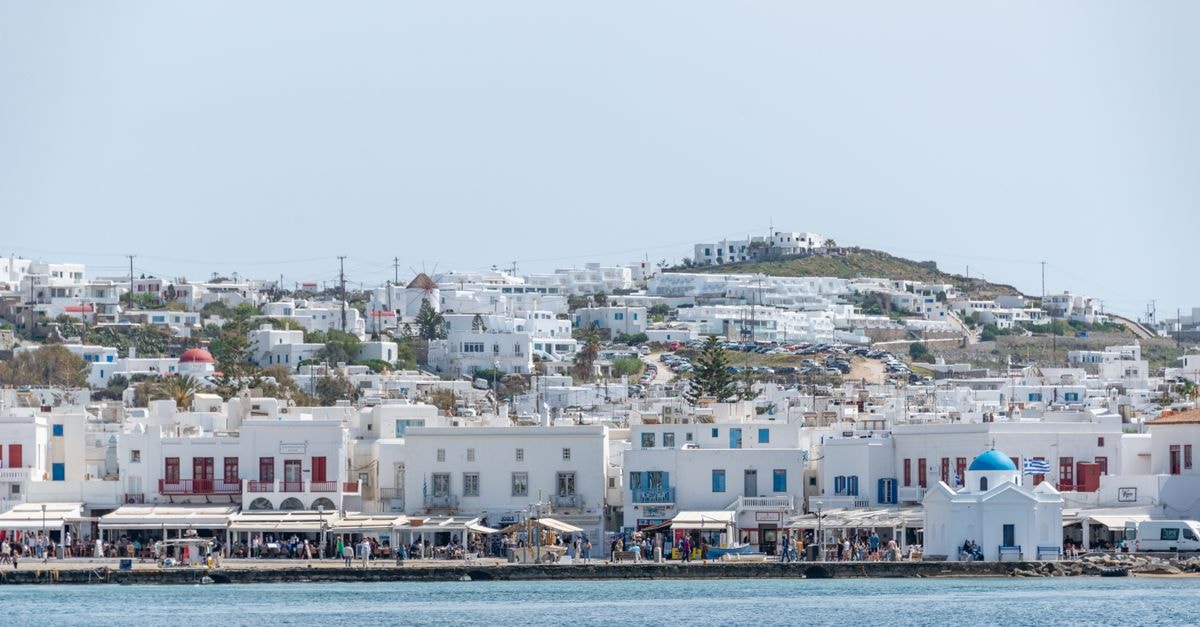
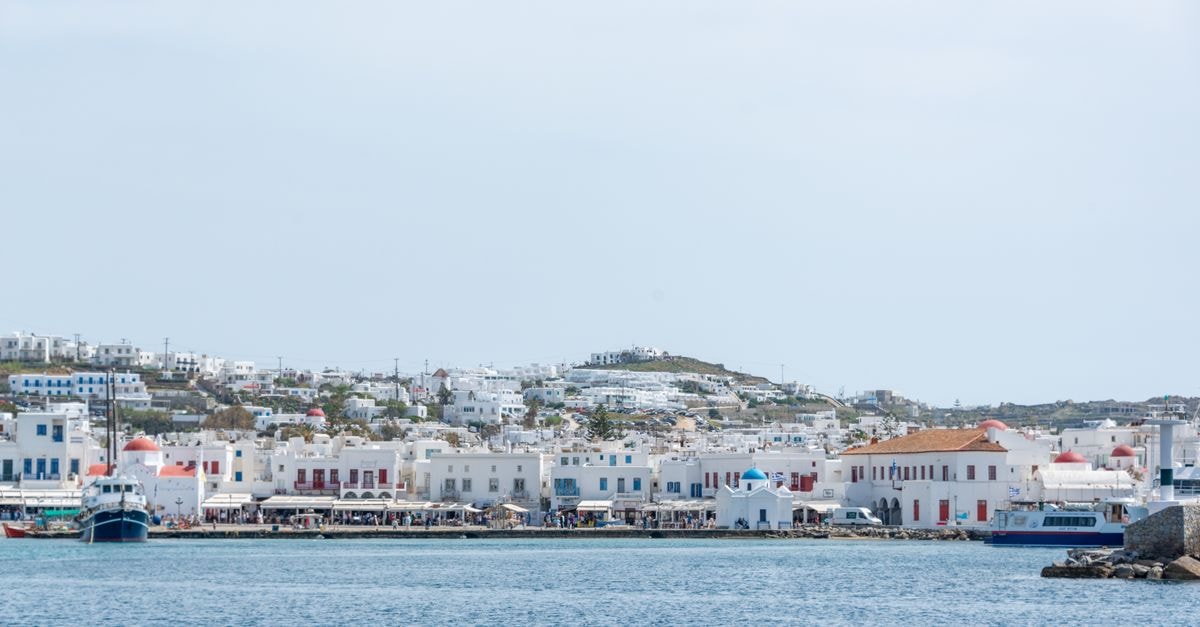
Fira is the bustling heart of Santorini, the kind of place where whitewashed lanes spill toward a dramatic cliff edge and the sea glitters far below. It carries the dual personality that defines so many Greek island capitals: traditional Cycladic architecture softened by a string of modern comforts, all wrapped around that famous caldera panorama. Travelers often describe Fira as the island's lively social and cultural center, a place that blends that traditional charm with a contemporary, easygoing energy.
What strikes most first-time visitors is the layering of the town itself. White buildings tumble down the cliff, their blue accents catching the sun, while footpaths thread between small squares and lookout points. Exploring Fira is widely described as a delightful experience, with stunning cliff-top views and traditional Cycladic architecture forming the backdrop for almost every stroll. Because the town sits high above the water, even a casual walk from one café to the next tends to end at a viewpoint.
If you like the idea of using a single town as your home base for an island holiday, Fira is the obvious anchor. It is compact enough to wander on foot, yet central enough that you can pivot toward the rest of Santorini whenever the mood takes you. The rhythm here suits travelers who want to balance sightseeing with unhurried café afternoons and sunset watching.
Weather and Seasonal Context
Fira sits in the southern Aegean, and the climate shapes how the town feels throughout the year. Summers are typically long, sunlit, and dry, with the kind of strong midday light that makes whitewashed walls glow. Shoulder seasons tend to feel milder, with cooler evenings that invite a light layer, while winters are quieter and cooler overall. Because the town climbs a cliff, those temperatures can feel slightly different from what you might read for coastal forecasts; the elevation catches breezes, and shaded lanes can feel a touch cooler than open plazas.
For most visitors, the practical implication is straightforward. In the hotter months, pace the day gently: explore in the morning when lanes are quieter and the light is golden, retreat into a café or museum when the sun climbs, and save the famous sunset hours for an evening stroll back to the caldera. The dramatic cliff-top views are what most people remember, and they tend to look their best when the light softens.
A few general tips apply regardless of season. Comfortable walking shoes make a real difference because the town steps up and down along its cliff path. A light scarf or shawl can be handy, both for cooler evenings and for shielding from sea breezes near the cliff edge. Sunglasses and sun protection are almost always welcome, as the bright surfaces bounce light around. None of this is about any single month; it is simply the rhythm of a town built into the rim of a caldera.
Getting Around
Fira works well as a pedestrian town, and many visitors find that their feet are the most useful mode of transport during the day. The lanes fan out from a central pedestrian stretch, and the highlights, including the cliff-edge walk and the main squares, are all within easy walking distance. Walking also lets you linger at the lookouts that give Fira its reputation for magnificent views of the coast, something many travelers consider the single best feature of the town.
When you want to venture beyond the capital, the local bus network is the simplest option. If you are more interested in a beach break or activities on the coast, staying in nearby coastal villages and catching the bus into Fira for a visit is a common arrangement. That said, you do not need to leave Fira to enjoy the town itself, since it functions as both a destination and a hub.
Accommodation choices in and around Fira range widely. The town offers hotels, smaller guesthouses, and pensions tucked into the lanes, and there is also a hostel and a campground with rooms on the outskirts of Fira for travelers who prefer a more budget-friendly base or a slightly quieter setting away from the busiest squares. If your priority is being close to the caldera views and the evening atmosphere, staying in the central lanes makes sense; if your priority is a calmer night or a lower price point, the outskirts of town and the nearby coastal areas can be worth considering.
What a Day in Fira Can Feel Like
Because Fira is so compact, the rhythm of a typical visit tends to repeat itself in a satisfying way. Mornings often start with a coffee and a pastry at a small bakery, followed by a slow walk along the caldera path. Midday brings the chance to duck into a museum, browse a small shop, or simply sit and watch the ferries slide across the deep blue water below.
Late afternoons belong to the light. As the sun lowers, the white buildings shift from bright white to warm cream, and the sea takes on a darker, more reflective tone. Evenings tend to drift toward the cliff edge, where travelers gather to watch the sky change, then wander back into town for a relaxed dinner. Because Fira doubles as the island's social and cultural center, there is often something happening in the squares after dark, from live music to casual strolling, which makes the town feel especially alive once the sun sets.
Choosing What Fits Your Trip
Fira suits travelers who want the convenience of a central base paired with classic caldera scenery. If your priority is being on foot in a walkable town with plenty of cafés and sunset lookouts, the central lanes around Fira make a natural home. If your priority is a beach day or water-based activities, staying in one of the coastal villages and using the bus into Fira for sightseeing can be a sensible balance, because the bus network connects the capital with the rest of the island. Those who prefer a quieter, lower-key base, or who want a hostel- or campground-style stay, may want to look at the outskirts of Fira rather than the densest part of town. None of these choices are about right or wrong; they are about which part of the Santorini experience you want to wake up to each morning.
Prices, opening hours, schedules, reservation rules, and local conditions can change; verify them through official channels before departure.
Share this article
TOOLS FOR THIS PLAN
Make the Fira plan measurable
Choose a tool only when it answers the next question in your trip. Your values stay in the browser, and each tool offers a route back to this planning context.