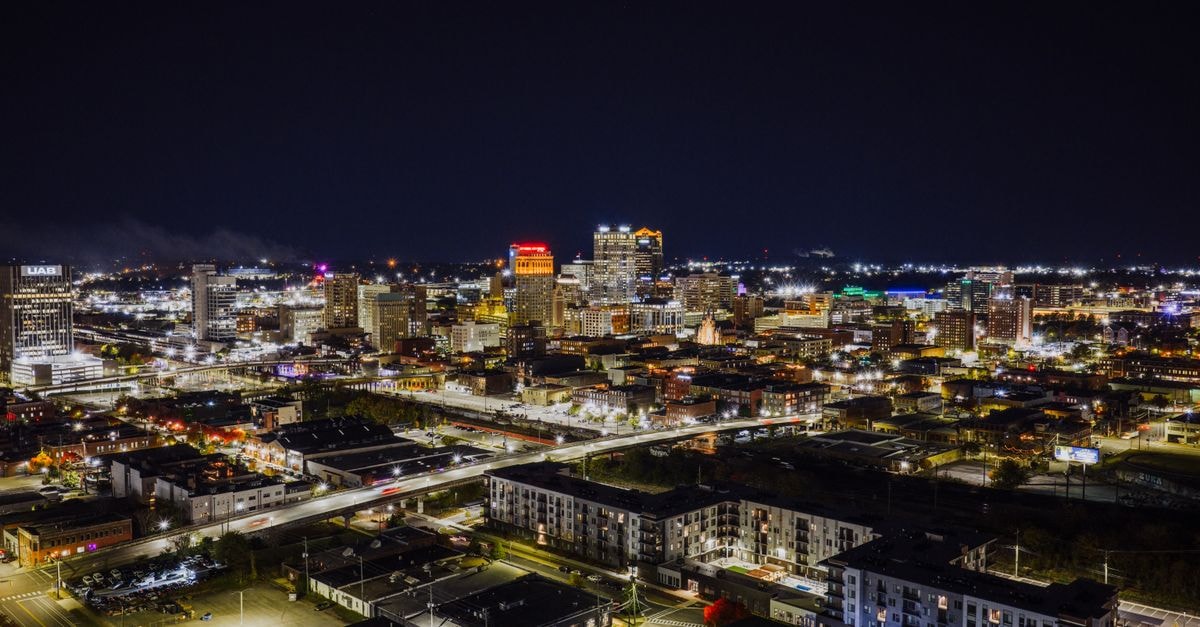
A Quiet Midwest City with a Few Bright Centerpieces

Fort Wayne has the unhurried feel of a Midwestern city that rewards visitors who arrive curious rather than over-planned. Spread across northeast Indiana where three rivers meet, the city mixes leafy residential streets with a compact cluster of restaurants, breweries, and cultural venues that punch above what the skyline suggests. Travelers tend to find that a short stay reveals a place shaped by its riverfronts, its ballpark tradition, and a dining scene that has clearly been in motion for some time. Rather than overwhelming with a checklist of sights, Fort Wayne invites a slower reading of its neighborhoods, its public spaces, and the everyday rhythms of locals who treat their city like a comfortable living room with very good places to eat.
Weather and Seasonal Context
The climate in Fort Wayne follows a familiar Midwestern arc, and the city has a window of the year when outdoor plans feel especially inviting. According to long-term climate data, the warm-weather travel score in Fort Wayne rises between mid-June and mid-September, which is when conditions for being outside tend to feel the most pleasant. Outside that window, the same scoring system rewards different priorities, so visitors planning a trip at any time of year can expect a different texture to their days. Because the underlying climate pattern is gradual rather than abrupt, travelers can pace their itineraries around the season they choose and still find plenty to enjoy, with outdoor time taking a different shape from spring to late autumn.
For practical planning, the warm-weather window is the natural fit for visitors who want to spend long hours along the riverfronts, attend an outdoor concert or festival, or settle in for an evening at a ballpark. Travelers arriving outside that window often lean into museums, indoor attractions, and the slower café-and-restaurant rhythm that defines the city's colder months. In any season, layering is wise because Midwestern weather tends to swing, and a sunny afternoon can give way to a much cooler evening without much warning.
Attractions and Planning
For travelers, this suggests a few practical shapes for a visit. A trip timed around a home stand can give a natural evening anchor after a day spent exploring the riverfront trails, the downtown arts campus, or the botanical conservatory nearby. Because the ballpark draws crowds throughout the warm-weather window, even a casual visitor may want to peek at the schedule before arriving and treat the game as an optional centerpiece rather than a fixed plan. Visitors who are not baseball fans can still appreciate the building as a piece of the city's social fabric, and many summer evenings in Fort Wayne revolve around the simple pleasure of walking toward the lights of Parkview Field with a few friends.
Beyond the ballpark, the city's broader appeal lies in its greenways and outdoor spaces, which connect several of its districts and give the city a sense of openness. A traveler who likes to walk or rent a bike will find that Fort Wayne rewards that instinct with long stretches of riverside paths that feel distinctly different from a typical downtown grid. The result is a destination that feels approachable rather than overwhelming, where one or two full days of gentle exploration can cover the essentials.
Food and Local Context
The dining scene in Fort Wayne is described as always changing, which makes it a worthwhile stop for travelers who enjoy sampling a city's food culture as it evolves. Rather than a static list of heritage restaurants, the city offers a rotating sense of what its chefs and neighborhoods are currently exploring, and visitors who arrive with curiosity tend to be rewarded with surprise. The pace of that change is part of the appeal: returning travelers often notice new places that were not there a year or two earlier, and even first-time visitors can sense the energy of a food scene in active conversation with itself.
Within the wider United States, travelers will recognize many of the broader patterns of American dining culture, from the prominence of casual brunch spots and neighborhood pubs to a strong regional love of comfort food and shared plates. In Fort Wayne, those patterns meet a Midwestern sensibility that tends to favor generous portions, local sourcing when possible, and a friendly, unpretentious atmosphere. Visitors who enjoy eating their way through a city will find that the most rewarding approach is to walk a few neighborhoods rather than fixate on a single street, because the changing scene means that new favorites are likely to be tucked into unexpected corners.
For practical planning, it helps to think of meals as part of the city's rhythm rather than a checklist. A traveler who pairs a relaxed lunch with a long walk along the riverside, then drifts into dinner after a ballgame or a concert, will tend to experience Fort Wayne in the way locals do. Because the scene is in flux, visitors are wise to ask locally for current favorites or to look at recent neighborhood guides before settling on a final plan.
A Few Practical Notes Before You Go
Travelers should also keep in mind that the climate in Fort Wayne shifts noticeably between mid-June and mid-September and the rest of the year. Packing with layering in mind, and choosing plans that suit the season, helps the trip feel smoother from morning to evening.
A Note on Accuracy and Verification
This guide is written as evergreen city context based on general climate patterns, the standing reputation of Parkview Field as one of the country's well-regarded minor league ballparks, and the broad character of Fort Wayne's changing dining scene. Factual travel conditions can change at any time, and details such as ballgame schedules, restaurant hours, festival programming, and seasonal weather can shift between planning and arrival. Before traveling, it is always wise to check official tourism channels, current event calendars, and up-to-date listings so that your plans reflect the city as it is on the day you arrive.
Prices, opening hours, schedules, reservation rules, and local conditions can change; verify them through official channels before departure.
Share this article
TOOLS FOR THIS PLAN
Make the Fort Wayne plan measurable
Choose a tool only when it answers the next question in your trip. Your values stay in the browser, and each tool offers a route back to this planning context.