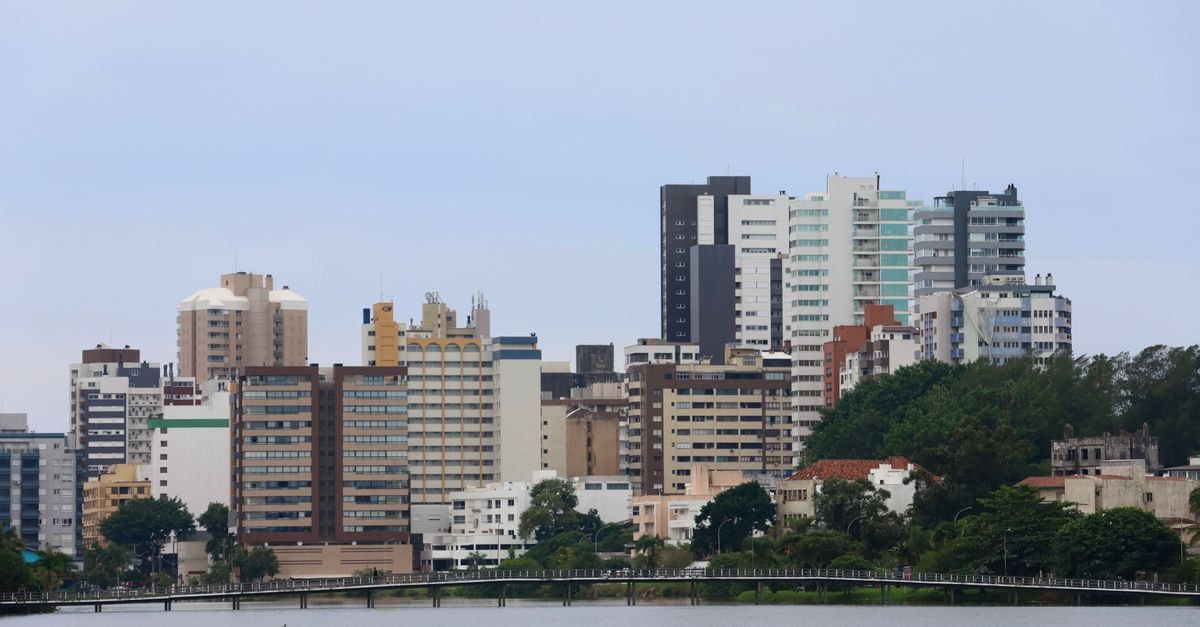
A City Gateway to the Falls—and More to Discover
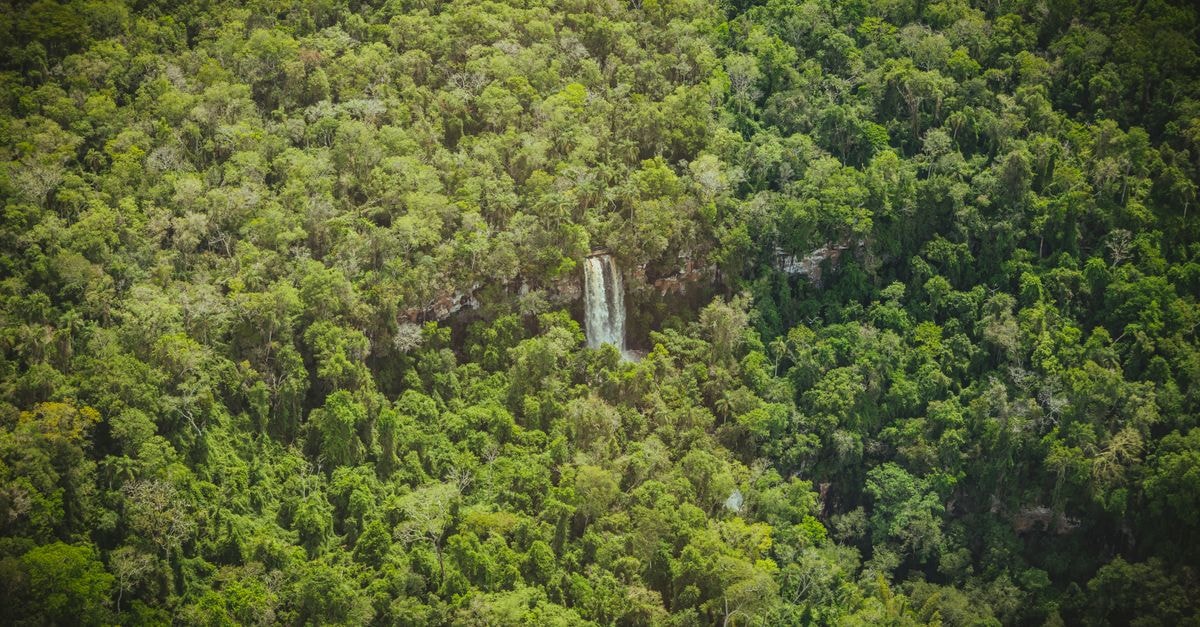
Foz do Iguaçu is a city with two distinct travel pulls: the dramatic appeal of Iguaçu National Park and a growing food-and-culture scene. For visitors who want practical planning without an overfilled agenda, the essentials are relatively clear. Entry to the Brazilian park is managed through timed tickets, accommodation can be chosen either inside the park boundary or in downtown Foz do Iguaçu, and the city’s humid subtropical setting brings distinct seasons. The dining side adds another layer, from seafood-focused restaurants to markets that are highlighted as part of the local culinary experience.
This guide keeps the focus on what can be established firmly, helping you compare the park visit, lodging setting, weather context, and food priorities before making choices.
Weather and Seasonal Context
Foz do Iguaçu has a humid subtropical climate with distinct seasons. That broader climate pattern is useful for understanding how to approach a visit, but it does not replace a closer check of conditions for the dates you are actually traveling.
If you prefer to pace outdoor sightseeing according to the forecast, a forecast check is especially sensible around the park visit. The waterfalls can be a compelling focus, yet a fixed plan should never come at the expense of comfort. Pack for heat, humidity, rain, or cooler conditions as appropriate to the seasonal outlook and your own sensitivities.
Because seasonal weather details are not established here, avoid treating any month as guaranteed hot, wet, or dry. The sensible approach is to build flexibility into the day: keep the falls visit as the anchor, but remain open to changing the order of activities if the current forecast calls for it. Official travel and park channels are the best final reference for weather warnings and temporary operational notices.
Understanding Park Entry from Foz do Iguaçu
The Brazilian side of Iguaçu Falls is Parque Nacional Iguaçu, and entry uses a timed-ticket system operated by the Urbia Cataratas concession. If you prefer a more structured visit, check the official sales channel for the applicable ticketing process and whether a specific entry time can be selected.
The published ticket price is R$134 for foreign visitors and R$121 for Brazilian and Mercosur residents. Both figures include a small voluntary conservation contribution. These amounts are useful as a planning reference, but the purchase price and availability should be checked through the official sales channel before travel; a published fare is not the same thing as a live confirmation for your preferred date and ticket category.
As general personal-security awareness, keep your guard up and avoid openly flashing phones or cameras. This can help reduce unnecessary disruption when you are moving through public spaces or taking photographs.
For travelers deciding between accommodation inside the park boundary and downtown Foz do Iguaçu, the key distinction is location and lodging type. Options range from ultra-luxury properties inside the park boundary to budget-friendly design hostels downtown. If you prefer accommodation inside the park boundary, a property in that setting may suit. If you prefer a downtown location and the documented budget-friendly hostel option, staying in the city may fit your plan.
Choosing Where to Stay
Accommodation in Foz do Iguaçu can suit a broad range of travel preferences. The city and the national park offer distinct settings, and the evidence does not point to one option as universally best.
If you prefer accommodation inside the park boundary, the documented options include ultra-luxury properties. The available evidence distinguishes these from budget-friendly design hostels in downtown Foz do Iguaçu, but it does not establish particular views, distances from the falls, or service standards.
If you prefer a budget-friendly hostel in a downtown setting, a design hostel in Foz do Iguaçu may suit. Downtown placement provides a clear contrast with accommodation inside the park, allowing you to divide time between the attraction and urban life.
Because the available information identifies lodging types rather than specific service standards, check current details directly before booking. Confirm the exact location, price, availability, and inclusions with the property or its official booking channel; a designation such as “ultra-luxury” or “budget-friendly” does not answer every practical question.
Food and Local Context
Food is one of the city’s richer dimensions. Foz do Iguaçu is documented as having several restaurants offering gastronomic experiences, and markets are highlighted as a food highlight of a visit. The useful approach is to look for a mix of a sit-down meal and market browsing rather than treating dining as a single, interchangeable stop.
Coco Bambu is known for its seafood options and may suit families or groups. That makes it a practical point of comparison when you want a restaurant recognized for a particular culinary focus and are organizing a meal for several people. The available evidence does not provide a full menu, price range, reservation policy, or opening schedule, so confirm those details separately if they affect your choice.
Markets are highlighted for their role in the local culinary experience. If you prefer including a market in your visit, consider making market time part of your plan rather than treating every meal as a conventional restaurant stop. The city-specific food evidence does not name individual markets, identify particular products, confirm a lively atmosphere, or verify current vendor availability, so check local details before relying on a specific market.
The broader Brazil food context may add familiar regional and national influences to what you encounter in the city, but these should not be presented as uniquely Foz do Iguaçu specialties. For restaurant selection, use the city-specific information first; use nationwide cuisine only as general context.
Putting the Priorities Together
Different parts of the trip reward different priorities. If your main interest is Iguazu Falls, compare accommodation inside the national park boundary with the budget-friendly downtown hostel option described in the available evidence. A timed park ticket can help anchor that visit, while keeping the rest of the day adjustable to the forecast.
If food is the stronger draw, the evidence documents both a restaurant context and a highlighted market context. Coco Bambu provides a documented seafood-focused option that may suit groups, while a market visit may appeal if you prefer browsing and tasting in that setting. For budget-conscious travelers, note that the supported accommodation evidence identifies downtown budget-friendly design hostels, but it does not provide a complete daily food budget or confirm meal prices.
The most useful plan is therefore not a rigid list but a clear set of priorities: timed entry for the falls, a lodging setting aligned with your budget and preferred location, a forecast check before outdoor activities, and enough flexibility to include the city’s food scene.
Prices, opening hours, schedules, reservation rules, and local conditions can change; verify them through official channels before departure.
Share this article
TOOLS FOR THIS PLAN
Make the Foz do Iguaçu plan measurable
Choose a tool only when it answers the next question in your trip. Your values stay in the browser, and each tool offers a route back to this planning context.