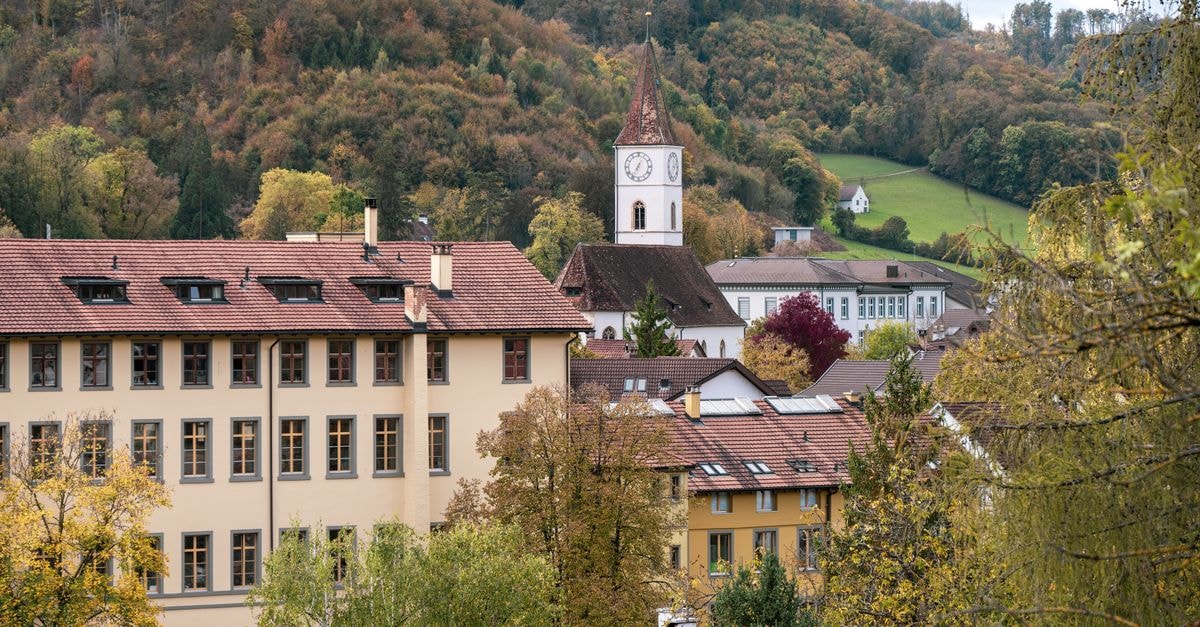
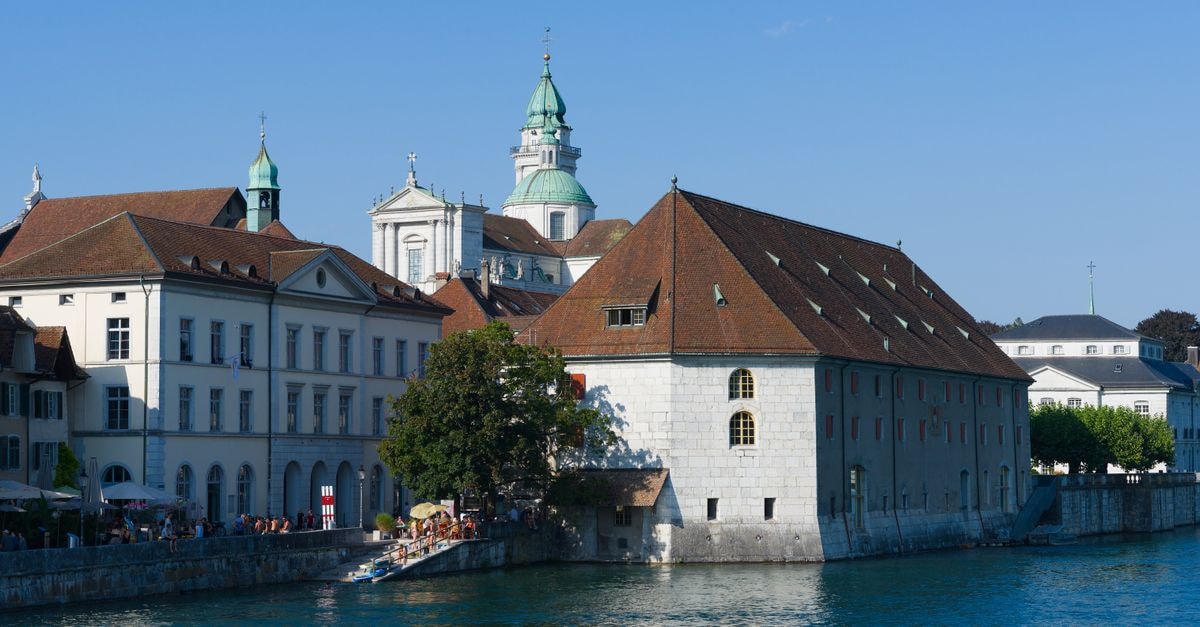
Perched on a bend of the Sarine River, Fribourg has the kind of skyline that quietly pulls you in for a closer look. Stone towers, sloped rooflines and old bridges stack up along the gorge, and the city reads almost like an open-air chapter of Swiss medieval history. Because it sits between the French- and German-speaking parts of Switzerland, the everyday rhythm feels bilingual, which adds a gentle cultural layering to even a short visit.

This guide leans into two things the evidence actually supports: what the weather around Fribourg can feel like, and how the city connects to the rest of Switzerland by rail, road and river-adjacent footpaths. If those are the practical questions on your mind, the sections below should set you up nicely.
Weather and seasonal context
Fribourg sits in the canton of Fribourg in western Switzerland, and its weather has the kind of mood swings you can plan around without overthinking. One forecast snapshot for the area shows a day with thunderstorms and hail, ranging from about 15 to 19 °C, which is a useful reminder that conditions here can shift quickly between warm intervals and sharp, showery bursts.
Because that kind of variability is common in the region, a few low-effort habits tend to serve travelers well. Layering helps, since a mild midday can give way to a noticeably cooler evening along the river gorge. A compact rain layer is useful even on days that start looking fair, because pop-up storms and hail are part of the local weather vocabulary. If you prefer a slower, indoor-leaning day, plan museum and chapel stops for the windows when the sky looks heaviest, and save viewpoints and bridges for brighter spells.
There is no need to over-engineer a weather strategy here. The bigger point is that Fribourg rewards travelers who stay flexible, dress in layers and treat the forecast as a starting point rather than a promise.
Getting around
Fribourg is a small city, but the way it sits in the landscape gives it a slightly layered feel. Founded in 1157 by Duke Berthold IV of Zähringen as a strategic town between the French- and German-speaking regions, it was placed precisely where travelers, traders and ideas would cross paths, and that same logic still shapes how visitors move through it.
A city shaped by the river
The Sarine River bends tightly around the old town, and the relationship between water and stone is part of what makes Fribourg feel distinct. This setting helped the city grow into a thriving commercial hub and a long-running place of cultural exchange, and it also explains why so many of the most memorable vantage points involve looking down at the river or across to the opposite bank. If you enjoy cities where geography itself becomes part of the sightseeing, this layout tends to click.
Reaching the historic center
Fribourg is well connected on Switzerland's main rail and motorway axes, which makes arrivals straightforward whether you are coming from Geneva, Bern, Zurich or Lucerne. Trains arrive close to the old town, and drivers can use the "Fribourg-Nord" exit of the A12 freeway as a direct route toward the historic center. Once you are parked or stepped off the platform, expect a short walk and some gentle climbing, since the medieval core sits above the river.
On foot in the old town
Inside the walls, walking is really the mode of transport. Fribourg is considered one of the most beautiful medieval cities in Europe, and the details that earn that reputation are best appreciated at a slow pace. You will find yourself looking up often: the towers of the city fortifications, old fountains, bridges crossing the Sarine, and chapels and monasteries tucked into the lanes all reward unhurried wandering rather than a checklist.
If you have a soft preference for fewer stairs, consider approaching the old town from the lower town near the river and rising gradually, rather than tackling the steepest lanes first. If you enjoy atmospheric evening walks, the bridges and riverside paths are a natural way to end the day.
Choosing what fits your trip
A few tradeoffs are worth weighing before you settle into your days. Fribourg rewards travelers who like medieval atmosphere, river views and bilingual Swiss culture more than those chasing a dense list of blockbuster sights, so pacing matters more than speed. If you enjoy cities where walking, looking and lingering do most of the work, the compact old town tends to feel just right; if you prefer a destination with a wide spread of major ticketed attractions on every block, you may want to balance Fribourg with a stop in a larger Swiss city.
Weather can shape the texture of the trip as well. The forecast variability mentioned above means that travelers who plan one or two indoor anchors for wetter spells, and keep viewpoints and bridges as flexible highlights, usually get the most out of the city. Rail-first travelers will find arrivals especially easy thanks to the city's position on the main rail axis, while drivers benefit from the direct A12 "Fribourg-Nord" exit into the historic center.
Practical notes and verification
A few small things are worth double-checking closer to your trip, since conditions on the ground can change. It is sensible to confirm current weather on the day of travel, since Fribourg's conditions can shift between mild spells and sharp, showery bursts including hail. Travelers arriving by car should verify the exact routing for the "Fribourg-Nord" exit of the A12, and anyone using regional or long-distance trains should check live timetables, since schedules can be updated. If a specific chapel, monastery or fountain you read about is a highlight of your plan, it is worth confirming its current opening status directly with the relevant local office before setting out.
Fribourg is the kind of place that does not need a packed schedule to feel rewarding. A couple of slow loops through the old town, a pause on one of the bridges over the Sarine and a relaxed meal are often enough to leave with a clear sense of the city. Keep plans light, stay flexible around the weather, and let the medieval lanes do the storytelling.
Prices, opening hours, schedules, reservation rules, and local conditions can change; verify them through official channels before departure.
Share this article
TOOLS FOR THIS PLAN
Make the Fribourg plan measurable
Choose a tool only when it answers the next question in your trip. Your values stay in the browser, and each tool offers a route back to this planning context.