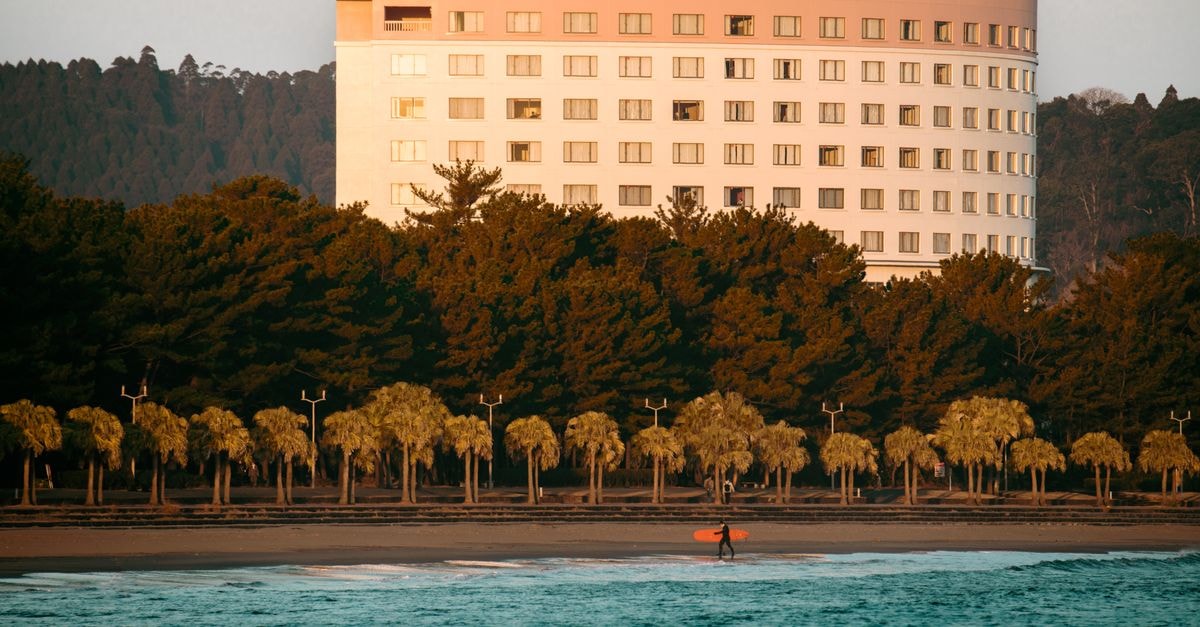
A first look at Fukuoka

Fukuoka has a way of feeling generous from the moment you arrive. The airport brings you almost into the city itself, and within a short ride you can already be walking through the bright, shop-lined streets of Hakata and Tenjin, smelling broth simmering in open-air stalls. There is no need to rush this place. With a compact center, a respected food scene, and a friendly rhythm of neighborhood discovery, Fukuoka works beautifully for travelers who like to wander a little between meals.
If you have a soft spot for markets, noodle counters, and slow evenings spent watching a city come alive at dusk, Fukuoka tends to deliver. The approach below keeps the focus on what the city is genuinely known for: an easy airport-to-downtown arrival, a transport network that rewards short walks, and a culinary identity that has earned international recognition.
Getting around
One of the first things travelers notice about Fukuoka is how gentle the airport arrival feels. Fukuoka Airport sits close to the city center, and its domestic terminal is connected directly to the subway, which makes the transition from plane to platform remarkably smooth. From there, you can reach major hubs like Hakata Station and Tenjin without much ceremony, and the broader public transport network opens up the rest of the city with the same ease.
That said, there are moments when a taxi simply makes life better. The transport guide highlights a few situations where a cab quietly saves the day: late-night travel after normal public transport service has wound down, a short transfer between ferry terminals and stations, or a trip from Hakata Station to a nearby hotel when you are weighed down with luggage. A taxi also helps families who want to cut down on walking, or anyone heading from Tenjin to Fukuoka Tower or PayPay Dome where the door-to-door drop saves time. You do not need to rely on taxis as your main mode, but it is reassuring to know they are right there when the situation calls for one.
Food and local context
Food is arguably the heart of any Fukuoka visit, and the city wears that reputation with pride. Fukuoka Prefecture is widely regarded as one of Japan's most famous food destinations, often described as the culinary gateway to Kyushu. A few signature tastes tend to come up again and again, and getting to know them is one of the real pleasures of spending time here.
Hakata ramen is the most celebrated of the bunch, a rich, pork-bone-based broth that has inspired dedicated pilgrimages. Mentaiko, the spicy cod roe that adds a gentle kick to rice, pasta, and small plates, is another local favorite. When the evenings cool down, motsunabe, a hearty hot pot filled with offal and vegetables, is the kind of dish that turns a casual dinner into a small, lingering ritual. And then there are the yatai, the open-air street food stalls that line certain streets after dark, where you can pull up a stool, order a bowl of something warming, and watch the city pass by.
Attractions and planning
Fukuoka rewards visitors who plan a little and wander a lot. The official city tourism guide encourages travelers to check the city's extensive sightseeing calendar, which gathers seasonal events, neighborhood highlights, and cultural happenings into one place. It is a useful habit to glance at it before your trip, not to fill every hour but to know whether a major festival, market, or waterfront event might coincide with your stay.
One of the joys of Fukuoka is how accessible its character feels. You can spend a morning exploring the covered arcades and small shops near Hakata and Tenjin, take an unhurried walk along the canal or the bay, and then settle into a yatai as the evening lights come on. Rather than racing through a checklist, the city invites a pace where you return to a favorite neighborhood a second or third time, noticing details you missed the first day. That kind of repeat visit, even within a single trip, is often how Fukuoka's charm really settles in.
A note on practical details
A few small reminders can help your days run smoothly. Public transport tends to wind down earlier than in some other major cities, so plan late-night returns with a taxi in mind if you are staying out late. If you plan to use the One-Day Bus Pass heavily, calculate whether your route truly benefits, since it shines on busy, multi-stop days more than on simple two-point journeys. And as ever in Japan, keep a modest amount of cash on hand for smaller stalls, traditional counters, and other places where cards may not be accepted.
Factual travel conditions can change, and official channels should always be checked before departure. Transport schedules, event calendars, and current advisories are best confirmed through the Fukuoka City official tourism guide and the Fukuoka Airport official website, both of which are reliable starting points for any updates that may affect your plans.
Share this article
TOOLS FOR THIS PLAN
Make the Fukuoka plan measurable
Choose a tool only when it answers the next question in your trip. Your values stay in the browser, and each tool offers a route back to this planning context.