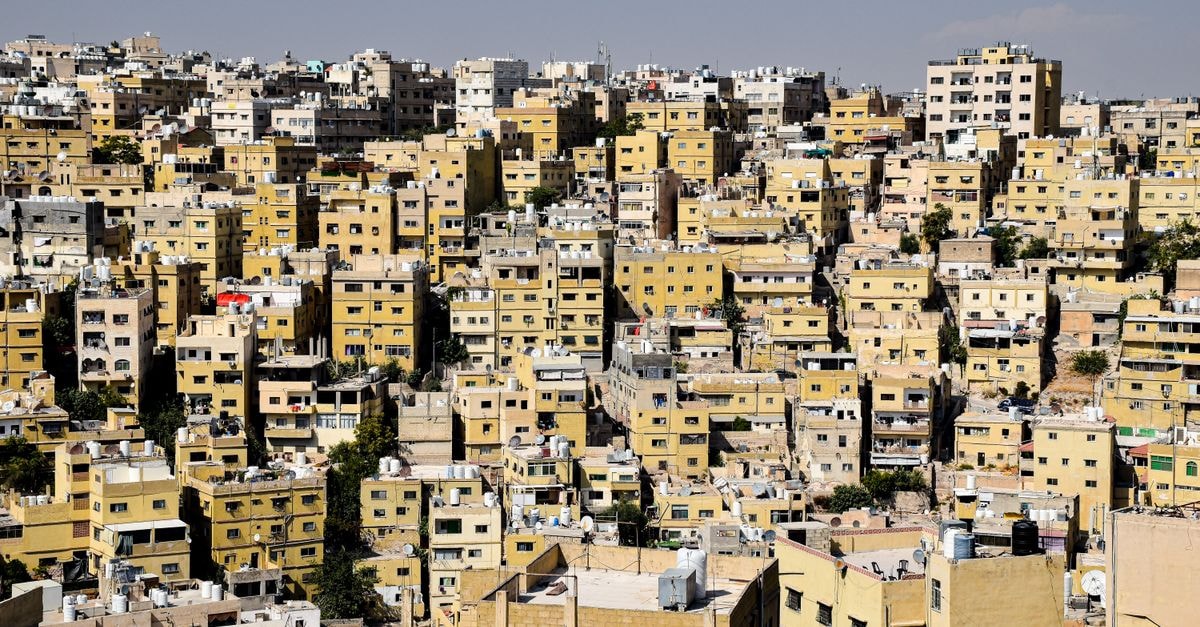
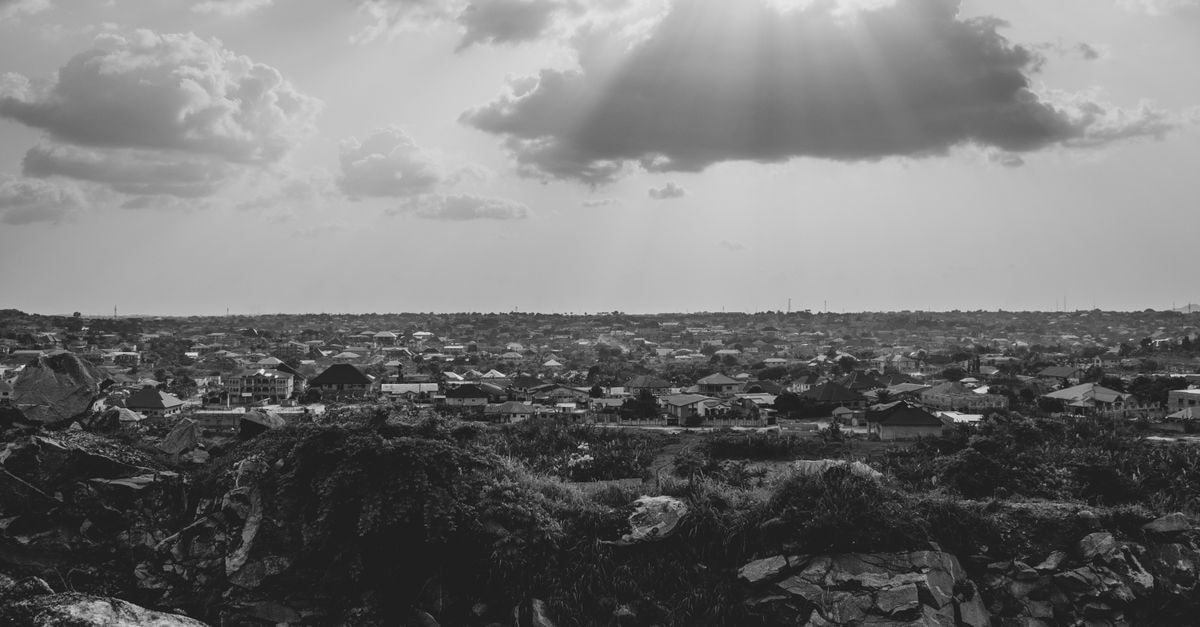
An introduction to Gaalkacyo

There is something quietly compelling about a city that sits at the crossroads of two Somali regions. Gaalkacyo is described as the third-largest city in Somalia and serves as the capital of the north-central Mudug region, a position that gives it both regional weight and a sense of being a meeting point for different communities of the Somali interior. For travelers who like places with a real administrative pulse rather than a purely tourist-facing identity, that dual character is part of the appeal.
Because Gaalkacyo is far from the coastal highlights that often dominate Somalia imagery, a visit here tends to feel local and unhurried. The city is best approached as a stop for travelers interested in regional Somali life, heritage, and the everyday rhythm of Mudug, rather than as a checklist of polished attractions. With that framing in mind, the two threads worth pulling on are the small but meaningful heritage stop and the food culture that fills the day around it.
Attractions and planning
The clearest cultural anchor in Gaalkacyo is the Gaalkacyo Museum. It is the kind of place that rewards visitors who arrive with a little patience and an interest in regional history, because the experience is more about context than about a long checklist of objects. The information available suggests that the most comfortable window to plan a museum visit falls during the dry season from November to March, when conditions underfoot and the general ease of moving around the city are more forgiving. Travelers sensitive to heat or muddy streets may therefore want to time this stop to that drier stretch of the year if their schedule allows, while others who are happy to simply wander in may still find the museum a worthwhile pause in their day.
A few practical points are worth keeping in mind. The museum is the city's named heritage site, so it can be folded into a broader day of walking rather than treated as a half-day excursion on its own. Travelers who prefer slow, place-based sightseeing over a packed itinerary will likely get the most out of the visit, since the value here lies in spending a little extra time with the displays rather than racing through. It is also sensible to confirm current opening arrangements locally before heading over, as smaller regional museums in Somalia can have informal hours that shift with the season or local circumstances.
For anyone building a wider Somalia trip, it is worth remembering that the country as a whole has its own set of memorial landmarks. Somali heritage sites such as the Somali Youth League Memorial, the Dhagaxtuur Obelisk, and the Monument to the Unknown Soldier sit within Somalia's broader cultural landscape that visitors may encounter while traveling, and they are a useful reminder that Somali memorial culture extends well beyond any single city. In Gaalkacyo itself, however, the museum remains the clearest focal point for a heritage-minded stop.
Food and local context
Food in the city is one of the most direct ways to read the rhythm of Gaalkacyo, and the local menu is shaped by the pastoral and grain traditions of the Mudug region. Two staples come up again and again when describing what people eat here, and both are easy to build a day around.
The first is Hilib Ari, grilled goat meat served with rice. It is the kind of dish that defines a Somali lunch or dinner in this part of the country: the goat is grilled, the rice is plain and steady beneath it, and the whole plate is built to satisfy after a long day in the dry air. Travelers who enjoy straightforward, grilled meat dishes over rice will likely find Hilib Ari an easy favorite, and it is a good anchor for anyone who wants to try a single signature local plate rather than sampling widely. Because it is so central to the Gaalkacyo menu, it is often the safest choice for visitors who are unsure what to order.
The second is Muufo, a flatbread made from cornmeal or wheat flour. Muufo works as the everyday companion to almost everything else on the table. It is the bread that turns a plate of grilled meat or a simple stew into a full meal, and it is common across Somali homes and eateries. Travelers who prefer to graze through the day, picking at bread alongside smaller portions of meat or sauce, will find Muufo especially useful. It is also a good entry point for visitors who are not used to heavier grilled dishes and want something gentle and familiar alongside their main plate.
Looking at the wider Somali food picture, grilled goat with rice and a sturdy flatbread sit comfortably within a national tradition of meat-and-grain meals that travelers will encounter across the country. That wider context is useful to keep in mind when eating in Gaalkacyo, because the dishes here echo patterns found elsewhere in Somalia rather than standing as isolated local oddities. Recognizing those parallels can make the city feel less foreign, even for visitors who are tasting Somali food for the first time.
For travelers who like to match food to mood, the practical takeaway is simple. If you want a single defining dish, start with Hilib Ari. If you want a flexible base that goes with almost anything, keep an eye out for fresh Muufo. Both are part of the everyday food culture of Gaalkacyo and the surrounding area, and together they give a clear, honest picture of how people in Mudug actually eat.
Choosing what fits the trip
Because Gaalkacyo offers a small set of clear anchors rather than a long list of sights, the best way to plan is to match your interests to a few honest choices. Travelers who care most about heritage and context may want to give the museum the calm, generous visit it rewards, ideally timed within the November to March stretch that suits it best. Travelers whose priority is food and everyday culture will get a lot from focusing on Hilib Ari and Muufo, treating those two staples as the backbone of their meals rather than chasing a wider menu. Those who like slow, place-based days will probably enjoy Gaalkacyo most, while visitors who need a constant stream of big-ticket attractions may find the city quieter than expected and should set their expectations accordingly. The trip suits curiosity about Mudug more than it suits a checklist approach.
A note before you go
Conditions on the ground in any Somali city can shift over time, and details such as museum hours, local travel arrangements, and the availability of specific dishes can change with the season or local circumstances. It is therefore wise to verify current opening times and access for the Gaalkacyo Museum through local contacts before traveling, and to confirm that the food and daily rhythms described here still match what you will find on arrival. Treat this guide as a starting point for planning rather than a final word, and check official and up-to-date sources as your departure date approaches.
Prices, opening hours, schedules, reservation rules, and local conditions can change; verify them through official channels before departure.
Share this article
TOOLS FOR THIS PLAN
Make the Gaalkacyo plan measurable
Choose a tool only when it answers the next question in your trip. Your values stay in the browser, and each tool offers a route back to this planning context.