Gafsa at a glance

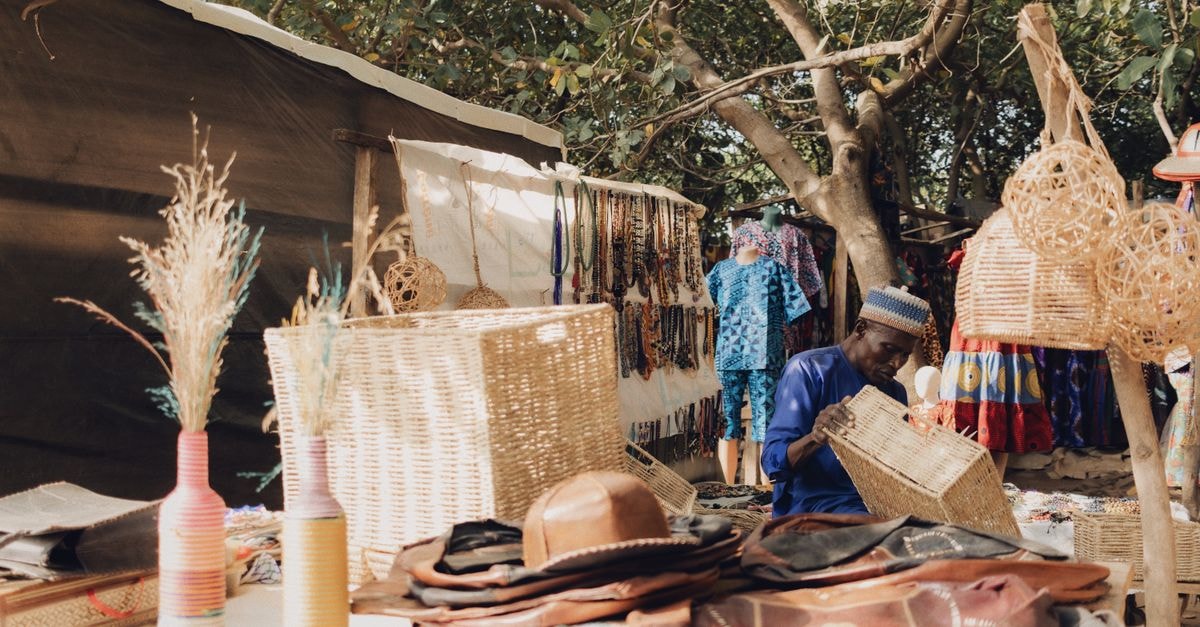
Gafsa sits in central Tunisia, away from the Mediterranean coast and the well-trodden tourist corridors, which is exactly why it rewards a slower kind of traveler. The city carries the texture of inland Tunisia — the kind of place where the smell of bread drifts out of small ovens in the morning and the pace of the day is shaped more by the call to prayer than by a sightseeing checklist. It is the kind of stop that suits travelers who are interested in everyday Tunisian life rather than headline landmarks, and who like to weave food, heritage and landscape into a single visit.
If your travel taste runs toward places where you can settle into local rhythms, eat well and let the city unfold around you, Gafsa may suit you far better than a rushed stopover. Consider pairing it with quieter travel days rather than a packed itinerary, since the joy here is in the texture of the place rather than a roster of set pieces.
Getting around
Gafsa is the kind of city where arrivals matter, and the two practical entry points are straightforward. Tunisair operates domestic flights to and from Gafsa-Ksar airport, which makes the city reachable from Tunis without a long overland journey — useful if you prefer to keep transfer times short and arrive fresh. If you prefer a more scenic overland approach, the SNTRI bus line between Tunis and Tozeur stops at Gafsa and runs multiple times daily in both directions, threading through central Tunisia and giving you a window onto the changing landscape.
Travelers who dislike the formality of airports may prefer the bus option, since the SNTRI service runs frequently and links the city to both the capital and the southern oasis towns. If you are the kind of visitor who likes to watch the country roll by from a comfortable coach, the Tunis–Tozeur corridor is worth considering for at least one leg of your trip.
Attractions and planning
Gafsa is consistently framed as a destination with a meaningful list of places to explore. Local travel writing points to the top 10 attractions to visit in Gafsa and around, organized with general info first and then the attraction list itself, which signals that the city is best approached as a small collection of sites rather than a single monument. The way the attractions are presented — a numbered top 10 with introductory context — also suggests that visitors benefit from doing a little reading before arriving, so that they can prioritize what matters most to them rather than trying to cover everything in one pass.
Because the attraction guidance arrives as a curated list rather than a single must-see, this is a city that may suit travelers who enjoy light planning: read through the top 10, pick a handful that genuinely interest you, and leave room for serendipity. Consider mapping out roughly which sites cluster together so you can group nearby stops and avoid zig-zagging across the city. If you dislike rushed sightseeing, you may want to focus on three or four highlights rather than attempting all ten, especially since Gafsa rewards lingering in its streets and squares as much as its named sights.
Food and local context
Food is one of the most inviting ways into Gafsa. The city is described as a hidden gem in central Tunisia where the aroma of freshly baked bread and everyday street sounds signal that you have arrived somewhere distinctly local. That sensory framing matters for travelers: in Gafsa, eating is not a separate activity from sightseeing, it is woven into the rhythm of the day, from a warm flatbread at a neighborhood bakery to a slow plate of something more substantial later on.
The culinary landscape in Gafsa is rich with traditional dishes that reflect its Berber and Arab heritage, and the city offers typical Tunisian cuisine with local variations. That last point is worth holding onto when you eat here: the foundations are familiar Tunisian flavors, but the specific preparations and ingredient choices tend to bend toward central-Tunisian and Berber traditions rather than the coastal style you may know from other parts of the country. Visitors who are curious about regional food cultures rather than only generic "Tunisian" staples will likely find this layer especially rewarding.
Wider Tunisia context that visitors may encounter while in Gafsa: across the country, mealtimes tend to be social and unhurried, bread is a near-constant presence on the table, and dishes are often built around grains, legumes, lamb and olive oil. This is the backdrop against which Gafsa's local variations sit, and it helps frame why the city feels different from coastal Tunisia even though it shares the same national cuisine at its root. If you are a traveler who chooses destinations partly by what you want to eat, Gafsa's Berber-and-Arab heritage and its local variations are a genuine draw, not just a marketing line.
Choosing what fits your trip
A few grounded tradeoffs are worth thinking through before you arrive. If you want to minimize travel fatigue, the Tunisair domestic flight into Gafsa-Ksar keeps the journey short, while the SNTRI bus adds landscape and a sense of crossing central Tunisia at the cost of several hours on the road. For sightseeing, the top 10 list gives you flexibility to lean in or pare back: cover a few highlights deeply rather than rushing through all of them, especially if you prefer slow travel over checklist travel. For food, lean into the local Berber and Arab heritage framing rather than expecting the same coastal-Tunisian menus you may have seen elsewhere, and let the city's typical Tunisian cuisine with local variations guide where and what you eat.
A few things worth verifying before you go
Even the most carefully written guide cannot replace a live check on the basics. Before you travel, confirm the current Tunisair schedule into Gafsa-Ksar airport and the latest SNTRI departure times along the Tunis–Tozeur corridor, since domestic flight frequencies and bus timetables can shift. It is also worth checking current opening arrangements for any of the top 10 attractions you plan to prioritize, as hours and access conditions can change. Official transport and tourism channels are the most reliable source for these live details, and a quick check before departure helps your plans match the city as it actually is on the day you arrive.
*Factual travel conditions can change, so verify transport schedules, attraction access and local services through official channels before departure.*
Share this article
TOOLS FOR THIS PLAN
Make the Gafsa plan measurable
Choose a tool only when it answers the next question in your trip. Your values stay in the browser, and each tool offers a route back to this planning context.