An Opening Sketch of the City

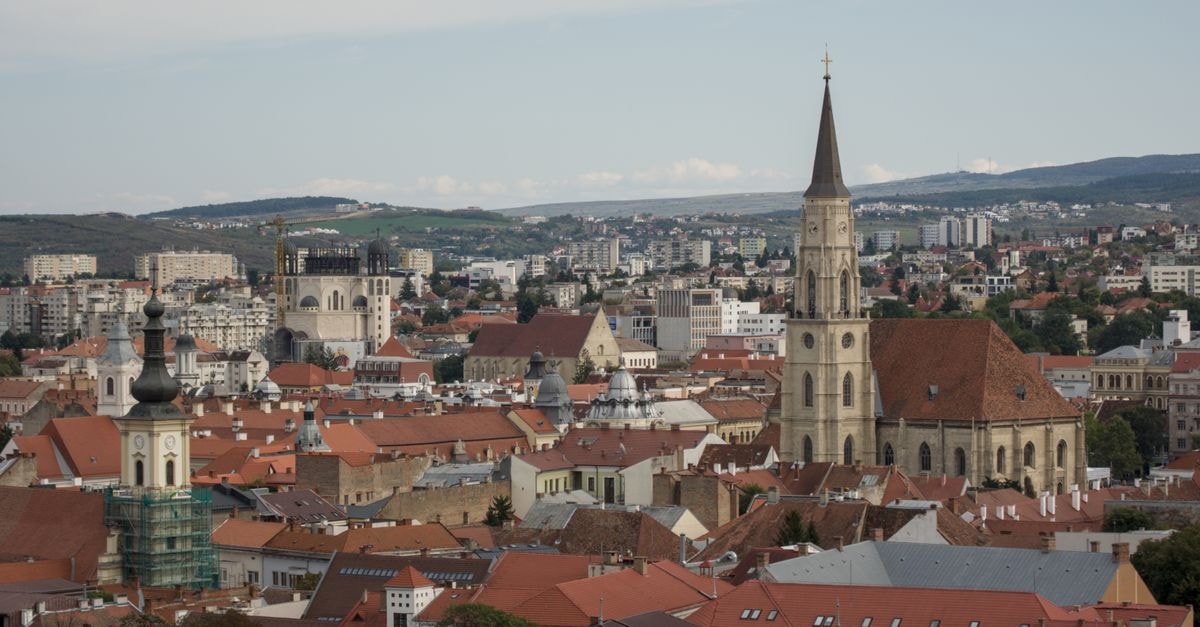
There is a particular kind of quiet that settles over Gdansk in the early hours, the kind that invites unhurried exploration. Tucked along the Baltic coast in northern Poland, the city reveals itself in layers: a meticulously rebuilt Old Town, a working waterfront lined with shipping cranes, and a long, walkable Royal Way that ties the whole story together. For travelers who prefer wandering to rushing, Gdansk rewards a relaxed pace, with its compact historic center, atmospheric lanes, and a food culture that leans into both heritage recipes and international touches.
This guide is built for visitors who want to move through the city with confidence. It leans on a few practical themes: how to navigate the public transport network, what kind of attractions to anchor a visit around, and the culinary map that unfolds once you step off the main drag.
Getting Around
Gdansk's appeal begins with how approachable it is on foot, but the city's public transport system plays an important supporting role for anyone venturing beyond the historic core. Public transport here is well-established, and getting comfortable with it early in a trip pays dividends throughout the visit. Rather than treating transit as a chore, it is worth embracing the system as part of the travel experience: trams rattle past restored townhouses, buses thread through leafy suburbs, and the network reaches the airport and the outlying districts. Travelers who take a little time to learn the basics of how the system operates find that the rest of the trip becomes noticeably smoother, leaving more mental space to soak in the history and culture on either side of the journey.
Reaching the city by air is the most common entry point for international visitors, and the airport is connected to the wider transport network. While the specific route choices and timings can change, the broader takeaway is simple: travelers landing at the airport have a clear onward path into the city. Anyone with a preference for rail can also connect via Gdansk's main station, which sits within easy reach of the historic center.
One last note: walking distances in the Old Town are shorter than they appear on the map, so it is worth checking the route on foot before defaulting to a tram. The riverfront and the green spaces around it are particularly inviting on foot, offering a different view of the city than the cobbled main streets.
Attractions and Planning
Gdansk is widely described as a city of striking contrasts, where intimate lanes open suddenly onto vast squares and medieval churches rise against the skyline. The catalog of things to see spans historical architecture, avant-garde museums, medieval churches, and unexpected gastronomic spaces, which means a visit can be shaped to almost any interest.
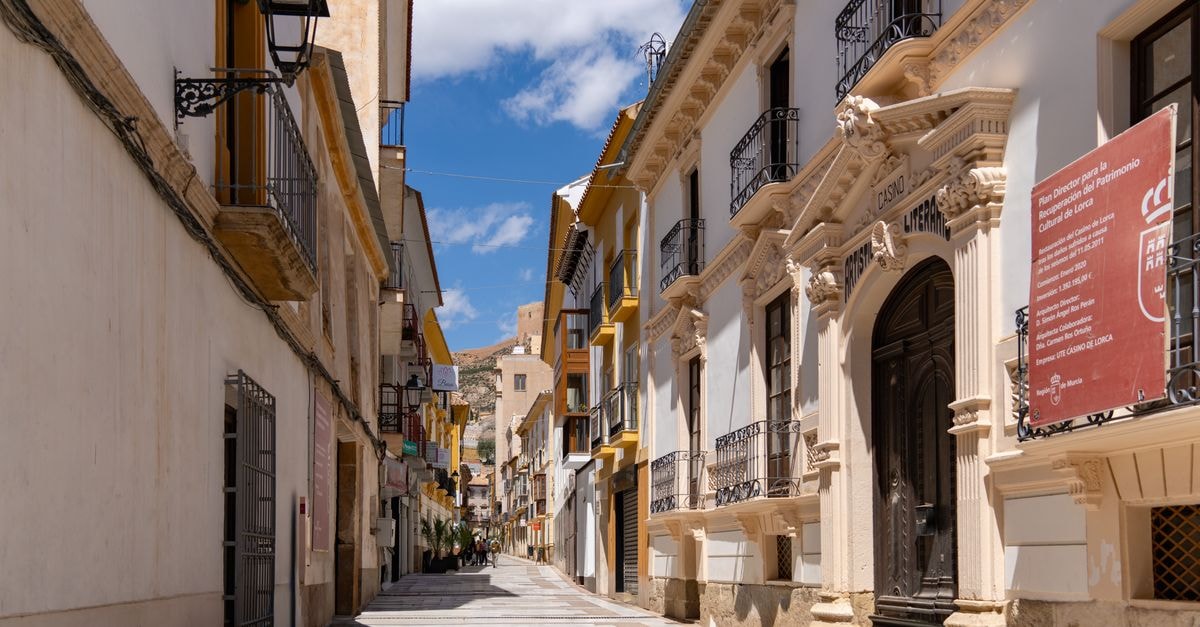
The most photographed street in the city is often highlighted as a starting point for first-time visitors. The dramatic shift from a narrow, human-scaled lane to the towering facade of a major church creates what many consider the most visually arresting finale in the Old Town. Photographers and casual strollers alike tend to pause here, and it is easy to see why: the street itself feels like a stage set, with the church providing the curtain call. Beyond this celebrated street, the broader Old Town unfolds in a sequence of brick warehouses, gabled townhouses, and quiet courtyards that reward aimless wandering.
When planning a visit, it helps to group attractions by district. The Main Town, with its reconstructed facades and lively market halls, can easily fill a full day on foot. The riverfront and the island just across the bridge invite a slower half-day, mixing outdoor walking with a museum stop or two. Travelers with a second or third day can step further out, using public transport to reach neighborhoods that feel distinctly local, where cafes and small galleries cluster around residential squares.
Food and Local Context
Food is one of the most rewarding ways to understand Gdansk. The culinary map of the city is layered: familiar Polish staples sit alongside international kitchens, and visitors can wander between a traditional milk bar, a modern bistro, and a street food stall within the same afternoon. The city supports a wide range of cuisines that reflect its long trading history, and one notable stop is Fellini, an Italian restaurant described in local guides as a unique culinary experience aimed at satisfying even the most sophisticated gourmets.
Gdansk's culinary identity has deep roots. Much of the traditional food culture developed around the needs of sailors heading out on long voyages, with preserved ingredients forming the backbone of many classic recipes. Dishes that could survive a three-month journey to the Dutch ports shaped the local pantry for centuries, and that heritage still shows up on menus today. Travelers who enjoy tracing the story behind a dish will find that the link between the harbor and the kitchen is rarely far from the surface.
One small but evocative detail: the light inside Gdansk's milk bar dining rooms often catches the eye before the food does. There is a particular warmth to these spaces, where sunlight bounces off decorative details and the polished surfaces of long-established interiors, and pierogi arrive looking almost gilded in the glow. It is the kind of atmospheric detail that turns a quick lunch into a small memory. The city's dessert culture also nods to its most famous export, with signature versions referencing the amber that the region is known for, from milk-based creations to lemon spaetzle and strawberry interpretations.
A Short Closing Thought
Gdansk is the kind of city that grows on travelers the longer they stay. The first day often feels like orientation, with the dramatic main sights setting the tone. By the second day, the smaller details start to surface: the quiet courtyards, the riverside walking paths, the milk bar where the regulars nod you through the door. The practical anchors of public transport, a walkable historic center, and a varied food scene give the visit a comfortable shape, and they leave plenty of room for the kind of slow exploration that the city seems to invite.
A final reminder before you set off: travel conditions can change without notice. Transit routes, attraction opening arrangements, and dining options evolve over time, so it is always worth checking official channels shortly before departure for the latest information.
Share this article
TOOLS FOR THIS PLAN
Make the Gdansk plan measurable
Choose a tool only when it answers the next question in your trip. Your values stay in the browser, and each tool offers a route back to this planning context.