An hour above the plains

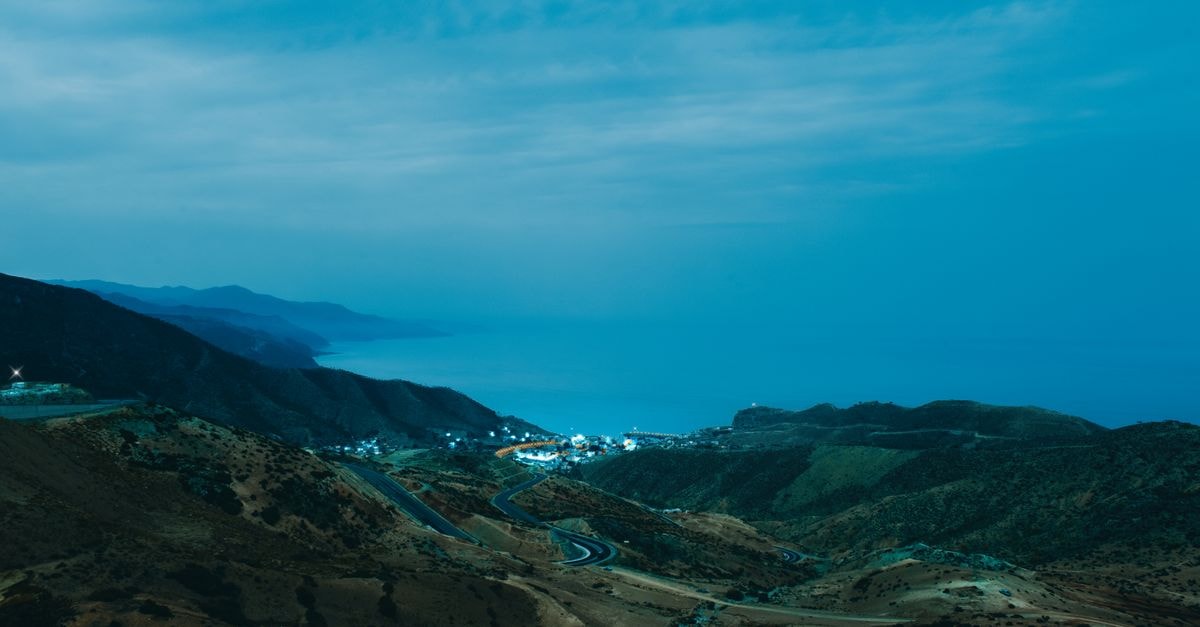
Tucked into the western highlands of Libya, Gharyan sits where the rocky slopes of the Jebel Nafusa begin to rise out of the coastal plain. The town has long served as a gateway between the Mediterranean coast and the mountain plateau to the south, and travelers approaching by road can sense the shift in altitude as the road begins to climb. The reward for that climb is a quieter pace, cooler breezes, and a townscape shaped by stone and tradition rather than by traffic.
What makes Gharyan feel different from many other Libyan towns is a simple architectural curiosity: underground houses carved into the rock. For visitors planning a Libyan itinerary, this is the kind of detail that turns a waypoint into a destination.
A climate shaped by altitude
Gharyan's setting in the highlands gives it a noticeably different feel from the coast. Stone architecture, cave dwellings, and a built environment that breathes with the seasons all speak to a town designed around shifting daily temperatures. Evenings can bring a cool mountain air that slips through the stonework, a small pleasure that visitors tend to remember long after the trip. For travelers who prefer destinations where the day can begin in bright sun and end in a sweater, a mountain town like this tends to fit that rhythm naturally.
Because Gharyan sits above the plain, it is worth thinking about layering rather than packing only for heat. Lightweight clothing for daytime, plus a warmer layer for the evening, tends to suit the typical mountain-town pattern. Travelers sensitive to temperature swings may want to plan active outdoor time for the cooler parts of the day and save slower moments, such as long meals or reading in a stone courtyard, for the warmer afternoon.
Getting to and around Gharyan
Reaching Gharyan today is essentially a road question. The local rail network has been non-functional since 1965, and no specific lines or stations serve the town, which means there is no expectation of arriving by train or using rail for local movement. Consequently, road access is the only practical option for visitors.
In practical terms, this shapes a trip to Gharyan in a few ways. Travelers typically arrive by car or by arranged road transfer from a larger Libyan hub, and getting around the town itself is best handled on foot once you have settled in. A base in or near the old quarter makes it easier to wander between the underground houses, small lanes, and viewpoints without having to think about logistics at every turn.
For travelers who like independent, vehicle-based exploration, the road-only nature of Gharyan is worth planning around in advance: arrange reliable transport before arriving, confirm road conditions with a trusted local contact, and build flexibility into the schedule. Visitors who prefer cities with multiple transport layers and frequent scheduled services may find the simplicity of a small mountain town either refreshing or a constraint, depending on their style.
The underground houses
The single experience that defines a visit to Gharyan is the underground housing. The underground houses in Gharyan are unlike anything most children (or adults) have ever seen, a statement that holds true whether you arrive with a long mental list of Libyan landmarks or none at all. These are not cellars or basements but full living spaces dug into the rock, often arranged around internal courtyards that let in light while keeping the rooms cool.
Wandering between these dwellings, with their thick stone walls and naturally shaded interiors, gives a sense of how the town's residents adapted to the mountain environment over generations. Photographers tend to be drawn to the play of light in the courtyards and the worn steps that connect one level to another. For travelers interested in vernacular architecture, building traditions, or simply places that feel genuinely distinct, this is the core of a Gharyan visit.
A few practical points help when planning time around the underground houses:
- Wear comfortable shoes with grip. Stone steps and uneven surfaces are part of the experience, and footwear suited to a historic site rather than a smooth museum floor makes a real difference. - Allow unhurried time. The houses reward slow exploration, and rushing through them tends to flatten the sense of discovery. - Bring a light layer. The same stone walls that keep the houses cool in summer can make them feel chilly in cooler weather, especially after sunset. - Pair the visit with a walk through the old quarter above, so the underground spaces feel connected to the town rather than a separate attraction.
Staying in stone
The most distinctive place to sleep in Gharyan is part of the same story as the underground houses. The old quarter is home to cave-style guesthouses where rooms are set into the rock, offering an experience that doubles as accommodation and as a continuation of the town's architectural heritage. Evenings here tend to settle into a calm rhythm, with cool mountain air moving through stone vents and a quiet that feels far removed from the larger Libyan cities.
A few habits tend to make the stay more comfortable:
- Pack warmer sleepwear or a thick pair of socks. Stone rooms, while atmospheric, can feel cooler at night than a standard hotel. - Treat the guesthouse as part of the sightseeing. The textures, the quiet, and the way light moves through the spaces are all part of why travelers choose to stay here. - Confirm in advance what is provided, from hot water to Wi-Fi, so there are no surprises on arrival.
For travelers who want their lodging to be a highlight rather than just a base, a night or two in the old quarter is a natural fit. Visitors who prefer modern hotel amenities and bright, climate-controlled rooms may find the cave-guesthouse experience charming but worth experiencing with realistic expectations.
Planning your visit
A few practical considerations help a Gharyan trip run smoothly. Because road access is the only realistic way in, plan transport carefully and build in extra time for the drive from the coast or from Tripoli. The town is small enough that one or two full days, plus an evening for the mountain atmosphere, is usually enough to see the underground houses and the old quarter without feeling rushed.
Cash is the practical default across much of Libya, so carrying enough local currency for the duration of the stay is sensible. For travelers who enjoy markets and local food, asking locally about what is in season tends to produce better meals than any preset plan, since Libyan mountain produce changes through the year.
Travelers fitting Gharyan into a broader Libyan journey will find that the town reads best as a contrast piece: a quiet, stone-built mountain town paired with the larger, busier cities along the coast. Coming from Sabratha or Leptis Magna on the coast, the change in pace and scenery is part of the appeal.
What kind of traveler fits Gharyan best
Gharyan tends to suit travelers who value atmosphere and authenticity over a long list of attractions. Independent visitors, photographers interested in vernacular architecture, and anyone curious about how a community shaped its environment over centuries often find the town rewarding. Travelers with mobility limitations may want to plan more carefully around uneven stone surfaces, and visitors expecting the convenience of a large city's transport network may prefer to base themselves partly in a bigger hub and visit Gharyan as a focused excursion. The road-only access and small-town scale are real constraints, but for the right traveler they are part of what makes the place memorable.
Before you go
Conditions in Libya can shift, and details around transport, accommodation availability, and access routes are worth confirming close to your departure through official and trusted local channels. Treat any planning information, including this guide, as a starting point rather than a final answer, and check current advice before setting out.
A short verification note: confirm current road access to Gharyan and the operating status of your chosen guesthouse before travel, as both can change.
Prices, opening hours, schedules, reservation rules, and local conditions can change; verify them through official channels before departure.
Share this article
TOOLS FOR THIS PLAN
Make the Gharyan plan measurable
Choose a tool only when it answers the next question in your trip. Your values stay in the browser, and each tool offers a route back to this planning context.