A city shaped by mountains, movement, and memory
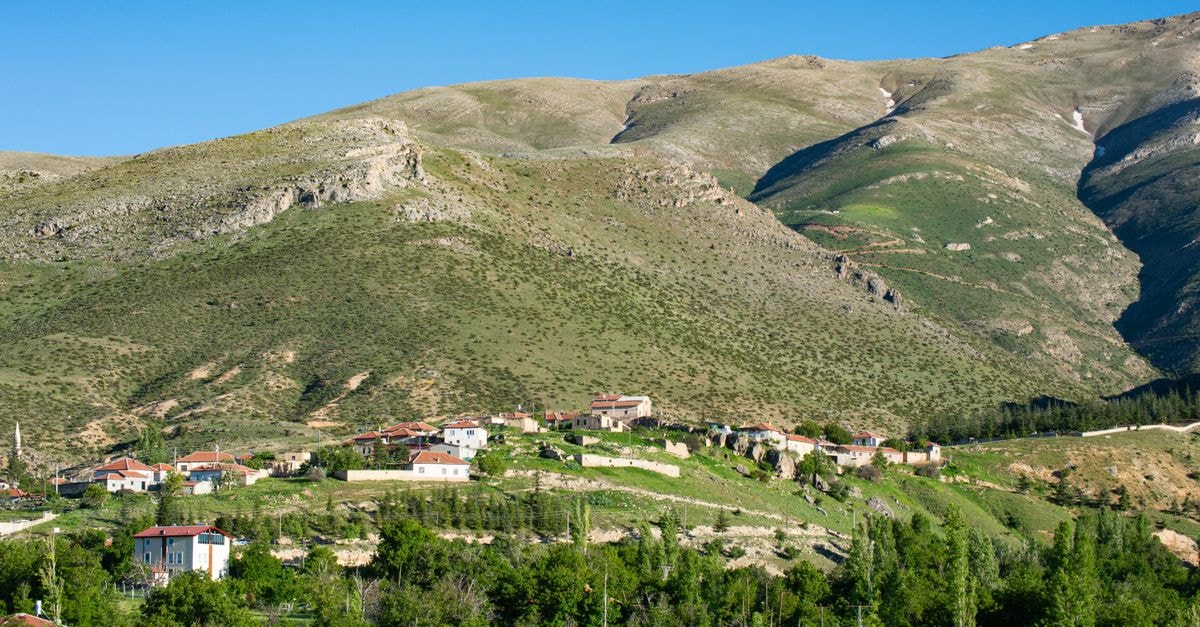
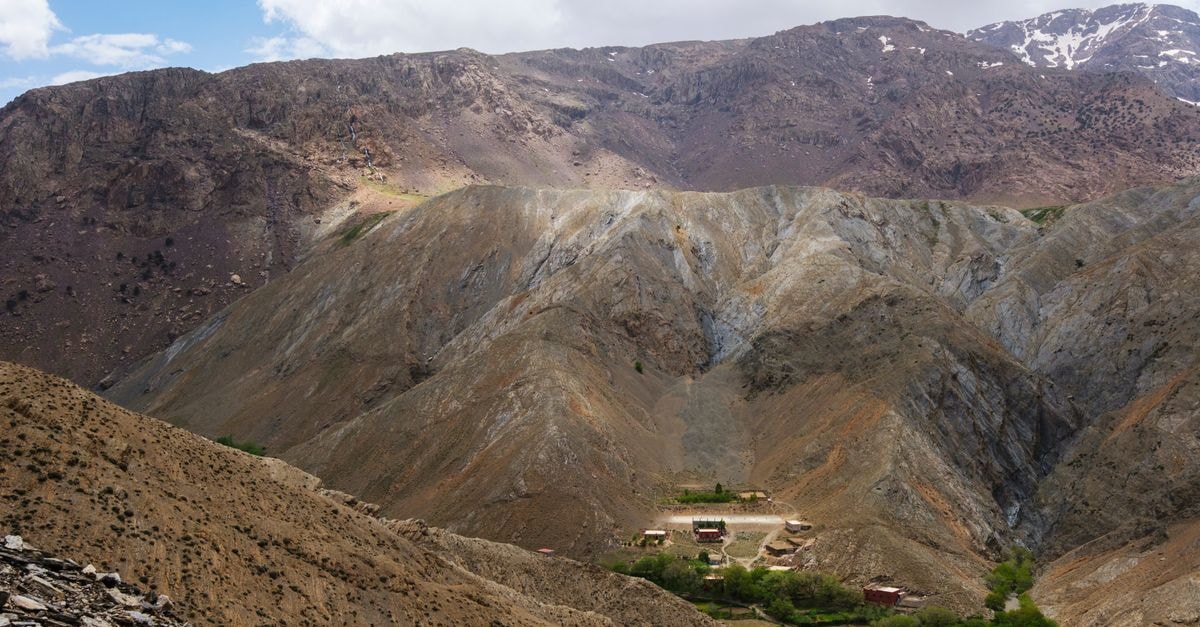
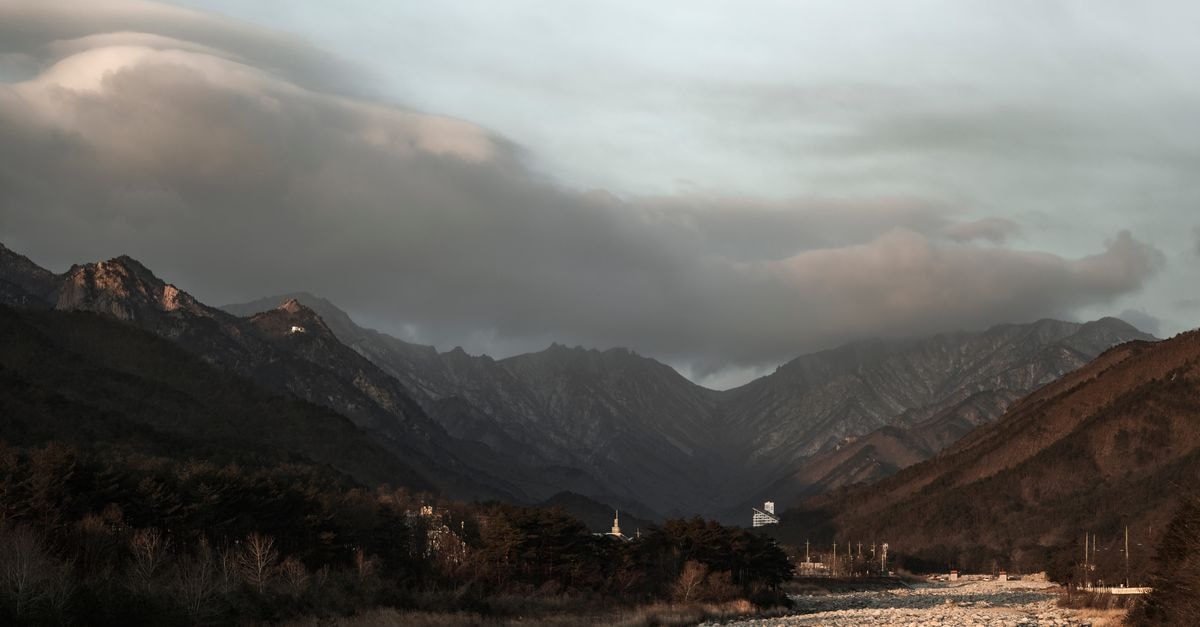
Ghazni rewards travelers who approach it through its history and layered cultural connections. The city lies in a mountainous setting, and its terrain creates distinct microclimates while also offering a form of natural protection that has influenced where people settled. For a visitor, that landscape gives useful context: conditions can vary over short distances, and the surrounding mountains are part of the city’s sense of place rather than merely a backdrop.
The practical focus here is simple. Start with the heritage sites that define Ghazni, then consider how the city’s routes and culinary traditions help explain its wider connections. The information below is designed for visitors seeking a grounded introduction without pretending that a general guide can capture every local detail.
Weather and seasonal context
Ghazni has a transitional climate, sitting between a cold semi-arid climate and a hot-summer humid continental climate. That description is useful background, but it is not a forecast. Because the mountainous terrain creates unique microclimates, weather can feel different from one part of the city to another. If you prefer a travel plan with some flexibility, consider clothing and plans that can accommodate a change in conditions rather than treating a single climate label as a promise about the day.
The mountain setting has also influenced settlement patterns. That makes the landscape relevant for understanding Ghazni’s physical character, while also reminding travelers that practical conditions should be checked close to departure.
Getting around
Travel to Ghazni is often described in terms of connections through larger transport points. From Kabul, travelers are directed to take a minibus or shared taxi from the station where vehicles head toward western and southern Afghanistan. If you are arriving from Kabul, that is the route described in the available travel guidance; confirm the current operating details directly before setting out.
If coming from Kandahar, the route is described as beginning at the Kabul Bus Terminal in Kandahar. This is an important distinction to keep in mind: the terminal name can be confusing when it appears in directions for a journey toward Ghazni. Ask locally or through an official transport channel for the current connection and any transfer arrangements before departure.
Attractions and planning
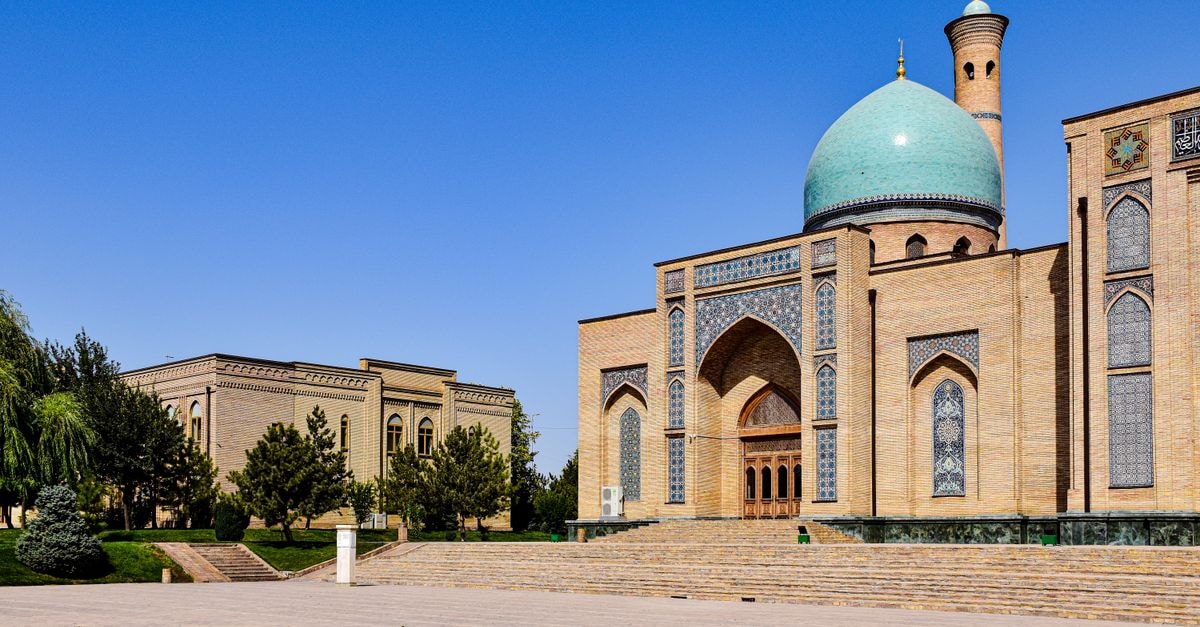
The Ghazni Minarets are the clearest starting point for a heritage visit. They are identified as a UNESCO World Heritage site and one of the city’s must-see attractions. If your interest is architecture and historic places, consider giving them priority when organizing time in the city.
Another central landmark is the Ghazni Citadel, also known as Ghazni Fortress, a historical site in the heart of Ghazni. Its location makes it a natural addition to a city-focused heritage visit, though the available guidance does not provide visiting hours, ticketing, or access arrangements. Check those details through official channels before relying on them.
The city also includes a mausoleum and its surroundings, where visitors can gain insight into the region’s cultural heritage and pay respects to one of Afghanistan’s historical figures. The emphasis here is on both history and respectful engagement. If you prefer a visit that combines a landmark with a moment of reflection, this site may fit your interests. Current access and local visitor guidance should be confirmed before departure.
These sites are best approached as individual places to visit, not as a guaranteed route or fixed itinerary. Allow your plans to reflect current local guidance rather than assuming that every site can be entered or visited in the same way.
Food and local context
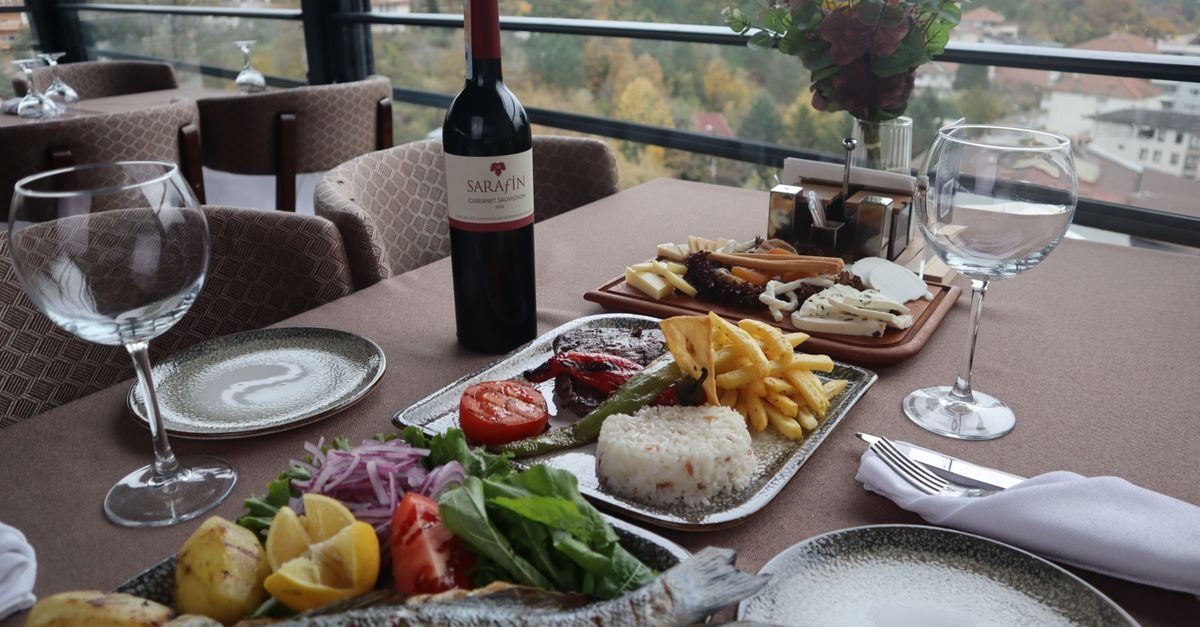
Ghazni’s traditional cuisine reflects the trade routes the city once occupied. Its food has been shaped by connections with South and Central Asia, bringing together spices and cooking techniques from those wider regions. This makes cuisine a useful lens for understanding the city: it speaks to movement, exchange, and the many cultural influences that have passed through Ghazni.
If you enjoy food as a way to explore local history, ask what dishes are being prepared around you and how ingredients are being used. The evidence supports the city’s culinary influences, but it does not identify particular restaurants, menus, markets, prices, or specialties. Those details are best checked locally rather than inferred from the city’s name or general Afghan food traditions.
Choosing what fits your visit
This guide is especially useful for visitors who want a compact set of priorities: the Ghazni Minarets, the central Citadel, and the mausoleum setting. Those places support a heritage-focused approach without requiring assumptions about schedules or access. The city’s trade-route cuisine adds another layer for travelers who prefer food to be part of the cultural story.
Your practical choices will also depend on how you arrive. Travelers coming from Kabul are directed toward a minibus or shared taxi, while those coming from Kandahar are directed to the Kabul Bus Terminal in Kandahar. Since current transport details can change, treat these as route context to verify rather than fixed operating information.
Final verification note
Travel conditions, transport arrangements, and site access can change. Before departure, check official channels and current local guidance for the latest information about visiting Ghazni, including how to reach the city and what applies to the attractions you plan to see.
Share this article
TOOLS FOR THIS PLAN
Make the Ghazni plan measurable
Choose a tool only when it answers the next question in your trip. Your values stay in the browser, and each tool offers a route back to this planning context.