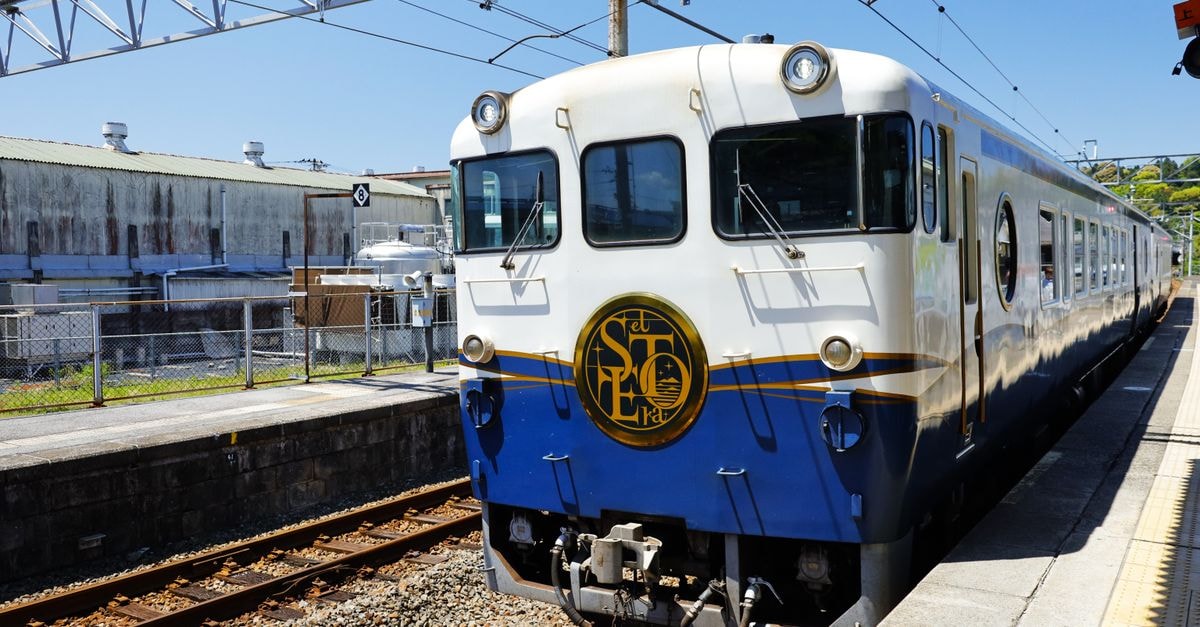
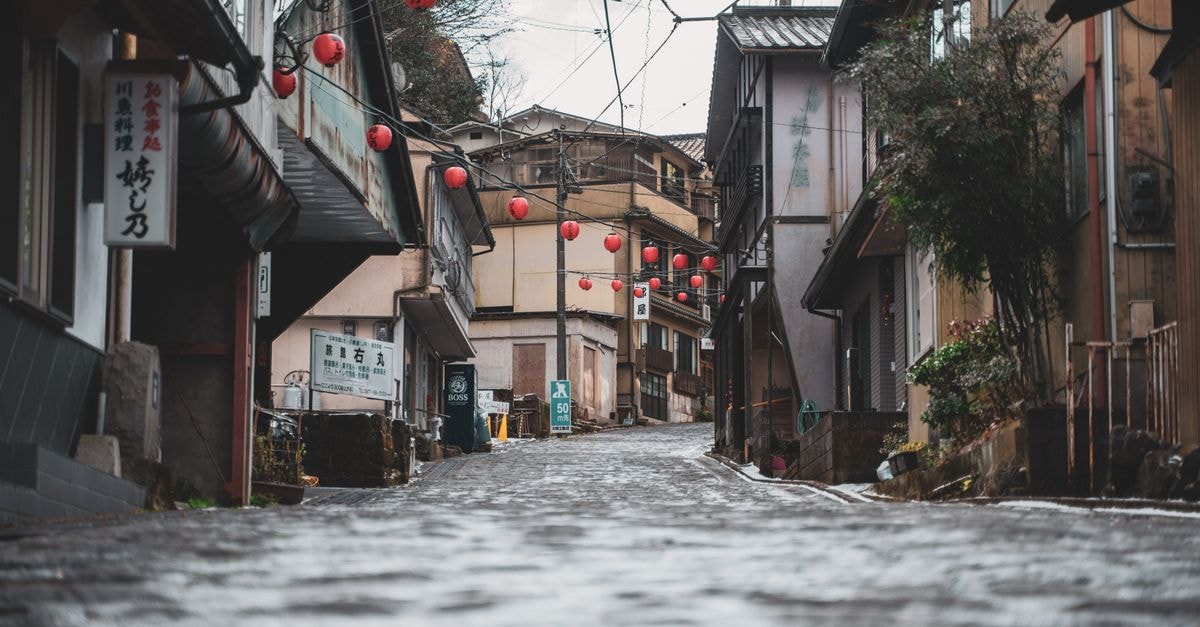
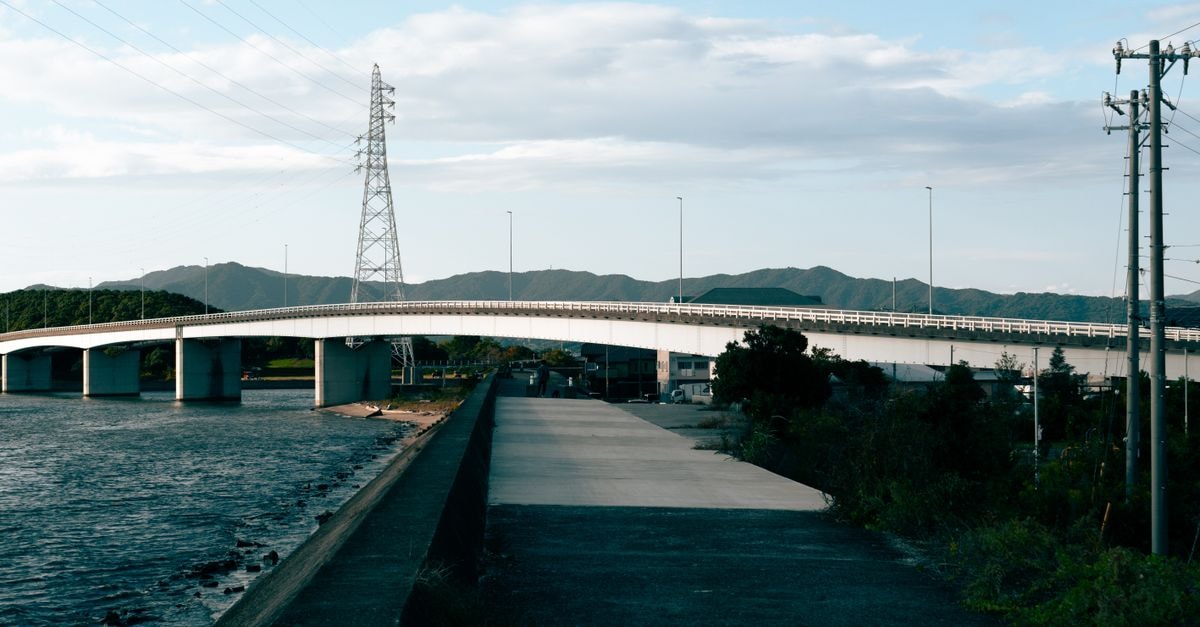
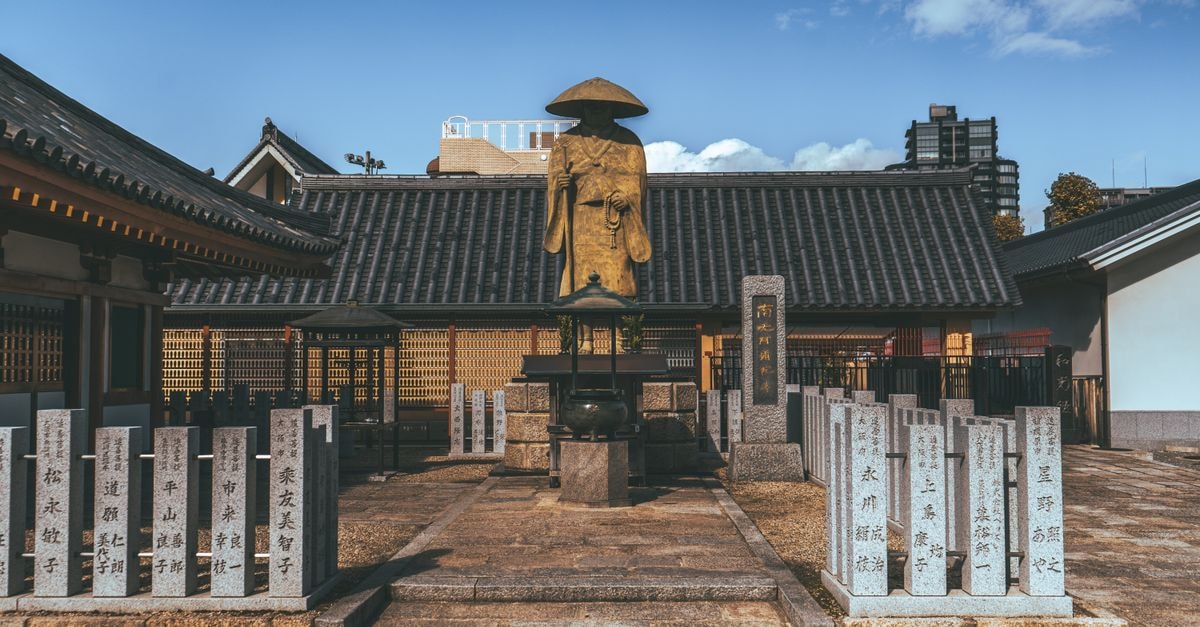
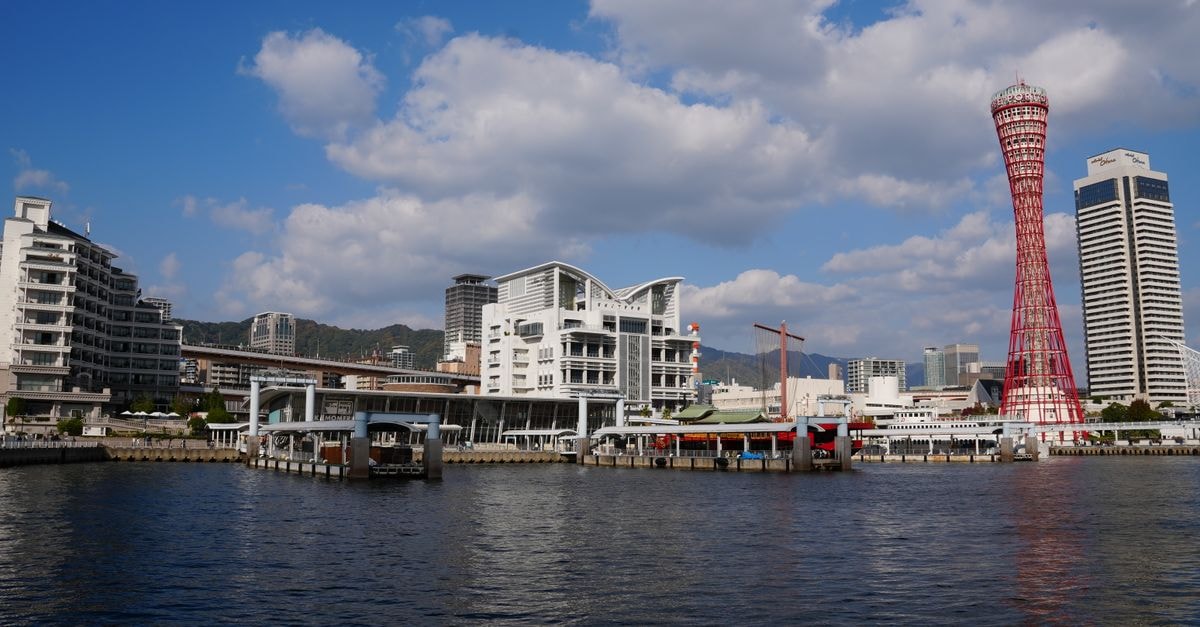
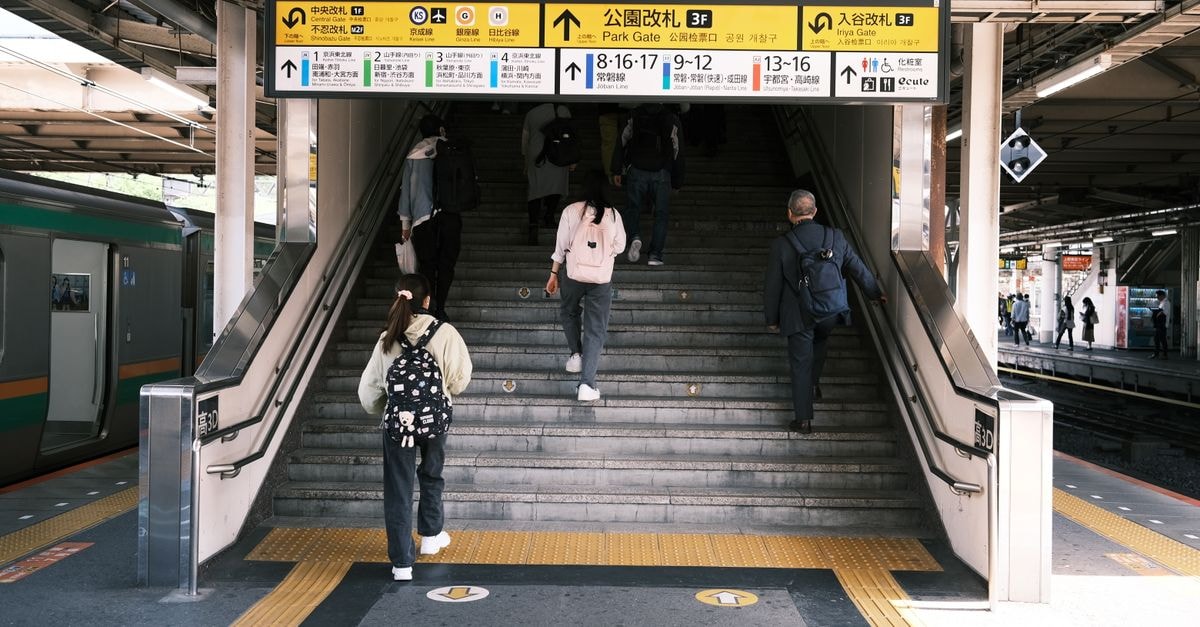
There's a particular pleasure in arriving somewhere that doesn't immediately rush you. Gifu, the capital of Gifu Prefecture, tends to feel that way. It sits along the Nagara River, well placed for travelers who want a base that is more reflective than a megacity, and is easy to reach without much fuss.

This guide is written for travelers who like to slow down, who are curious about stepping a little off the most-trodden paths, and who want a city overview before deciding how deep they want to wander.
Getting to and around Gifu
If you're arriving from elsewhere in Japan, Gifu works well as a stop between bigger hubs. It can suit travelers who want a few days somewhere calmer without going far off the main rail corridors. Chubu International Airport is the nearest airport to Gifu, and the same airport, set in Nagoya, serves the wider region.
For travelers who like to see a place through its quieter corners, Gifu rewards exactly that approach. The capital of Gifu Prefecture has enough depth that you don't need to chase a packed itinerary to feel the shape of it.
Attractions and planning
A local tourism planning service is available for visitors who want help shaping a couple of days in the city, especially useful if you're combining Gifu with surrounding villages, mountains, or craft towns. If you prefer to plan as you go, the compact center still works well on foot.
Consider setting just one or two priorities per day. That pacing tends to suit visitors who want to feel a city rather than simply cover it, and it leaves room for small neighborhood discoveries that often end up being the most memorable parts of a stay.
Food and local context
Eating in Gifu follows the patterns you find across much of Japan: seasonal menus, regional ingredients, and a quiet pride in preparation. While the city has its own culinary identity, you'll also encounter the wider Japanese food culture that shapes menus throughout the country, from careful cooking techniques to an emphasis on fresh, well-balanced ingredients.
For travelers who are curious about regional dishes, asking a local host, hotel staff, or the tourism planning service about what's in season is a reliable way to find what the city does best, rather than guessing from a generic menu.
Choosing what fits the trip
How you shape a few days in Gifu really depends on the kind of pace you want. If you're the sort of traveler who enjoys neighborhood wandering and one or two cultural stops woven into a relaxed day, the compact center gives you everything you need close at hand. If you'd rather use Gifu as a quieter base to reach places deeper in the prefecture, the city's position makes that straightforward without requiring long transfers.
Travelers who want to feel a capital rather than tick off a checklist often find Gifu hits a comfortable middle ground: close enough to be well connected, and calm enough to slow down into. Give yourself an unhurried morning and let the city reveal itself in small pieces.
A few practical notes before you go
Rates, transport timetables, opening hours, and service availability can shift over time, so it's worth checking official sources shortly before you travel. Currency conversion is only a rough reference; check the live rate on the day you exchange money. Conditions on the ground may differ from what any guide, including this one, suggests, and a quick verification with local tourism channels before departure is always a sensible habit.
Share this article
TOOLS FOR THIS PLAN
Make the Gifu plan measurable
Choose a tool only when it answers the next question in your trip. Your values stay in the browser, and each tool offers a route back to this planning context.