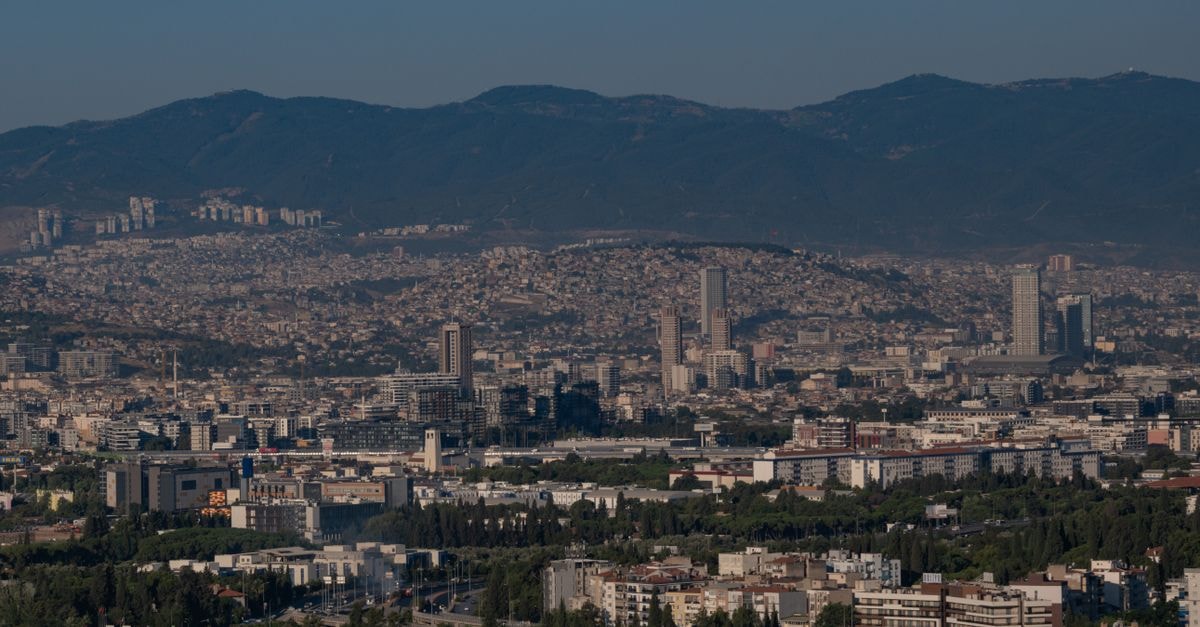
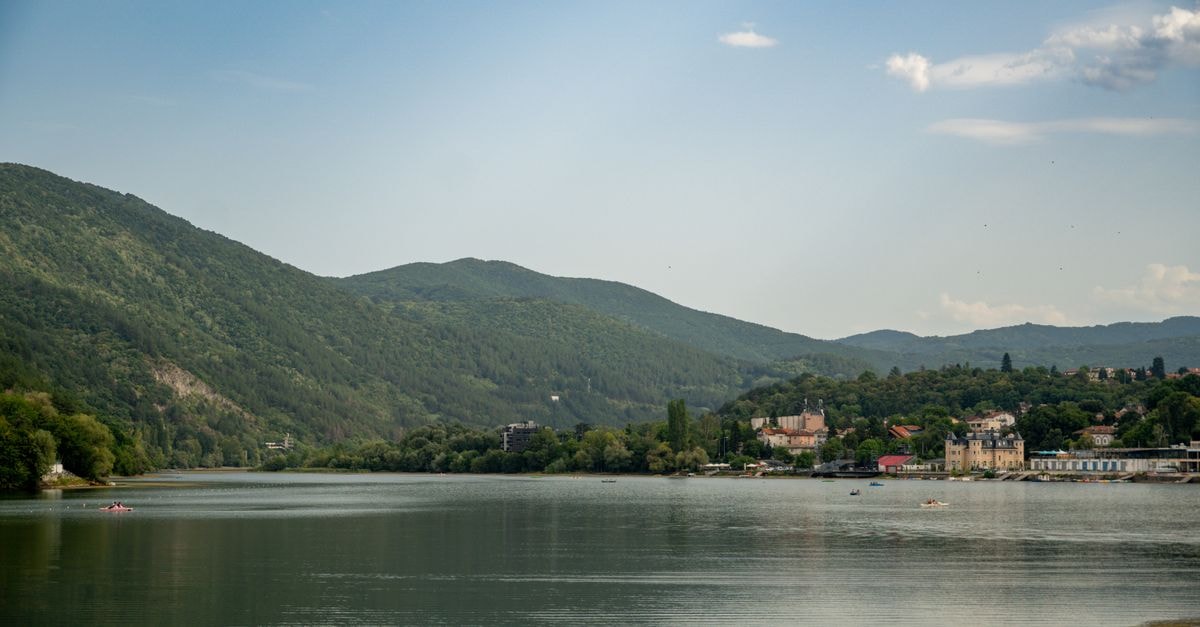
A riverfront pause on the Danube

Giurgiu is the kind of place that rewards travelers who like a slower rhythm. Sitting on the northern bank of the Danube in the historical region of Muntenia, the city looks across the water toward Ruse in Bulgaria, and that single fact quietly shapes most of what a visitor does here. The river is the postcard view, the border-crossing backdrop, and the reason many people stop in the first place.
This is not a destination built around blockbuster sights. Instead, Giurgiu tends to suit travelers who are happy to trade polish for atmosphere: people watching cargo and pleasure boats slide past, strolling through a city-center square with a clock tower standing on old fortress ground, or using the town as a launchpad for nearby natural escapes. The guide below focuses on what is actually supported about the city, so the plan you build feels grounded rather than guessed.
Weather and seasonal context
Because Giurgiu sits in a flat stretch of southern Romania near the Danube, the weather tends to feel open and exposed, with river air moving through the streets. There is no month-specific temperature data in the approved sources, so it is worth treating this section as long-term context only. If you are layering up for a visit, think in seasons rather than exact numbers: summers can feel warm and bright along the waterfront, while shoulder seasons often bring softer light and the kind of cool breeze that makes a riverside walk more comfortable than a midday sprint.
In practical terms, the weather mostly affects pacing. On warmer days, consider anchoring your time around the riverfront in the cooler morning and late afternoon, then retreating indoors for museums and meals in the middle of the day. On cooler or windier days, the historic Clock Tower in the city center, which stands on the site of an old fortress, is an easy, sheltered waypoint to build a walk around. Either way, because this is an evergreen guide rather than a forecast, check a live source before you travel so you can dress for the actual day rather than the average one.
Crossing the river and reaching town
Giurgiu's geography is its travel logistics. The Friendship Bridge carries road traffic across the Danube to Ruse, and for travelers who want a quick international flavor to their trip, it is the obvious detour. The approved guidance is straightforward: if you do cross, check border wait times first, because the bridge can be a working crossing as much as a tourist one, and queues vary.
The broader region around Giurgiu is described in the approved sources as a quieter, more functional area, with a lower cost of living than Romania's capital and a pace that feels less polished than a major tourist hub. For travelers who like that mood, it is genuinely useful context: do not arrive expecting a manicured resort town, and instead expect a working riverside city with easy access to green space and the capital.
Attractions and planning
The headline nature escape associated with Giurgiu is Comana Natural Park, which offers varied landscapes, rich biodiversity, and opportunities for outdoor recreation. For visitors who like birding, easy trails, or simply trading city noise for reeds and woodland, this is the most natural day-shape option in the area. It is also the kind of place that benefits from arriving with a rough plan: know which trailhead or entrance you are aiming for, pack water, and leave time for the slower parts of the walk.
If you are traveling with people who want a little more structure than a wild park, Comana Adventure Park sits within the same broader area and offers diverse outdoor activities positioned for families and adventurers. The approved sources describe it as an active option rather than a passive one, so it suits visitors who are happy to be moving for several hours. As with any outdoor activity, confirm current operating details with the operator before you go.
Back in Giurgiu itself, the city center is small enough to explore on foot. The Clock Tower in the city center, which stands on the site of an old fortress, is the easiest landmark to build a short stroll around, and it pairs well with a slow walk toward the river for views across to Bulgaria. Give yourself a relaxed morning or late-afternoon window for this part of the visit, since the light along the Danube is part of the appeal.
Choosing what fits your trip
Giurgiu rewards a particular kind of plan rather than trying to be everything at once. If your main interest is the Danube itself, prioritize a riverside afternoon, the Clock Tower stop, and the option of a Friendship Bridge crossing into Ruse with border timing checked in advance. If nature and movement are the draw, anchor the trip around Comana Natural Park and Comana Adventure Park, treating the city as a calm base rather than the headline attraction. If you are using Giurgiu as a waypoint between Bulgaria and Bucharest, a private transfer from Giurgiu Port to Bucharest, starting around $82 per adult and varying by group size, is the most concrete transport reference in the approved evidence. None of these shapes are mutually exclusive, and the city is small enough that combining a slow center walk with a half-day in nature is realistic, as long as you leave space for the slower rhythm that defines a visit here.
A note before you go
Conditions on the ground can shift, so verify border wait times, transfer pricing, and any park opening details through official channels before you set out. This guide is built to be evergreen rather than tied to a specific month, and it focuses only on what the approved sources support. Treat it as a starting framework, then confirm the details that matter most to your trip on the day.
Share this article
TOOLS FOR THIS PLAN
Make the Giurgiu plan measurable
Choose a tool only when it answers the next question in your trip. Your values stay in the browser, and each tool offers a route back to this planning context.