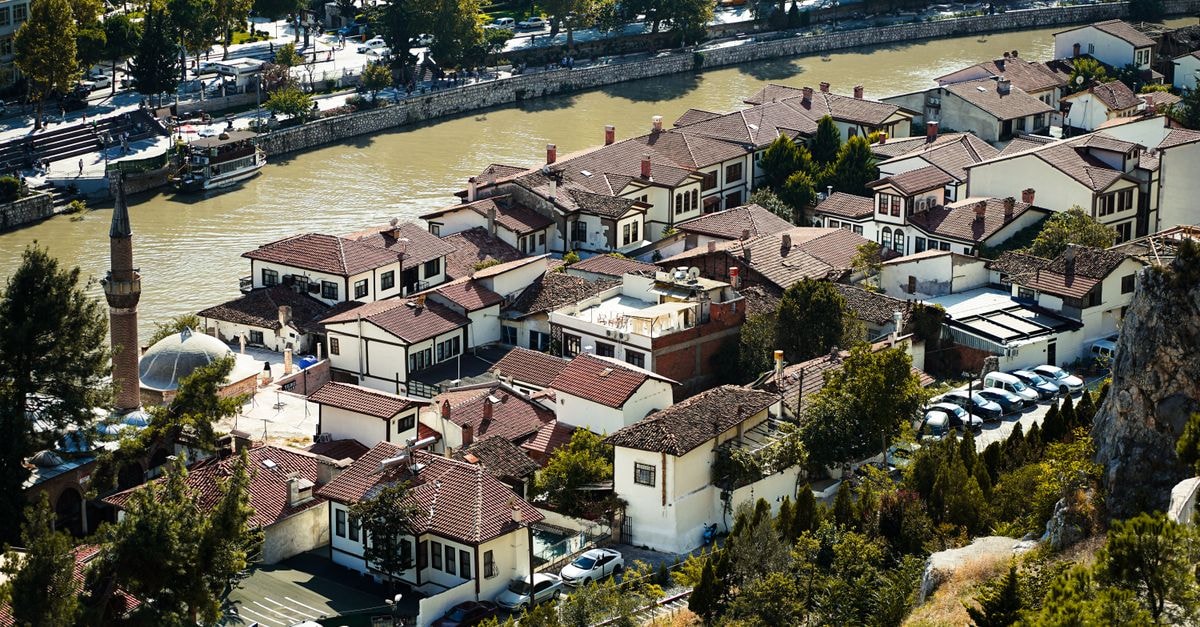
There are cities that earn their reputation in a single grand gesture, and then there is Gjakova, a place whose charm is more about texture than spectacle. Tucked into the western fold of Kosovo, this mid-sized city sits comfortably between the regional anchors of Prizren and Peja, and its rhythm owes as much to the surrounding mountains as to its centuries-old market streets. Travelers who slow down here usually arrive for the bazaar and stay for the evenings, when the cafés fill with students and families and the streets feel unhurried even after dark.

Where Gjakova Sits and How Big It Feels
Gjakova occupies a generous footprint for a city of its size, spread across roughly 91 square kilometers between Prizren to the south and Peja to the north. The wider municipal area reaches out toward the foothills, with hiking trails fanning into the mountains that frame the skyline. Inside that bowl, the city itself holds around 79,000 residents, which gives it a scale that feels lively on foot without ever tipping into overwhelming.
Its position on the map is genuinely convenient for travelers working a Kosovo itinerary. It lies about 92 kilometers from the capital, Prishtina, and roughly 37 kilometers from both Peja and Prizren, which means the city can serve as either a base for exploring the western corridor or a comfortable pause on the way to the Albanian Alps road further afield. For independent travelers who prefer public transport and short hops, those distances translate into manageable day moves rather than long, draining transfers.
An Old Bazaar and a Lived-In Evening
The headline attraction in Gjakova has been the same for a very long time, and it is still the reason most visitors come. The Grand Bazaar is famous for the sheer variety of traditional handicrafts on offer, and strolling its covered lanes is as much about watching the city work as it is about shopping. It is the kind of place where conversation happens as naturally as bargaining, and where a coffee pause between workshops feels like a natural part of the visit.
What catches many first-time visitors off guard is the city's after-hours energy. Evenings here linger. Families and students keep walking the main streets long after sunset, and backpackers tend to feel less conspicuous than in Kosovo's more touristed hubs. Cafés stay open, conversation spills onto the sidewalks, and the whole thing has the easy, unforced feel of a place where people genuinely live in their public space rather than rushing through it. For travelers who love a city with evening texture, Gjakova delivers exactly that kind of atmosphere without requiring a plan.
Getting around on foot is the natural choice once you are in the center. The bazaar, the main squares, and the surrounding neighborhoods are close enough together that a full day of wandering does not demand a taxi. The compact feel of the old town is part of what gives Gjakova its intimate scale, and it is worth leaning into that rather than trying to cover too much ground too quickly.
Setting Up a Gjakova Stop
Because the city works well as a base, it helps to think of a Gjakova stay in two layers: time inside the city itself, and time spent using it as a launch point for the western part of Kosovo. The road links make it easy to head north toward Peja or south toward Prizren on a single day if you want variety, while still pulling back each evening to a town that feels personal and welcoming.
Independent travelers tend to get the most out of Gjakova when they treat it as a place to slow their pace. A morning in the bazaar, an afternoon walking the surrounding hills, and an evening settling into a café is a rhythm that suits the city rather than fighting it. Backpackers in particular will find that Gjakova feels less transient than the capital, with a social life that invites conversation rather than just passing through.
For travelers who plan a longer route, the city's position between Prizren and Peja means that it can be slotted into a western Kosovo loop without complicated logistics. Public transport along this corridor is well established, and the road toward the Albanian Alps is in easy reach for anyone considering a longer push south.
A Note on Practicalities
A few small details help any Gjakova visit feel more settled from the start. Because the city sits in a basin between mountain ranges, daylight hours are when the streets and cafés feel most alive, and cooler evening temperatures often invite longer walks than visitors expect. The area's hiking trails are a natural draw for anyone who wants to break up market time with outdoor movement, and the terrain rewards even short excursions.
Like much of Kosovo, Gjakova works best for travelers who carry a flexible mindset. ATMs and small shops cluster around the city center, the bazaar area is the natural orientation point for first-time visitors, and the locals are generally welcoming to curious guests who take time to look around rather than rush from stop to stop.
Verifying Before You Go
Factual conditions in any travel destination can shift, and Gjakova is no exception. Transport timetables, walking route conditions on the surrounding trails, and the operating hours of bazaar workshops are all worth a quick check before departure. Official tourism channels and recent traveler reports are the most reliable sources for current details, and a short look before you travel can save a lot of improvisation on the ground.
Prices, opening hours, schedules, reservation rules, and local conditions can change; verify them through official channels before departure.
Share this article
TOOLS FOR THIS PLAN
Make the Gjakova plan measurable
Choose a tool only when it answers the next question in your trip. Your values stay in the browser, and each tool offers a route back to this planning context.