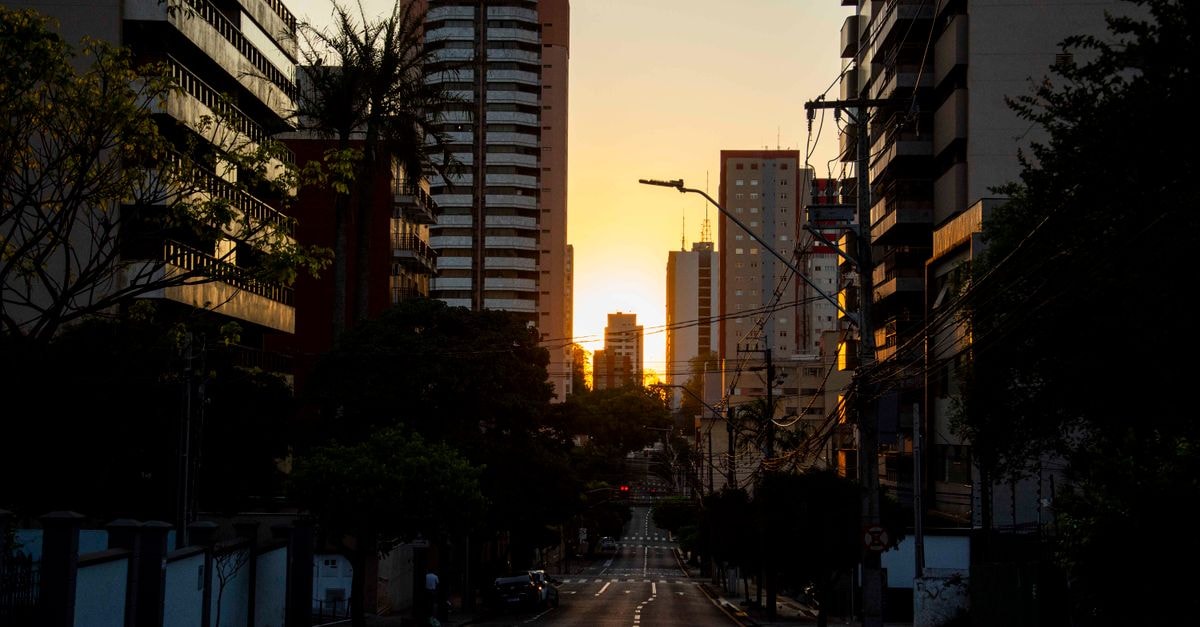
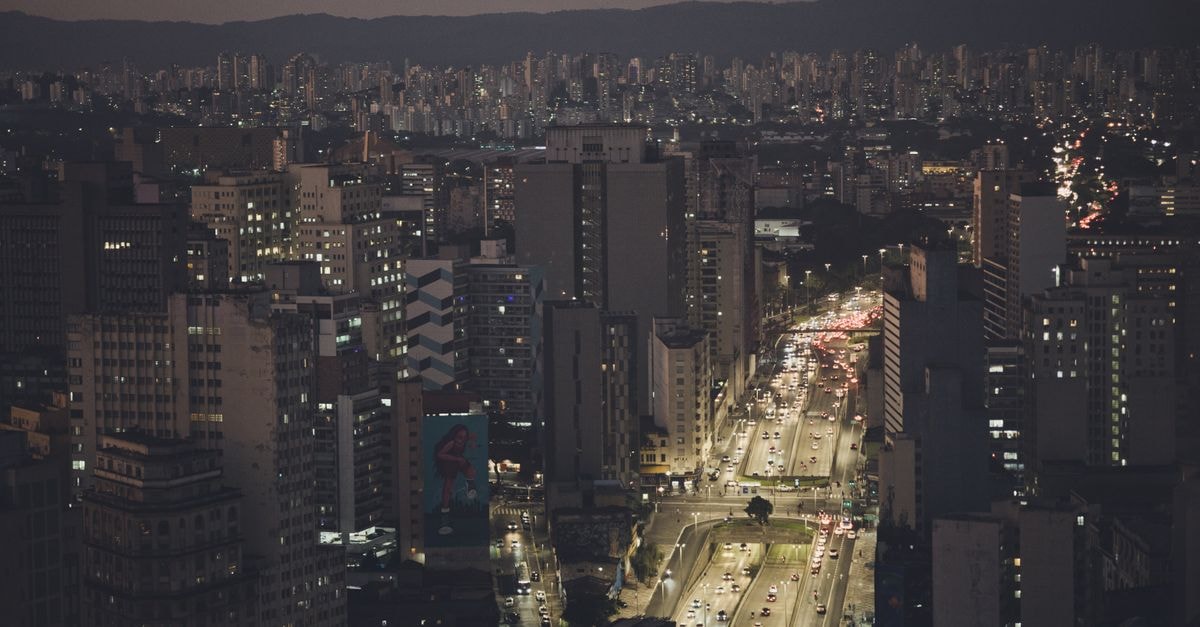
A river city with a granite peak above it

For travelers who like destinations built around a single, very visible landmark, this area reads almost instantly: one signature peak, one signature river, and a culture shaped by Minas Gerais hospitality. What follows is a practical, evergreen look at how to plan a visit without overpromising on details that change from season to season or operator to operator.
Why the landscape pulls travelers in
The single most recognizable feature is Pico da Ibituruna, a prominent granite peak that has become a focal point for outdoor activity in the region. It is widely described as a major spot for hang gliding and paragliding competitions, and pilots from around Brazil are drawn here for the consistent thermals that rise off the rock face. Even for visitors who never strap into a harness, the mountain shapes local identity: it is visible from many neighborhoods, and it gives the skyline its distinctive silhouette.
Below the peak, the Doce River is the other natural anchor. The combination of mountain and river is what makes the surrounding area feel like a small adventure playground rather than a purely urban stop. Travelers looking for an itinerary built around movement, viewpoints, and time outdoors tend to find this landscape compelling; travelers looking for museums, dense historic cores, or beach culture will want to set their expectations accordingly.
A taste of, with wider Brazilian context
Food in the city sits within the wider Minas Gerais culinary tradition, which is widely considered one of the most comforting cuisines in Brazil. That tradition emphasizes hearty, home-style dishes, generous portions, and the kind of warm service that Brazilian visitors often associate with Minas Gerais hospitality. Diners who appreciate slow-cooked staples, fresh cheeses, and unpretentious comfort food will find the local table easy to settle into.
Wider Brazilian dining customs are worth knowing as background, since visitors will encounter them in Minas Gerais too. Dining in Brazil tends to be social and unhurried, with meals often stretching into long conversations, and tipping practices and meal times that follow a recognizable national rhythm. Travelers who understand these broader patterns tend to find restaurant experiences across the country, including in this region, more relaxed and rewarding.
It is also worth noting that the country's cultural conversation about food is broad and ongoing. Brazil's documented culinary traditions include a long list of regional dishes, street foods, and dining customs that reflect the country's geographic and cultural diversity. Approaching Minas Gerais cuisine as one expression of that wider national table, rather than as a single standardized menu, gives travelers a more generous frame for what they will find on local plates.
Weather and seasonal context
For travelers, that means a few evergreen habits tend to serve well here. Plan active outdoor time for the parts of the day when light and energy align, and treat the Doce River and the slopes of Pico da Ibituruna as places where weather, water levels, and thermals can all change the experience. Comfortable shoes, sun protection, and a flexible schedule go further than a packed minute-by-minute plan. Because the evidence here speaks to the activity profile rather than to a specific forecast, treat any detailed weather claim as something to verify with a current source before committing to a particular outing.
Getting around the city and the landscape
Getting around is essentially about connecting the urban core with the area's outdoor sites. The Doce River and Pico da Ibituruna are the two reference points that residents and visitors both orient by, and most travel planning revolves around how to reach them, when to be at them, and how to move between them.
Within the city, distances are manageable enough that travelers can expect a relatively straightforward layout, though specific transit options, timetables, and route details are best confirmed locally before relying on them. For the mountain and the river, having a clear plan for how to arrive at trailheads, launch areas, or river access points tends to matter more than having a long list of stops. The Minas Gerais sense of hospitality described in the city's general character descriptions often shows up most clearly in these practical moments, when local guidance makes the difference between a smooth day and a frustrating one.
Because the evidence here supports only the general pattern of a city built around a mountain and a river, leave exact travel times, fares, and route specifics for local confirmation rather than treating them as fixed travel facts.
A short, practical note before you go
Independent travelers tend to get the most out of a visit by keeping plans loose and letting the landscape lead. Build time around the things the area is genuinely known for: a climb or a flight near Pico da Ibituruna, time along the Rio Doce, and unhurried meals rooted in the Minas Gerais tradition. Treat any specific schedule, price, or operational detail as something to verify with current local sources before acting on it.
Travel conditions, weather, operating hours, and on-the-ground availability can all change, so official channels and up-to-date local information should be checked before departure. This guide is intended as a starting frame for planning, not as a substitute for the confirmation that a thoughtful trip usually requires.
Verification note
The factual elements above are drawn from approved sources covering the signature mountain, the Doce River, the local activity scene, and the wider Brazilian and Minas Gerais food context. Specific prices, opening hours, transport timetables, and current weather conditions are not stated here because the approved evidence does not support them; travelers should confirm those details with current local sources before making concrete plans.
Share this article
TOOLS FOR THIS PLAN
Make the Governador Valadares plan measurable
Choose a tool only when it answers the next question in your trip. Your values stay in the browser, and each tool offers a route back to this planning context.