Weather and seasonal context

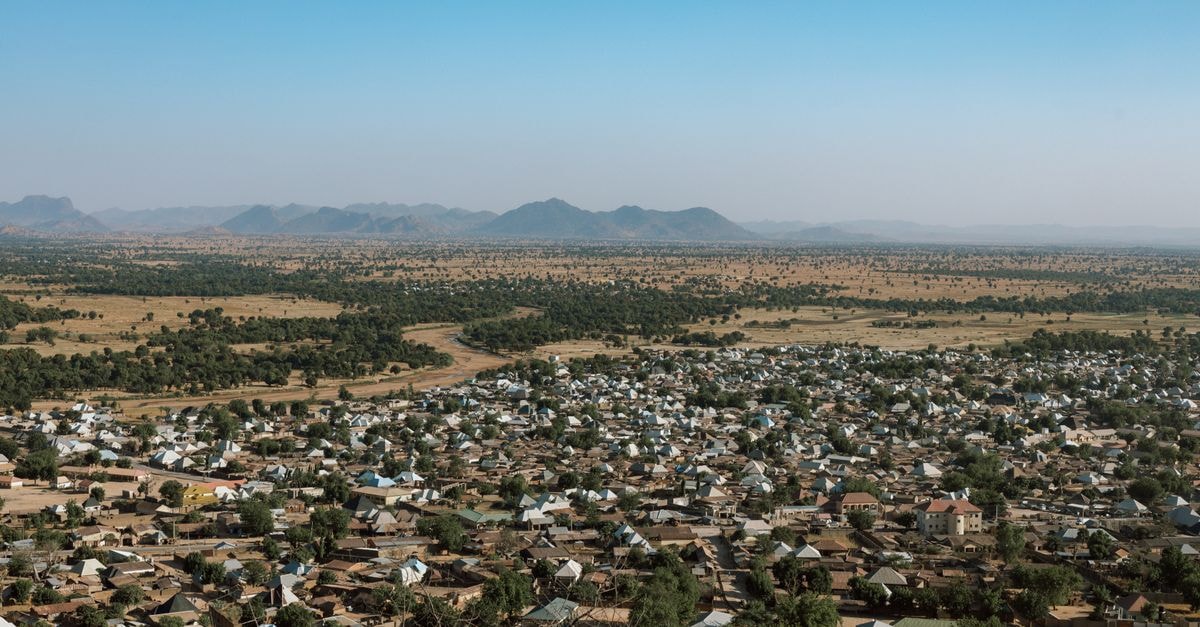
Outside the dry window, the region shifts into a wetter pattern that can soften the landscape but also complicate overland routes, turning sandy tracks into something far more sluggish. There is a rugged feel to the place at any time of year, and the climate simply layers its own quiet pressure on top of that: warm days, cooler nights, and a sense that the sky does most of the storytelling. Pacing the day gently, with a slow morning and a long golden-hour pause, tends to suit the rhythm of the Sahel.
Because the place sits off the usual tourist trail, weather here is less about a single ideal week and more about a general preference for dryness. Travellers who do not mind dust and heat in exchange for quieter conditions may find the shoulder of the dry season particularly rewarding, while those who find extreme heat draining might prefer to time their visit toward the cooler heart of the dry months. Practical information for visitors to the surrounding Goz Beïda National Park frames the dry season, generally November to February, as the recommended visiting window, a useful reference for timing a stop in the wider area.
Getting around and planning the stop
Goz Beida reads as an off-the-beaten-path destination rather than a polished resort town, and it is best approached as one stop within a wider Chad itinerary rather than as a standalone trip. For independent travellers, that translates into a place where logistics matter more than a checklist of attractions: planning the route in, allowing breathing room around the journey itself, and thinking about the next stage of the trip before arrival. The focus of any planning here is what a traveller needs to decide before visiting: why the stop is worthwhile, how to organise access, where to base yourself and how to connect it with the next stage of the trip.
Because the destination rewards travellers who build in buffer time, consider slowing the pace around this stop rather than racing through it. Travellers who prefer a self-directed rhythm and who enjoy assembling their own route through less-polished towns may feel especially at home here; travellers who rely on turnkey tourist infrastructure may find the logistical demands heavier than expected and could choose to pair Goz Beida with a guided arrangement.
A note for travellers weighing the trip
A few tradeoffs are worth thinking through before committing to a stop in Goz Beida. The destination rewards travellers who are comfortable with self-direction and light infrastructure rather than curated sights. The dry-season window offers more comfortable movement and is broadly the recommended period for the wider area, so timing the visit within that stretch may suit travellers who prefer easier conditions over the wetter months. The place is described as offering an authentic experience for those seeking adventure beyond the usual tourist trails, which sets the tone for what kind of visit feels rewarding here. Travellers who prefer a denser menu of attractions or who want a turnkey tourist setup may want to reconsider, or to balance this stop with a more developed leg of the journey.
Local culture and food context
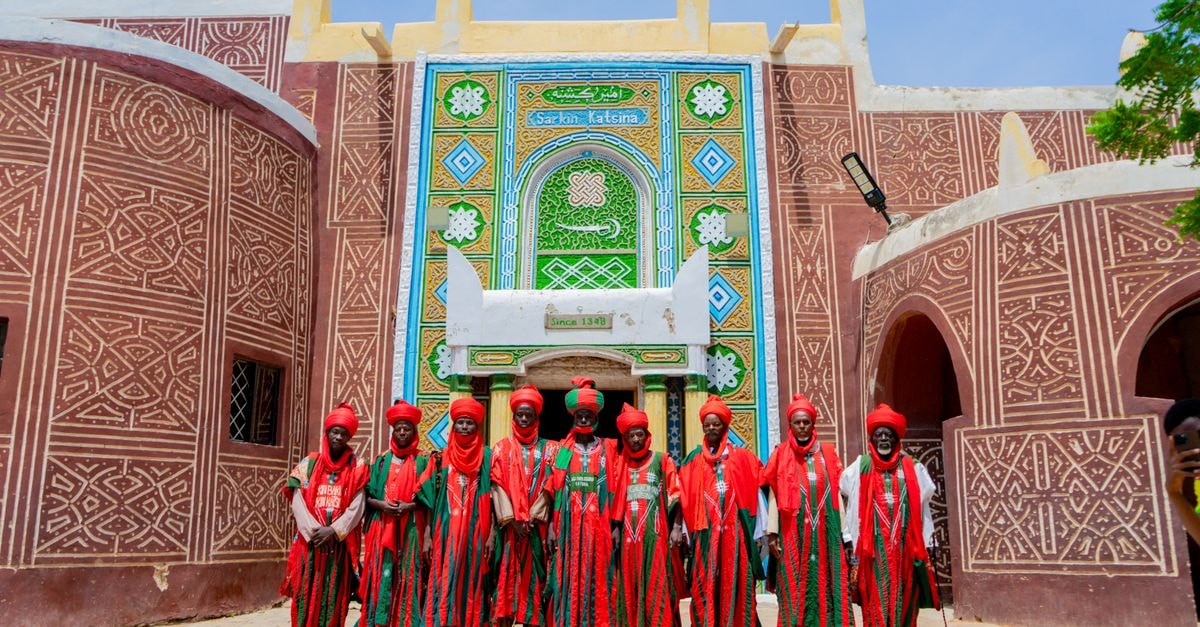
Country-level cultural references describe Chad's food traditions in broader terms, and that wider context often colours what visitors encounter while in the country. Boule, a thick sorghum porridge served as a dense, dough-like sphere that steams in its own moisture when tipped onto enamel plates, sits firmly among the traditional dishes that define Chad's culinary heritage. Travellers curious about local flavours may find that simple staples and shared plates do more to anchor a stop here than any formal dining programme. The Goz Beïda National Park area also offers opportunities to experience traditional music, dance and cuisine during local festivities, giving cultural texture to a visit timed around community events.
Verification before you go
Factual conditions on the ground can change quickly in remote Sahelian towns, and the guidance above reflects what is known rather than what is guaranteed today. Before travelling, check current travel advisories, confirm any required permits or visa steps through official channels, and verify the latest practical details with your tour operator, accommodation or local contacts. Rates, opening hours and on-the-ground availability shift often, so treat anything time-sensitive as something to reconfirm rather than assume.
Share this article
TOOLS FOR THIS PLAN
Make the Goz Beida plan measurable
Choose a tool only when it answers the next question in your trip. Your values stay in the browser, and each tool offers a route back to this planning context.