A quiet capital of the north

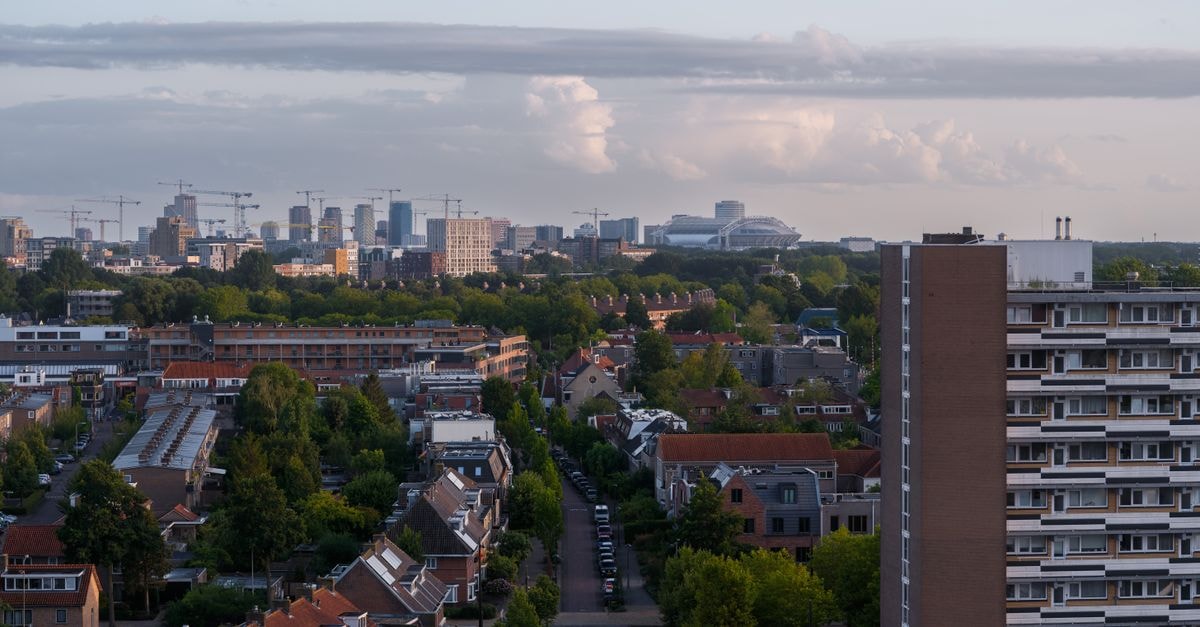
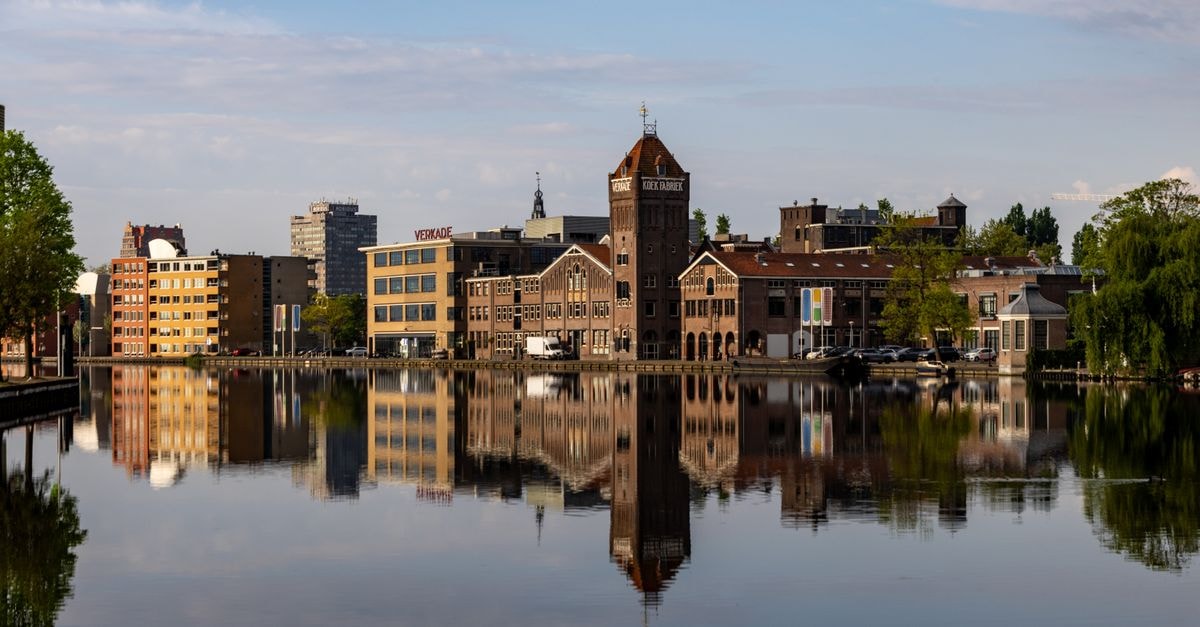
Groningen has the feel of a city that takes its time. The old town blends medieval street patterns with a famously young population, and the result is a place where stone-fronted façades, café terraces and university life share the same squares. It is the cultural and economic heart of the northern Netherlands, which gives it a confident, lived-in character rather than a polished postcard look. For visitors, that translates into short walking distances, a compact centre and a sense that the city is genuinely used by the people who live there, not just curated for outsiders.
Getting around Groningen
Groningen is straightforward to reach and easy to move through once you arrive. From outside the country, the most common route is to fly into Schiphol Airport and then take a train north to Groningen main station, which is generally the easiest option for international arrivals. For visitors already in central Europe, the train is widely described as the easiest way to reach the city in the first place.
Once you are in Groningen itself, the city centre is built around short distances. Public transport, bikes and cars are all workable ways to get in, and the city is considered easily accessible by whichever option suits you. A single local public transport journey costs around €1, which makes hopping between stops affordable if the weather turns or your legs tire. For late evenings, taxis and ride-hailing apps such as Uber are available, so a night out does not have to end with a long walk back to base.
If you are the kind of traveler who likes to keep the logistics light, Groningen tends to reward that approach. You do not need to plan complex transfers or memorise a metro map. The main station drops you close to the centre, the old town is walkable, and a single inexpensive ticket covers most short trips when you want a break from cycling or walking. Travelers who prefer to slow the pace of a city day may find that walking plus occasional public transport gives a more relaxed rhythm than trying to cover everything on two wheels.
Attractions and slow afternoons
For a relaxed pairing, a visit to the Veenkoloniaal Museum can be followed by a drink at Wieke Distillers, a local distillery that gives the afternoon an easy, social finish. The combination works well for travelers who prefer to anchor a day around one or two places rather than race between sights, and it suits visitors who like their cultural stops to end somewhere comfortable rather than back at a hotel.
Beyond these two anchors, the appeal of Groningen is the texture of the streets themselves: the way the old town folds into canals, squares and university buildings, and how quickly you can step from a quiet side street into a busy terrace. That kind of city is best enjoyed with a loose plan and a willingness to wander, especially if you prefer discovery over a fixed schedule.
Weather and seasonal context
There is no fixed climate pattern to plan around in this guide, so it helps to think of Groningen's weather in general terms rather than as a single season. The city sits in the northern Netherlands, where conditions can shift between cool, grey days and brighter, milder stretches, often within the same week. Rain is always a reasonable possibility, which means a compact umbrella and a light waterproof layer tend to earn their place in any bag.
Because the weather is variable, pacing matters more than packing for one specific forecast. Some travelers prefer to group outdoor wandering around the middle of the day when light is usually best, and to keep museum-style stops, distillery visits and long café sessions as flexible anchors that work in any weather. Travelers who do not enjoy cycling in wind or rain may want to lean more on the simple local public transport, where a single journey costs around €1, rather than insisting on two wheels every day. The city is compact enough that nobody is far from shelter, a warm drink or a short train ride back to base if conditions turn.
Picking the pace that fits
Groningen suits travelers who like short distances and a city that does not require an aggressive schedule. It may fit particularly well if you enjoy walking between a couple of well-chosen stops, such as a regional museum followed by a relaxed drink at a local distillery, rather than racing through a long list of sights. International visitors who want a low-friction arrival will likely appreciate the simple fly-to-Schiphol-then-train pattern, while anyone already closer to the Netherlands can take the train directly.
If you prefer late nights out, the availability of taxis and Uber means you are not tied to the timetable of daytime transport. If you would rather keep spending modest, the low cost of a single public transport journey, combined with a walkable centre, makes it easy to keep a daily budget gentle without feeling stuck. The city also works well for travelers who value context as much as sights: pairing the Veenkoloniaal Museum with time in the surrounding old town gives a sense of place that a quick photo stop rarely does.
A note before you go
Conditions, prices and opening details can change over time, so it is worth checking official transport and museum channels before you travel for the most current information. Treat any figures mentioned here as a planning reference rather than a guarantee, and confirm live timetables, ticket prices and availability closer to your visit.
Prices, opening hours, schedules, reservation rules, and local conditions can change; verify them through official channels before departure.
Share this article
TOOLS FOR THIS PLAN
Make the Groningen plan measurable
Choose a tool only when it answers the next question in your trip. Your values stay in the browser, and each tool offers a route back to this planning context.