A Slow Introduction to Guangyuan

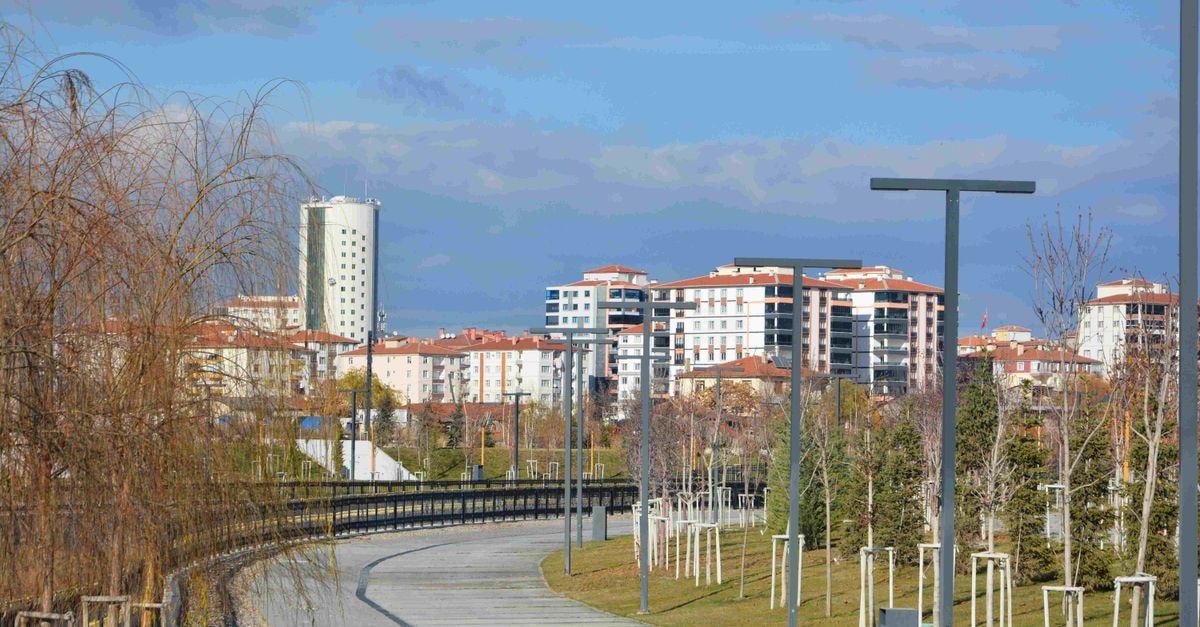
Set in the hills of northern Sichuan, Guangyuan has the kind of understated atmosphere that rewards travelers who like a little breathing room in their itinerary. Rather than racing between blockbuster sights, many visitors settle into a rhythm of short days, generous meals, and stops shaped around regional history. The city carries a quieter pace than China's megacities, and its streets feel calibrated for unhurried walking between the kind of places people tend to remember long after they get home.
This guide is written for travelers planning an independent trip and wanting to keep the budget in check while staying curious about the local food scene. It draws on two practical planning resources that look at Guangyuan as part of a broader Sichuan circuit, alongside a wider look at how Chinese dining is approached across the country.
Getting Around
Guangyuan fits naturally into a small-group itinerary through the northern part of the province. One widely shared budget framework frames a 3-day, 2-night structure for the city, pitched at staying under CNY 3,000 per person for the whole trip. Keeping that kind of cap in mind tends to make the planning stage much calmer, because it pushes decisions toward simple transit, modest lodgings, and a handful of paid entries rather than taxis and extras at every turn.
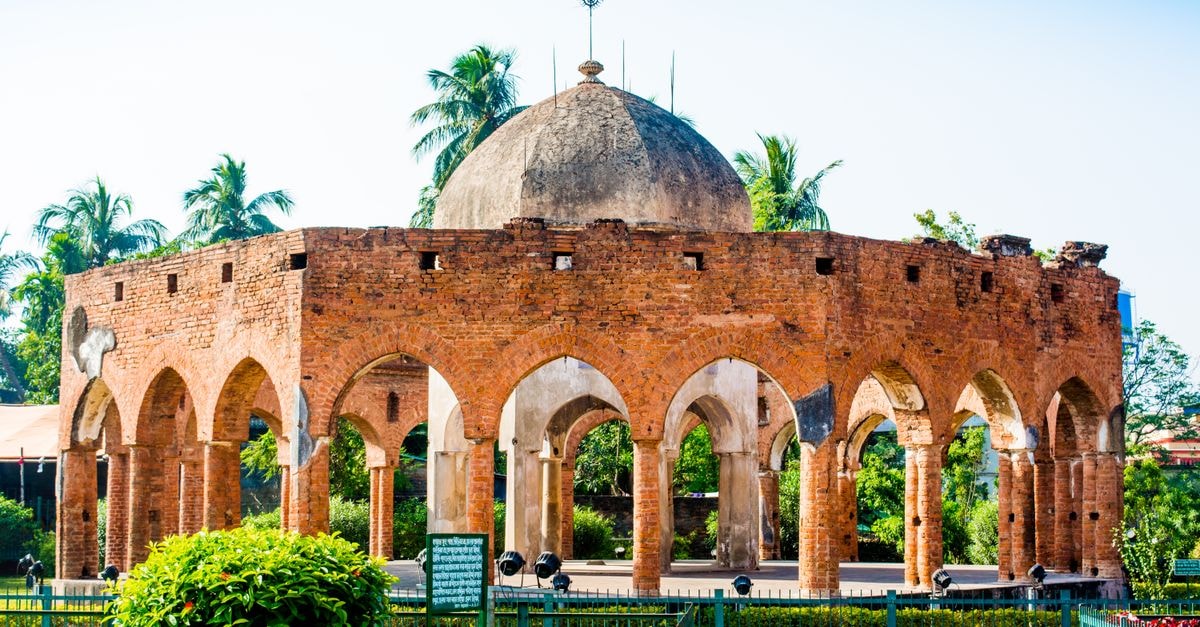
A more detailed circuit-style guide groups Guangyuan with Jiange, Jiangyou, and Mianyang, using Guangyuan and Zhaohua as a base on day one before moving on. Within Guangyuan itself, Zhaohua Ancient City is presented as a focal stop on that first day, paired with the dramatic landscape of Jianmen Pass in Jiange County, which sits between Dajian Mountain and Xiaojian Mountain. Travelers who enjoy layering scenery with old-town streets may find that pairing a strong natural landmark with a compact historic quarter sets up a satisfying first day, while those who prefer a purely urban pace can opt to linger longer in Zhaohua and trim time at the pass.
Because the regional itinerary laid out in that planning source spreads major stops across neighboring cities, anyone using it as a reference should expect a fair amount of ground covered between check-ins. On the Guangyuan portion specifically, most of what travelers will want to see clusters close enough together that a relaxed day on foot or by short rides is realistic. The circuit also moves into Mianyang the following day, including Li Bai's Former Residence, Shengshui Temple, the Mianyang Museum, Yuewang Tower, and Majia Alley, which is worth knowing only as context that the Guangyuan leg is generally treated as a launchpad for the wider route rather than a destination in isolation.
For travelers who like their trips pre-shaped, that day-by-day structure can be a helpful scaffolding. Independent planners who prefer more flexibility may want to borrow the Guangyuan portion and slow it down, treating the rest of the circuit as inspiration rather than a prescription.
Food and Local Context
While specific Guangyuan restaurants and market stalls are not detailed in the approved sources, anyone eating in the city will be stepping into broader Chinese dining customs that shape mealtimes across the country. China is widely described as a country where people genuinely love to eat, and where cuisine is among the most varied in the world, so visitors should expect meals to be a social centerpiece rather than a quick refuel. Giving the table proper time, rather than treating it like a pit stop, tends to suit the pace of the region.
Dining across China is also framed as something tied to a long history of ritual and etiquette, with customs that have been refined over centuries. For travelers who are curious rather than anxious, the practical takeaway is simple: a little attention goes a long way. Wait for hosts or elders to take their seats or begin eating, watch how dishes are shared, and follow the lead of the people around the table rather than relying on assumptions carried over from home.
For travelers who find strict table rules a bit formal, the wider custom of communal sharing generally makes things relaxed in practice. Dishes are placed in the middle, and everyone helps themselves, so no one has to navigate a long individual order from a potentially unfamiliar menu. Travelers who prefer ordering for themselves can usually ask for individual plates or smaller portions, and many restaurants are comfortable with that rhythm, especially in cities that see a steady flow of visitors.
Choosing What Fits the Trip
The two planning sources that frame Guangyuan lean in opposite directions, and the choice between them usually comes down to how much structure a traveler wants. The compact 3-day, 2-night budget framework is a natural fit for visitors who like their plans mostly decided, want a clear per-person budget ceiling, and are happy to follow a tested route without adding too many detours. The longer circuit through Jiange, Guangyuan, Jiangyou, and Mianyang suits travelers who think of the trip as a regional exploration and are comfortable shifting between cities on consecutive days.
Within Guangyuan specifically, travelers drawn to history and old-town walking may want to anchor their time around Zhaohua Ancient City, while those who care more about dramatic landscapes than town streets may lean the other way and use Guangyuan mainly as a base for Jianmen Pass. Independent travelers who dislike fixed schedules can borrow the Guangyuan portion from either plan and pace it loosely, letting the day shape itself around weather, energy, and how the first few hours feel. None of these choices override the underlying facts; they simply help decide which framing from the available sources best matches the kind of trip already taking shape.
A Final Note Before You Go
Travel conditions in Guangyuan, like anywhere in China, can shift between planning and arrival. Prices, opening hours, and transit details are best confirmed through official channels shortly before departure, and currency conversions should be treated as a reference rather than a locked-in rate. For travelers who prefer a smoother entry into the food culture, a short read on Chinese dining etiquette before the first meal can make a noticeable difference in how comfortable the table feels.
Share this article
TOOLS FOR THIS PLAN
Make the Guangyuan plan measurable
Choose a tool only when it answers the next question in your trip. Your values stay in the browser, and each tool offers a route back to this planning context.