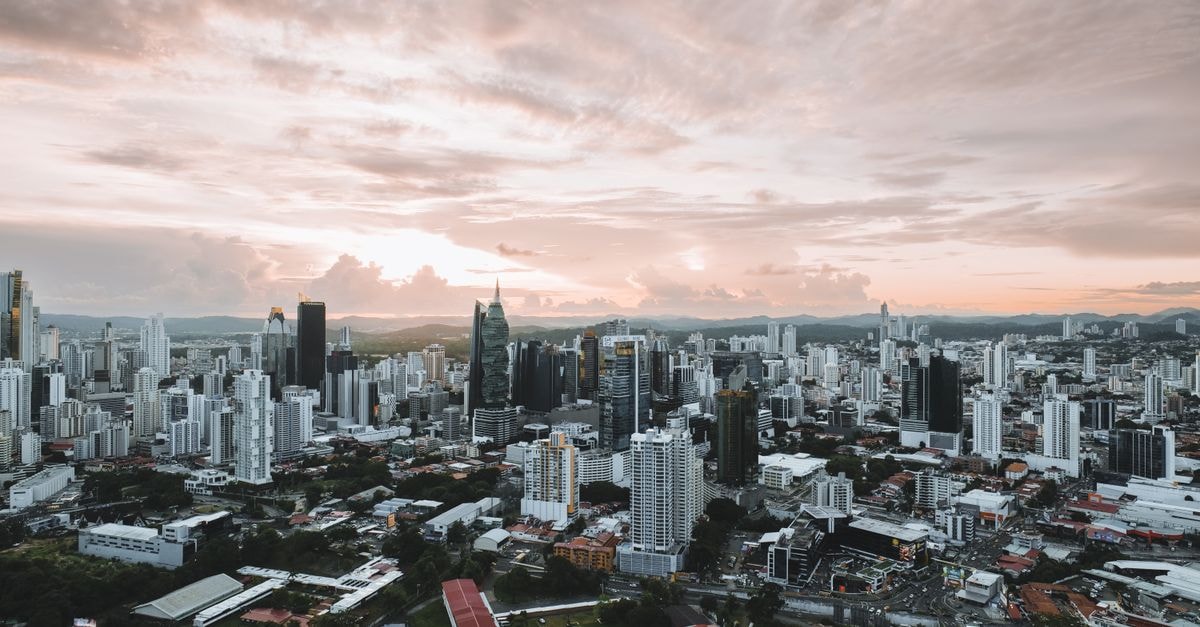
A First Look at Guantánamo

Tucked into the southeastern corner of Cuba, the city of Guantánamo carries the kind of identity that arrives long before you do. Mention its name anywhere in the Spanish-speaking world and the response is often the same: a quiet hum of the opening lines of "La Guantanamera," one of the most beloved songs in the Cuban repertoire. Beyond the music, the city functions as a major provincial hub in the eastern part of the island, where daily life and tradition still feel closely woven into everyday spaces.
For travelers, Guantánamo offers something rarer than the postcard view: a chance to step into a part of Cuba that prizes authenticity over performance. The province itself is sometimes called the "Terrace of Cuba to the Caribbean Sea" and is known regionally as the "Cuban High East," framing the city as a gateway to a distinctive corner of the country. Even if your itinerary stays only inside the city limits, that sense of place tends to travel with you.
Weather and Seasonal Context
The ledger around Guantánamo speaks in cultural and geographic terms rather than monthly numbers, so it is fair to treat the climate as evergreen context rather than a fixed forecast. The city sits in a tropical corner of Cuba, where warmth and humidity tend to be the through-line of the year, and where light cotton layers, hydration, and a slower afternoon rhythm usually serve visitors well.
Because the provincial capital is set close to the Caribbean side of eastern Cuba, sea breezes and shade tend to matter more than the calendar. A loose, flexible pace that allows for a long lunch, an indoor pause during the hottest part of the day, or a sunset walk along a breezier corner of town tends to suit the climate more than a tightly packed sightseeing sprint. Travelers who pace the day around the heat generally report a more comfortable experience.
Getting Around
Guantánamo is positioned within Cuba's broader tourism network as part of the Baracoa–Guantánamo travel region, and official tourism channels present the city as a destination in its own right within that grouping. Local movement tends to revolve around the city's central landmarks and main approaches, with the provincial capital acting as a natural base for travelers exploring the wider region.
Because conditions on the ground in Cuba can shift, the practical approach is a familiar one: confirm current transport options through official tourism sources before traveling, and treat any printed schedule as a starting point rather than a guarantee. Visitors who build a little flexibility into arrival and departure plans usually find that the rhythm of the city rewards unhurried movement.
Attractions and Planning
The city of Guantánamo carries a clear sense of identity within eastern Cuba, celebrated in song and folklore as a major hub of the region. As the provincial capital, it serves as a base from which travelers can engage with the surrounding landscape, history, and culture that define this corner of the island.
Within the city itself, the most meaningful approach is to walk slowly through the center, taking in the principal monuments that mark Guantánamo's civic and historical life. These landmarks offer a compact way to understand the city as a living capital rather than a stopover. Travelers who allow time to linger in central plazas, rather than racing from one sight to the next, tend to leave with a stronger sense of the place.
The wider province carries remarkable depth beyond the city. The region is internationally recognized for being home to Baracoa, known as the First Cuban Villa since 1511, and for an extraordinary concentration of heritage. Three UNESCO World Heritage Sites fall within the province: Alejandro de Humboldt National Park, the nucleus of the Cuchillas del Toa Biosphere Reserve; the French Tomb; and the French Coffee Plantations. Together, these sites frame the province as one of the most culturally and naturally rich corners of the country.
Even if your plans stay focused on the city, knowing that this heritage surrounds you tends to shape the trip. The provincial capital feels less like an isolated dot on the map and more like an entry point into a region with a deep historical and ecological story, from the coffee traditions of French settlers to one of the most important national parks in the Caribbean.
How to Approach the Trip
Guantánamo rewards travelers who arrive curious and unhurried. The city is best approached as a cultural destination in its own right, with time set aside to absorb the monuments, squares, and everyday rhythm of the provincial capital. Because the ledger confirms both the city's status as a major hub and the province's wider heritage weight, even a short visit can feel grounded in place when travelers pace themselves.
A practical approach is to anchor one or two days around the city's central monuments, leave room for conversation with locals, and treat any broader exploration of the province as a separate decision made once you are on the ground. Conditions in Cuba, from transport availability to opening hours at specific sites, can shift, so official tourism channels remain the most reliable source for up-to-date information before and during your trip.
A Note Before You Go
The facts gathered here are drawn from established descriptions of Guantánamo and its province, including official tourism channels. Travel conditions in Cuba, including transport schedules, site access, and local services, can change, and currency exchange rates fluctuate. Treat the guidance above as a starting frame and confirm current details through official tourism sources before departure so that your plans reflect the most up-to-date situation on the ground.
Prices, opening hours, schedules, reservation rules, and local conditions can change; verify them through official channels before departure.
Share this article
TOOLS FOR THIS PLAN
Make the Guantánamo plan measurable
Choose a tool only when it answers the next question in your trip. Your values stay in the browser, and each tool offers a route back to this planning context.