A Practical Introduction to Visiting Gulu
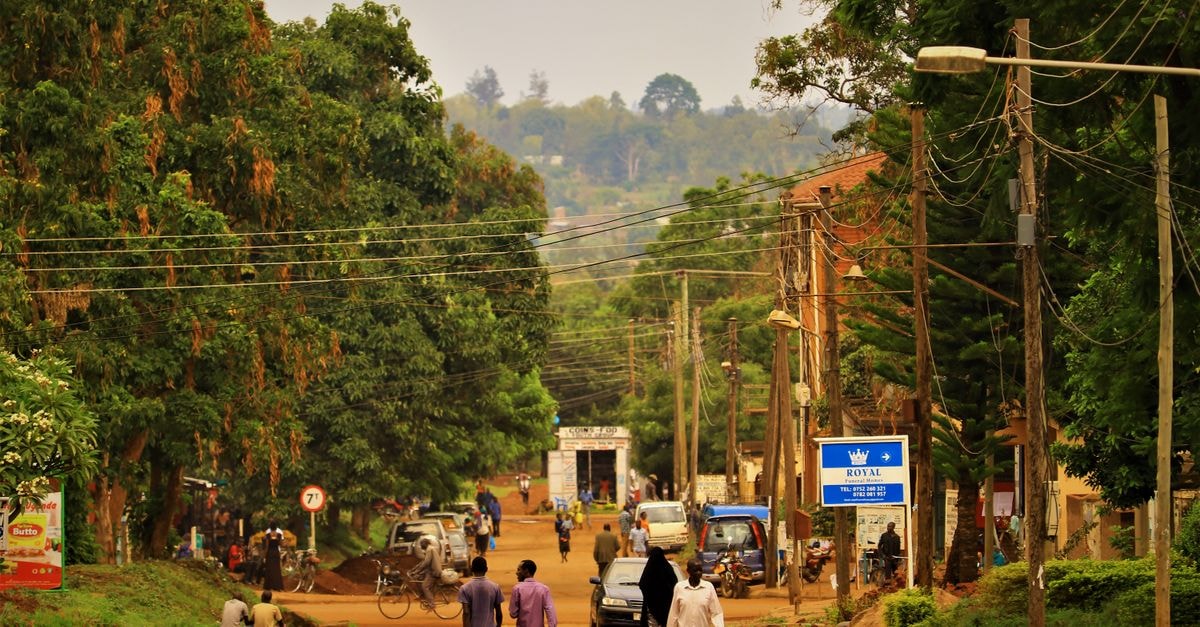
Gulu is a city where practical planning begins with the rhythm of the seasons and the character of the streets after dark. The best approach is to treat the weather as a meaningful part of the trip rather than a minor detail: when roads become muddy during heavier rain, travel can feel less straightforward, while the dry seasons offer a different experience for getting around.
Understanding Gulu’s Weather and Seasonal Context
The strongest seasonal guidance for Gulu points to December through February and June through August as the dry seasons. These periods can suit travelers who prefer drier conditions and want to reduce the likelihood of navigating heavy rain and muddy roads. If your priority is a more settled outdoor rhythm, considering these seasons may be the most practical seasonal decision.
That does not mean rain is absent outside those periods, nor does it promise that every road will remain easy to navigate. Rather, the practical distinction is that heavier rain and mud are more likely to complicate movement. Travelers who are flexible about their plans may also choose a wetter period when their priorities align with that time of year, but they should be prepared to allow more attention to road conditions.
Because this is an evergreen guide, there is no single month-specific forecast here. Weather patterns and immediate conditions can change, so travelers should check current local information close to departure and keep their plans adaptable.
Safety and the Shape of the Day
Gulu is generally described as mostly safe during the daytime, with petty crime being the more common concern after dark. Occasional rowdiness is also noted for the evening period. This context can help travelers shape their daily rhythm: daytime plans may suit a broader range of activities, while after-dark movement deserves more caution.
If you prefer to avoid returning to your accommodation late at night, consider arranging your schedule with a little more buffer. That may mean finishing an evening plan earlier or allowing extra time before heading back. This is not a guarantee that problems will occur; it is simply a practical response to the documented difference between daytime and nighttime conditions.
The wider context matters too. Petty theft refers to relatively small-scale theft rather than an indication that every interaction is unsafe. Even so, sensible precautions such as keeping valuables secure and remaining alert in busier or unfamiliar nighttime settings are sensible habits for any urban visit. Local official channels should provide the most current safety advice before departure.
A Grounded Approach to Gulu’s Food Context
The available food evidence does not identify a particular Gulu dish, market, restaurant, menu, or ingredient as a city specialty. Food should therefore not be approached as a checklist of guaranteed local finds.
This distinction is useful for independent travelers who enjoy discovering meals rather than following a fixed dining list. Gulu provides the setting for that exploration, but the available country-level source does not document particular Gulu dining opportunities.
If food is a central reason for your trip, the most responsible plan is to confirm current options locally. Ask about dishes, ingredients, preparation, and dietary requirements at the place where you will eat rather than relying on assumptions carried over from another part of Uganda. That small verification step can make the experience more rewarding without turning uncertain details into confident claims.
Choosing What Fits Your Trip
Two practical preferences can shape the trip more clearly than a generic itinerary. First, if dry roads and fewer mud-related disruptions matter to you, the documented dry seasons may suit your needs better than travel chosen around heavier rain. Those windows are December through February and June through August. Flexibility remains useful because seasonal conditions can vary.
Second, if you want to minimize late-night street exposure, structuring the day around daytime and early-evening plans may be worth considering. The documented safety context describes Gulu as generally safer during the day, with petty theft and occasional rowdiness more relevant after dark. This is a preference-led adjustment, not a statement that evening travel is impossible.
Food explorers should likewise keep the focus broad. The evidence does not support naming a confirmed Gulu specialty or promising a particular venue, so verify individual dishes and availability on the ground.
Final Check Before Departure
Travel conditions can change, so confirm current weather, road, and safety information through official channels before departure and again close to your visit. The seasonal and safety points here offer durable planning context rather than live conditions.
Share this article
TOOLS FOR THIS PLAN
Make the Gulu plan measurable
Choose a tool only when it answers the next question in your trip. Your values stay in the browser, and each tool offers a route back to this planning context.