A Riverside City Worth Slowing Down For

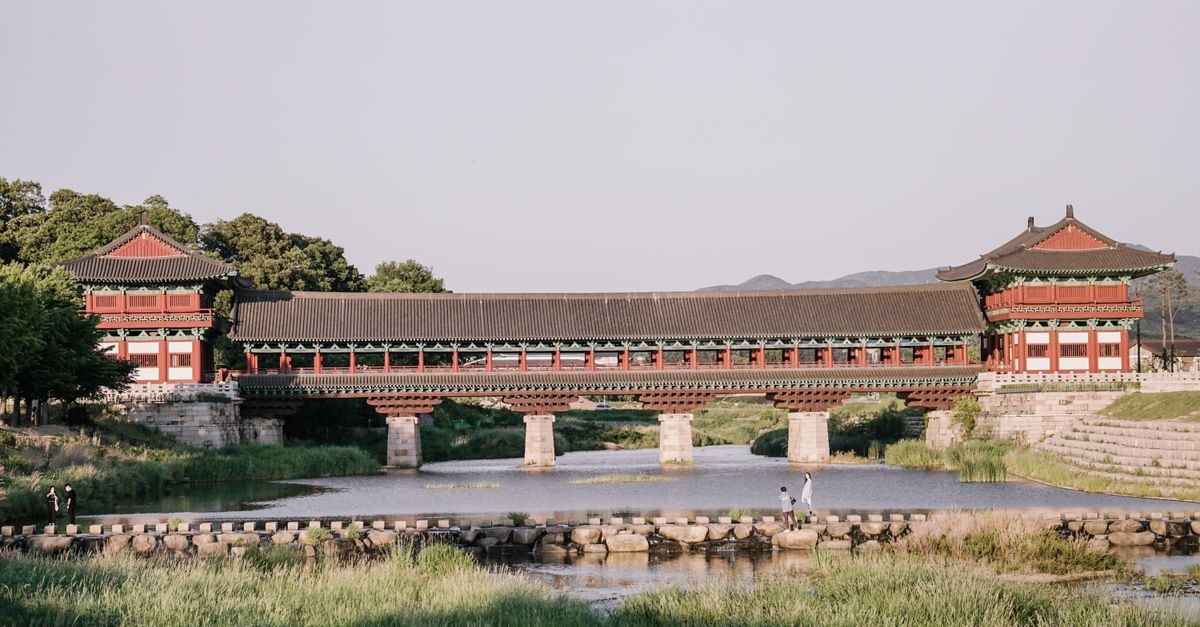
Tucked into the heart of Gyeongsangbuk-do, Gumi sits on the banks of the Nakdong River, roughly halfway between Daegu and Gimcheon. It is the second largest and most densely populated city in its province, yet it carries the unhurried feel of a place where river walks, layered history, and a quietly powerful industrial identity coexist. For travelers who like to step off the high-traffic tourist trail and into a working Korean city with real local texture, Gumi offers something rare: the convenience of South Korea's principal traffic arteries without the bustle of the capital.
Where the City Sits in the Country
Geography shapes everything about how Gumi feels. The city lies directly on the Gyeongbu Expressway and the Gyeongbu Line railway, the two routes most travelers associate with movement up and down the Korean peninsula. That positioning means Gumi is the kind of place you do not have to fight to reach, but it also means it is the kind of place you might pass through without stopping. Travelers who linger here often find that the easy access is part of the appeal: a base that feels local, with the rest of the country still close at hand.
Weather and Seasonal Context
Gumi follows the broader rhythm of inland South Korea, where summers lean warm and humid and winters bring crisper, drier days. Without month-specific data in hand, the most useful mindset is to plan for the kind of weather the Nakdong River basin typically experiences: layered clothing in transitional seasons, light breathable fabrics in summer, and a warm outer layer once temperatures drop. The river itself becomes a different companion in each season, sometimes glittering at dusk, sometimes wrapped in soft morning mist.
Hotel pricing in the city can rise by roughly 20–30% during peak season compared with standard rates, depending on whether you choose a business hotel or a resort-style property. If you prefer to keep costs steady, consider traveling just before or after the busiest windows, when the city feels calmer and rooms are easier to match with a budget. Popular areas to stay cluster around central districts near transportation hubs and commercial centers, which makes late arrivals and early departures feel far less stressful.
In practical terms, Gumi is rated as very safe for travelers, with low violent crime and only the standard urban vigilance for petty theft that any traveler would practice in a mid-sized city. That sense of security makes it an easy place to walk after dinner, take an unplanned detour, or settle into a slower pace without second thoughts.
Getting Around
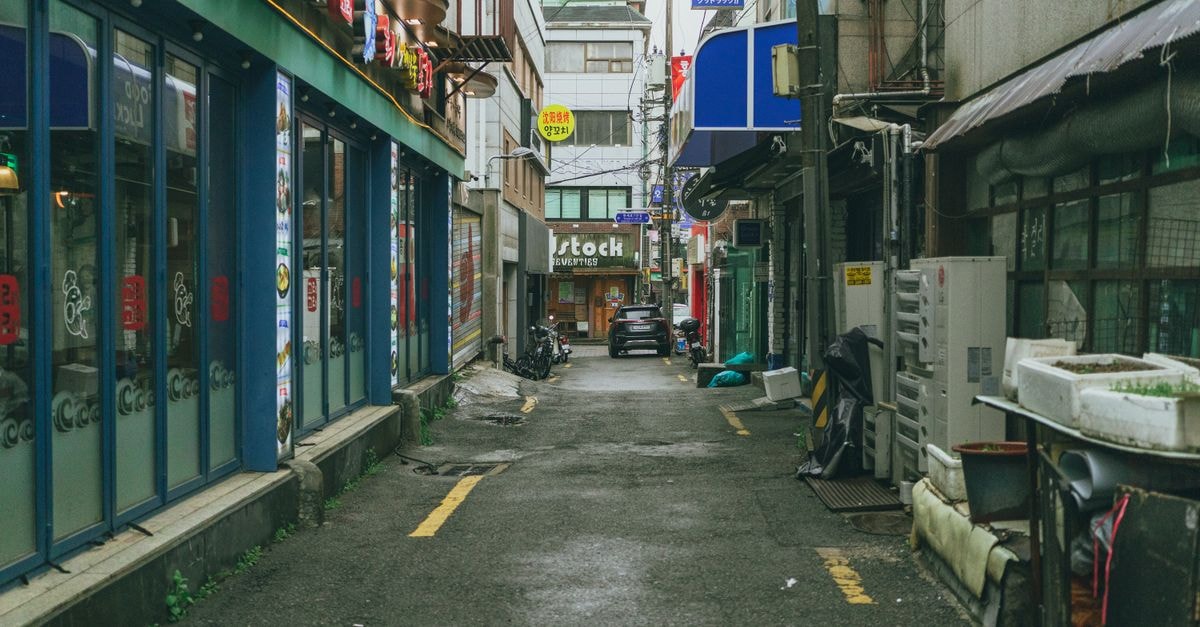
Reaching Gumi is the easy part. The Gyeongbu Expressway and the Gyeongbu Line railway handle the heavy lifting, linking the city into the spine of South Korean travel. Once you arrive, the central layout of Gumi, with its commercial core and transport hubs clustered close together, keeps the daily rhythm of getting around refreshingly simple. Travelers who prefer to be within walking distance of cafes, convenience stores, and evening food spots tend to settle into central districts and find that they barely need a taxi for casual outings.
For day excursions, the city's position on the Nakdong River is a quiet asset. Walking paths and riverside trails are part of the local lifestyle, and the gentle topography means that a short stroll can replace a planned itinerary. If you enjoy reaching a viewpoint without committing to a serious hike, the trails near the city's hilltop fortress ruins are worth considering: visitors can either ride the cable car at ₩9,000 each way or take the walking trails up to the ruins themselves. Travelers who prefer to save their energy for exploring at the top may find the cable car especially welcome, while those who like a gentle warm-up walk can take the trails and still arrive comfortably.
Attractions and Planning
Gumi blends two personalities that do not always sit easily together: a strong technology and industrial backbone, and a heritage layer rooted in the Nakdong River landscape. The city's identity as a tech and manufacturing hub is part of what gives it its tidy, modern feel, and large electronics retailers are part of the local shopping fabric. Lotte Himart's Gwangpyeong branch operates as a tax-refund shop within the city, which can be a small but welcome bonus for travelers building a longer Korean shopping circuit. For those who like to combine practical errands with sightseeing, that kind of overlap keeps the day efficient without feeling rushed.
Accommodation choices in Gumi lean toward practical, well-located hotels rather than boutique hideaways. Ramada by Wyndham Gumi and Gumi Century Hotel are two recognizable options in the local hotel scene, both positioned to serve travelers who want a reliable base with easy access to transport links. Rates at hotels like Gumi Century are listed from around 108 USD, a useful reference point for travelers setting expectations. Rooms can shift up by roughly 20–30% during peak season depending on the property type, so budgeting a little extra headroom during high-demand windows is a sensible habit rather than a guess.
The hilltop fortress ruins are a natural anchor for a first or second day. Combining a cable car ride with a slow walk through the site, then descending on foot for a different perspective, gives a compact but satisfying sense of the city's geography. From the higher ground, the Nakdong River becomes a visual thread that ties the urban grid back to the landscape, and it is the kind of view that lingers after the trip ends.
Choosing What Fits Your Trip
Gumi tends to suit travelers who enjoy cities that feel functional rather than polished for visitors. If you prefer a base where transport is straightforward, where you can walk to dinner, and where a single hilltop viewpoint can define a day, the rhythm here will feel natural. Travelers who want a quieter pace than Seoul or Busan, paired with strong rail and highway links, often find that Gumi offers exactly that balance.
If your priority is a dense cluster of headline tourist sites within walking distance of each other, a larger city may suit you better. The appeal of Gumi is its scale: comfortable, connected, and easy to read in a short stay.
A Note Before You Go
Hotel rates, transport details, and on-the-ground conditions in Gumi can shift over time, and the figures mentioned here are reference points rather than live quotes. Before booking, it is worth checking current room rates, cable car operating status, and any seasonal transport changes through official channels. Exchange rates for ₩9,000 and 108 USD are useful as rough guides only, and travelers should confirm the live rate before exchanging currency. With a little pre-trip checking, Gumi rewards the kind of traveler who likes to arrive curious and leave with a quietly memorable impression of the Nakdong River basin.
Share this article
TOOLS FOR THIS PLAN
Make the Gumi plan measurable
Choose a tool only when it answers the next question in your trip. Your values stay in the browser, and each tool offers a route back to this planning context.