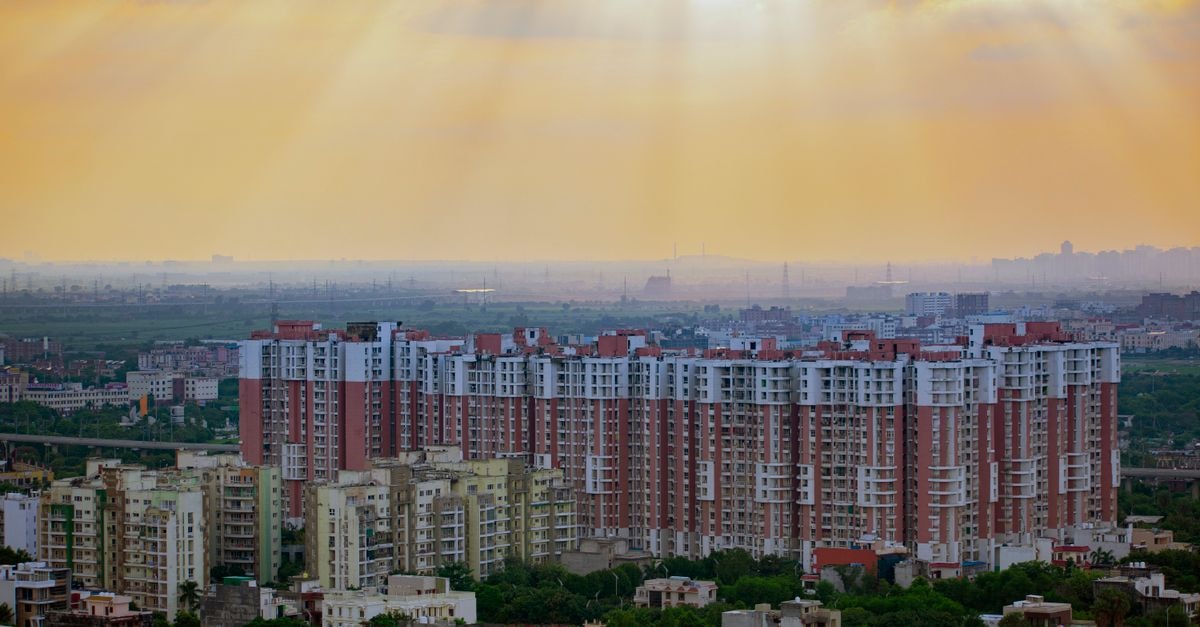
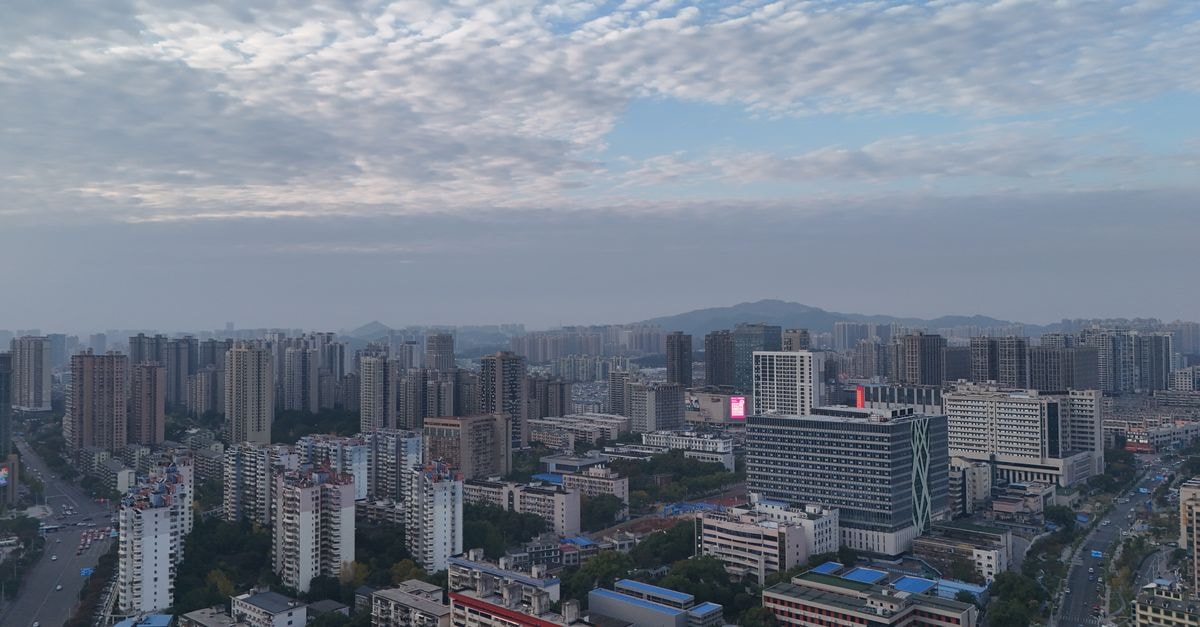
A city that grew up fast, and shows both sides

Gurugram reads like two cities layered on top of each other. On the surface it is glass towers, valet forecourts, and polished food halls — the Millennium City of corporate India. Underneath, an older trading town is still visible in its dense bazaar lanes and the food shops that have been feeding people for decades. Travellers who arrive expecting only one of those two Gurugrams tend to be surprised by the other one.
This guide is written for the visitor who wants to see both: someone planning a few days in the city, curious about food, and looking for an honest sense of what the place actually feels like.
Weather and seasonal context
Gurugram's climate is one of those subjects where the average charts and the lived experience rarely tell the same story, and it helps to know that going in. Weather pages for the city exist mainly to help visitors compare months by average temperature, rainfall, and sunshine, and to pick a time that suits how much time they want to spend outdoors.
The broader consensus among those climate summaries is that Gurugram is gentler in the cooler, drier stretch around November and March, while the wetter middle of the year can feel heavier and more humid. That wetter stretch is exactly where a visit in late summer often lands, so travellers planning around that time are rewarded by pacing their days with the weather in mind — leaving the long outdoor stretches for the cooler hours and keeping museums, food halls, and other indoor stops as a backup when the sky turns.
The practical takeaway is simple: treat the climate summaries as a planning tool rather than a forecast, and don't build a day around the assumption of blue skies.
Getting around
Gurugram sits inside the wider Delhi orbit, and that shapes how most visitors arrive. The nearest airport is Delhi's international airport, which connects to major cities and towns across India and beyond. From there, the standard options are a taxi or cab, or a local bus, both of which are listed as the usual ways to complete the journey into the city.
Once you are in Gurugram, the same mix of taxis, app-based cabs, and local buses tends to be how people move day to day. The city is large and spread out, with corporate districts, residential pockets, and older bazaar zones often sitting a fair distance apart, so factoring in travel time between one stop and the next is part of planning a sensible day.
A loose rhythm that works well is to anchor one part of the day to a single neighbourhood — the Cyber Hub / 32nd Avenue area for the polished, glass-tower side of the city, or the older bazaar belt for something more grounded — and use a taxi or cab to bridge between them rather than trying to walk the whole way.
Attractions and planning
Gurugram is not a city of headline monuments in the way that older Indian cities can be, and that is part of the point of going. The attractions here tend to be thematic rather than iconic, and they reward visitors who pick a few and give them room to breathe.
One genuinely distinctive stop is the Heritage Transport Museum, where the story of India's transportation history is told through interactive exhibits and a collection of vintage vehicles. It is the kind of place that appeals well beyond transport enthusiasts — families, design lovers, and anyone with a soft spot for old machines tend to find something to latch onto. Because it sits a little outside the dense central districts, it pairs naturally with a half-day outing rather than a quick stop between meetings.
Beyond that single named stop, the most honest planning advice is to treat the city as a set of neighbourhoods to spend time in rather than a checklist of sights to tick off.
Food and local context
Food is where Gurugram's two identities are most visible. The city's food culture has clearly absorbed both sides of its story: traditional Haryanvi cooking on one hand, and a wide range of international cuisines on the other, drawn in by a population that has arrived from across India and the wider world.
That duality tends to show up geographically. The newer, polished food scene is associated with glass-tower districts like Cyber Hub and 32nd Avenue, and with food halls of the kind that come with valet parking. These are the places that built Gurugram's modern reputation as a place to eat well in a smart setting.
The older food story is centred on Sadar Bazar. Every Haryana town has a Sadar Bazar, and Gurugram's is the dense trading bazaar of the pre-Millennium City town, where food shops predate the first office tower by decades. For visitors, this is the place where the local palate is most legible: long-established shops, dense lanes, and the kind of unhurried, everyday rhythm that newer food districts do not really offer.
Across India, eating out tends to involve a few unwritten customs that travellers may encounter in any city, including Gurugram: sharing dishes is normal in many restaurant settings, hands are commonly washed before and after meals, and tipping practices vary by venue type rather than being fixed city-wide. These are wider Indian dining habits to be aware of, not Gurugram-specific rules.
The simplest way to read the food scene in practice is to plan at least one meal in the polished food-hall zone and at least one walk-and-eat stretch in the older bazaar, and to let the contrast between the two be part of the experience.
A short note on practicalities
Gurugram is a working corporate city, and it behaves like one. Weekday lunch hours in the tower districts can be busy, while the older bazaars follow their own slower rhythm. Cash and card habits, opening hours, and transport availability can all vary by neighbourhood and by venue, so it is worth checking specifics directly with the place you plan to visit rather than assuming one rule covers the whole city.
Factual travel conditions — including prices, transport schedules, entry details, and weather — can change at short notice. Before departure, and again on the ground, it is sensible to confirm key details through official channels and current local information so that plans still match reality on the day.
Share this article
TOOLS FOR THIS PLAN
Make the Gurugram plan measurable
Choose a tool only when it answers the next question in your trip. Your values stay in the browser, and each tool offers a route back to this planning context.