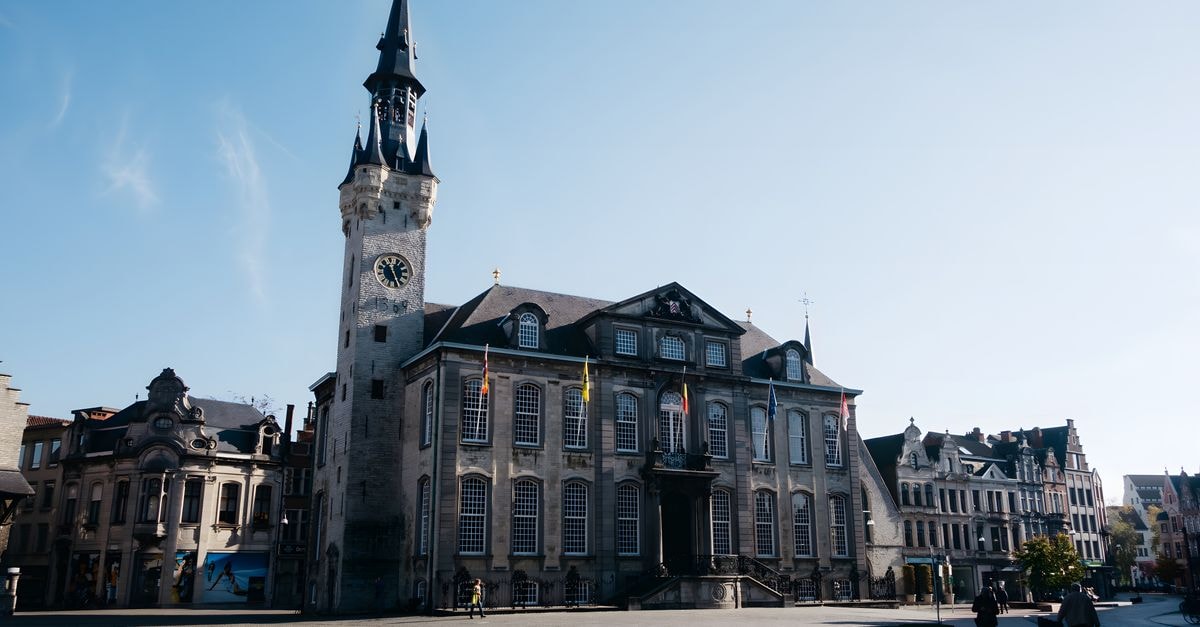
A first look at Haarlem

There is something quietly confident about Haarlem. It sits close enough to Amsterdam that you can almost feel the city breathing in its own direction, with leafy squares, gabled façades, and a pace that seems designed for unhurried wandering. Locals are quick to share that Haarlem blends centuries of history with a contemporary café and boutique scene, and that the coast is genuinely just around the corner from the historic centre. The result is a destination that feels complete on its own, even if travellers often treat it as a side note on a wider Netherlands itinerary.
This guide leans into that slower rhythm. It focuses on what you can confidently plan around: how to arrive and move through the city, where to begin exploring once you have dropped your bags, and the general food culture you are likely to encounter.
Weather and seasonal context
What this means in practice is that Haarlem follows a typical Dutch pattern: temperatures that can shift between mild and warm, and weather that often changes within a single afternoon. The most comfortable approach is to plan a day that mixes indoor stops with outdoor wandering, and to keep a light layer or rain jacket within reach. If you are building a loose itinerary, leave room to slow down in a café when the sky turns grey, and save the longer canal-side strolls for a brighter window. None of this is unique to one calendar month; it is simply how life in this part of North Holland tends to unfold.
Getting around
Haarlem is genuinely easy to reach, and once you are in the city centre, most of what you will want to see is concentrated enough to be covered on foot. That said, the transport network around the city is worth understanding because it shapes how smooth your arrival feels.
Arriving by train and air
Haarlem is well connected by rail from other Dutch cities, and international train travel from London, Paris, Belgium, and Germany into the Netherlands is a practical option worth considering before booking a short-haul flight. From Schiphol Airport, the city is only around 20 kilometres away, which makes it one of the easiest Dutch destinations to reach after landing. A straightforward onward train ride is typically the simplest way to complete that final leg, especially if you are travelling light.
Haarlem Centraal Station is a major hub, offering excellent train connections for both local and national travel. That single sentence does a lot of work for a visitor: it means you can arrive directly into the heart of the historic centre, step out into a square lined with cafés, and orient yourself within minutes.
Moving through the city
The public transport system around Haarlem includes buses and regional rail services that complement walking rather than replace it. If you are spending a few days in the city, it is worth familiarising yourself with the ticketing system before your first journey so that you are not fumbling with unfamiliar machines at the station. A short pre-trip read of how the cards and tickets work will save you time on arrival and let you focus on the city itself. For most visitors, the rhythm ends up being: walk the centre, hop on a bus or train for anything that stretches beyond the ring of streets, and keep the station close at hand as a reference point.
Attractions and planning
Haarlem positions itself as a city with "everything" within reach, and that framing is genuinely useful for planning. The combination of charming streets, museums, boutiques, outdoor cafés, and proximity to the coast means that a single day in Haarlem can feel surprisingly varied. You do not need a packed schedule to have a full experience; you need a loose shape and the willingness to follow what catches your eye.
The local visitor organisation has compiled a list of the top 10 must-see attractions, which is a sensible starting point if you want a curated shortlist rather than an open-ended search. Use it as a menu, not a checklist: pick the entries that match your interests, group anything nearby so you are not zig-zagging across the centre, and leave time for the unplanned discovery that tends to happen when you stop trying to optimise every hour. Boutiques and outdoor cafés are part of the official pitch for Haarlem, so giving yourself a slow afternoon with a coffee and a window seat is, in its own way, doing the city properly.
Food and local context
Haarlem likes to describe itself as a culinary city, and the energy around eating and drinking here does feel consistent with that. Bars and restaurants tend to be lively through the week, with the midweek evenings feeling almost as active as the weekend. That rhythm matters for visitors, because it means you do not need to restrict yourself to a single high-energy night out; a casual dinner on a Monday or Wednesday can feel just as settled as a Saturday table.
A few practical notes that follow naturally from the food culture:
- Because Haarlem's restaurant scene is lively across the week, booking is most useful for the busier evenings or for specific well-known rooms, rather than for every meal.
Rather than chasing a ranked list, treat Haarlem's dining scene as a layer of the city itself: something you wander into, follow your nose around, and revisit over the course of a stay.
A short closing note for travellers
Haarlem rewards the kind of traveller who treats a city as a place to be in, rather than a list to be completed. Arrive by train, settle into the centre on foot, use a short public transport ride when the distance asks for it, and let the food scene weave itself into your day. If you keep your plan light, the city does most of the work for you.
Travel conditions change, so before you set off it is worth checking official transport and tourism channels for the latest ticketing details, opening hours, and any updates that might affect your visit. This guide is built to be useful well beyond a single season, but the small logistical details are always worth a final look.
Prices, opening hours, schedules, reservation rules, and local conditions can change; verify them through official channels before departure.
Share this article
TOOLS FOR THIS PLAN
Make the Haarlem plan measurable
Choose a tool only when it answers the next question in your trip. Your values stay in the browser, and each tool offers a route back to this planning context.