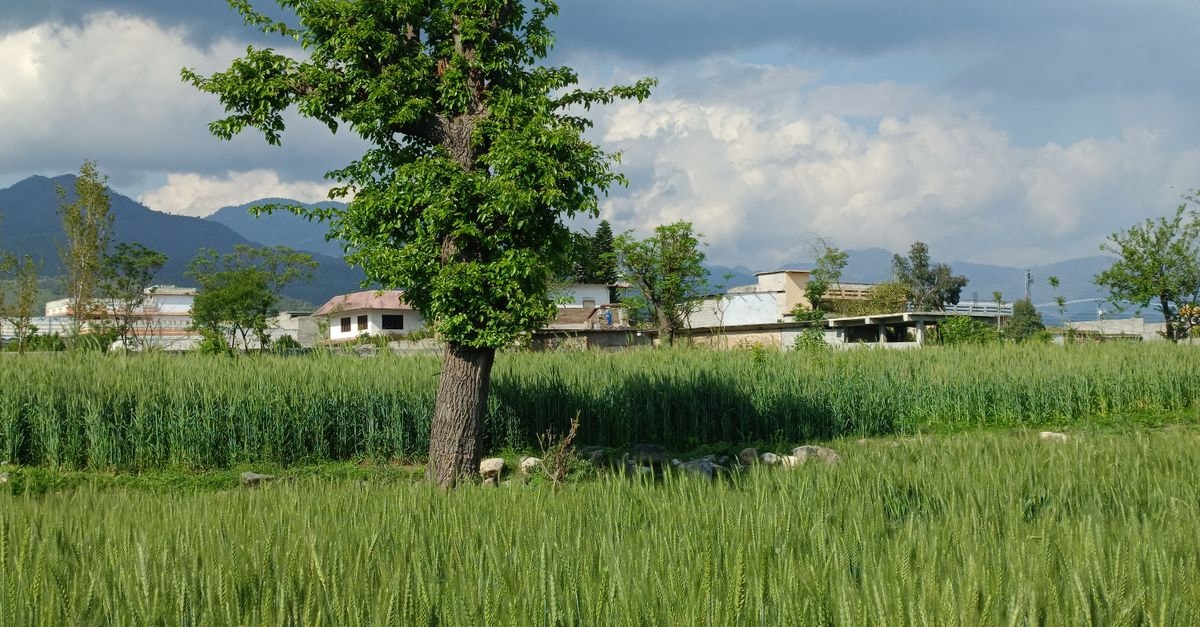
Tucked into the western edge of Tokyo Metropolis, Hachiōji has a quieter rhythm than the downtown wards, with a wider sky, more residential pockets, and easy access to the surrounding hills. It works well for travelers who want to slow down between bigger sightseeing days, or for anyone staying with friends, family, or at a longer-stay base in this part of the city. Rather than a checklist of headline sights, this guide focuses on the practical texture of a visit: the climate context that shapes how a day feels, the transport options that connect the city to the rest of the region, and the small-town food culture that locals tend to be proud of.

Weather and seasonal context
Hachiōji sits inland and at a slightly higher elevation than central Tokyo, which gives its seasons a little more bite than you might expect from the metropolis. Summers can feel warm, with July highs around 29 °C (83 °F), and the humidity layer is real: August readings can reach roughly 81 percent relative humidity, which adds a sticky weight to simple walks between stations and shops. Winters lean cold rather than mild, with January lows that can dip to about -2 °C (29 °F), so mornings and evenings often need more than a light layer. Wind here is generally calm, which is pleasant most of the year, though March days can bring breezes up to around 3 m/s, just enough to make a riverside walk feel brisk. If you prefer gentler outdoor pacing, you may want to plan shorter midday loops in the warmer, more humid stretch of the year and lean on indoor stops during the coldest mornings.
Getting around
Hachiōji is shaped by its transport links, and the city’s network is the most useful starting point for any visit. Public transportation is the practical backbone for both city movement and regional travel, which matters because the area is a natural springboard into the wider Kanto region rather than a single walkable center. A Japan Rail Pass can be valuable for travelers who plan to weave Hachiōji into longer routes across the country, since the city’s main lines connect it directly to central Tokyo and onward to destinations further afield. If you are staying for several days and want to use the city as a calm home base, the train network makes day plans easy: a quiet morning locally, then a longer hop elsewhere, then back again for dinner. Travelers who prefer to minimize logistics may appreciate leaning on the rail system rather than mixing in taxis or rental cars for most journeys.
Food and local context
Hachiōji has a small-town food layer that rewards unhurried browsing rather than a fixed restaurant list. In the smaller neighborhoods around the city, interesting shops carry items from the Hachiōji area, including sake, soy sauce, and of course fish, which gives visitors a chance to pick up local specialties and taste the regional pantry rather than only eating on the go. Stalls and shop counters in these pockets often double as informal introductions to the city itself, since the producers and shopkeepers are usually happy to explain what is local and what has traveled further. Wider Japan context also shapes what you will find on the table: Japanese cooking techniques are known for highlighting the health of ingredients and leaning into a rich food culture built around seasonality, care, and specialty components, so the same respect for ingredients tends to show up in Hachiōji’s small shops and dining rooms. If you enjoy slow food and the story behind what you eat, the small-town pockets here may suit your pace better than a chain restaurant.
Choosing what fits your trip
Hachiōji reads less like a single dramatic attraction and more like a calm base with its own texture, so the right trip shape depends on what you want from it. If you prefer a quieter base with rail access to the rest of the region and you enjoy browsing local shops rather than chasing a packed sightseeing list, the rhythm of small-town Hachiōji, its seasonal food shops, and its train links will likely suit you. Consider leaning on the public transport network, keeping plans flexible around the warmest, most humid hours, and leaving room for sake, soy sauce, and fish stops in the smaller neighborhoods. Travelers looking for dense, walkable sightseeing in a single tight core, or for nonstop nightlife, may want to balance Hachiōji stays with time in central Tokyo.
Before you go
Local conditions can shift over time, so it is worth a quick check of current train timetables, shop hours, and weather forecasts close to your travel dates through official transit and tourism channels before you set off. Live exchange rates and current fares are best confirmed at the moment of booking, since rates and service details move regularly. Treat the framing above as a starting point, then adjust based on what is actually open and running when you arrive.
Prices, opening hours, schedules, reservation rules, and local conditions can change; verify them through official channels before departure.
Share this article
TOOLS FOR THIS PLAN
Make the Hachiōji plan measurable
Choose a tool only when it answers the next question in your trip. Your values stay in the browser, and each tool offers a route back to this planning context.