A Slow-Moving Mountain Retreat in Western Kanagawa

Tucked into the mountains of western Kanagawa Prefecture, Hakone has the kind of landscape that feels built for unhurried days: volcanic ridges, wooded valleys and a calm lake that catches the morning light. The region is a popular escape from Tokyo, and its character comes from the way small towns, onsen villages and viewpoints are stitched together by a network of trains, boats and mountain roads. For travelers who like the idea of switching between a steaming outdoor bath, a vintage railway and a museum about the ground beneath their feet, Hakone rewards a slower pace.
A note before diving in: this guide reflects general, durable information about Hakone. Travel conditions can change, so it is always worth confirming transport times, museum opening hours and any ticket details with official sources before you set off.
Weather and Seasonal Context
Hakone's climate is shaped by its mountain setting, and checking it before you go is widely considered an essential part of planning. The region sits at elevation, and weather on the mountain can feel quite different from the lowlands below, especially when fog settles into the valleys or wind picks up over open ridges. Layers are a sensible idea in any season, since the difference between a sunny viewpoint and a shaded forest path can be noticeable.
Across the year, climate guides describe the peak of summer as Hakone's hottest period and note that it also tends to bring heavy rainfall. From a temperature standpoint, that summer window is often described as the least comfortable stretch of the year, with muggy conditions in the lower town and warm, humid air higher up. Travelers sensitive to heat generally find that spring and autumn offer a more relaxed rhythm, when daytime walks, boat rides and outdoor baths all feel easier. None of this means summer is off-limits, but it does suggest pacing the day thoughtfully: gentle mornings, indoor breaks during the hottest hours and cooler evenings by the lake or at an onsen can make a big difference.
Getting Around
Hakone's transport system is efficient and timely, and it is one of the real pleasures of visiting. The municipality covers a mountainous region made up of several small towns, and the main hubs are spread around it: Hakone-Yumoto in the valley as the primary gateway, and Moto-Hakone and Hakone-machi along the shores of Lake Ashi. Because the sights are scattered across ridges, valleys and lakeside villages, planning your route around these hubs makes the day flow more smoothly.
Visitors can ride the historic Hakone Tozan mountain train, an attraction in its own right, with views of Mt. Fuji opening up from the route as the train climbs. The railway, combined with connecting buses and sightseeing boats, lets travelers move between viewpoints without retracing steps, and the mountain train in particular doubles as a sightseeing experience rather than a mere transfer.
Attractions and Planning
The visual centerpiece of a Hakone visit is Lake Ashi, a calm body of water framed by mountains and linked to the surrounding network of boats, buses and mountain roads. Its shoreline hosts several of the region's small towns, and the views across the water are a quiet reward after a morning on the train.
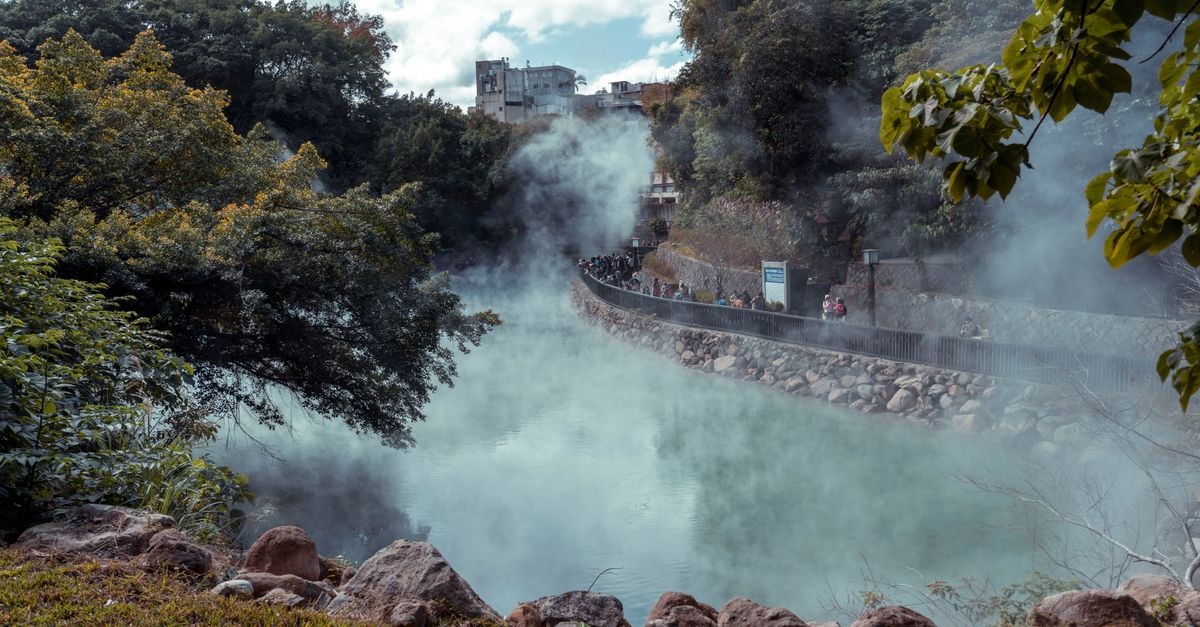
For travelers curious about what lies beneath the surface, the Hakone Geo Museum offers a window into the volcanic landscape that gives the area its character. The museum explores the surrounding volcanoes and explains how the hot spring water that fills the town's baths is produced, tying the geology of the region directly to one of its best-known pleasures. It is a natural stop between outdoor viewpoints and a relaxed afternoon in town, especially on days when the weather makes a high-altitude viewpoint less appealing. Visitors planning a visit should check current opening details with official sources before traveling.
Food and Local Context
Hakone sits in a setting where mountains meet nearby coastal lowlands, and the local cuisine reflects that blend of land and sea. The region's food scene leans on fresh, seasonal ingredients and on dishes that suit a day of sightseeing, whether you are sitting down for a long lunch or grabbing something quick between connections.
Around the lake and in the upper villages, visitors will find a mix of casual dining rooms and more formal Japanese restaurants serving traditional washoku alongside teppanyaki counters. Named options in the area include Togendai View Restaurant overlooking the lake, the modern ITOH DINING by NOBU teppanyaki concept, Washokudo at the Hakone Sengokuhara Prince Hotel, the long-standing Yamazakura teppanyaki room at Hakone Hotel Kikka-so Inn, Ashinoko-chaya, and Youraku Japanese Style Cuisine at Hakone Akakura. These sit alongside ryokan kitchens where kaiseki menus turn a stay into the meal itself, and tea houses that suit a pause on a walking afternoon.
A Final Note Before You Go
A good Hakone day tends to follow the geography: start low in Hakone-Yumoto, climb by mountain train, settle into lakeside time around Lake Ashi, and finish with a soak or a museum visit as the light softens. The transport system is built for this kind of layered day, and the food scene gives plenty of reasons to linger between movements. Because schedules, prices and museum hours can shift, treat the details above as a starting point and confirm anything specific through official channels closer to your visit. With that little bit of pre-trip checking, Hakone offers one of the most rewarding slow-travel days you can have within easy reach of the capital.
Share this article
TOOLS FOR THIS PLAN
Make the Hakone plan measurable
Choose a tool only when it answers the next question in your trip. Your values stay in the browser, and each tool offers a route back to this planning context.