A first look at Hamburg

Hamburg has a way of pulling you toward the water before you've even dropped your bag. The city is often described as one of Europe's most appealing urban areas, carrying a maritime character and a cosmopolitan outlook shaped by its long history as a Hanseatic port. You feel it in the rhythm of the place: ferries crossing the Elbe, the light shifting over the canals, and a downtown that opens unexpectedly onto the Inner Alster lake, framed by the silhouette of the Rathaus and the city's grand boulevards. It is the kind of city that rewards travelers who like their days to breathe a little, with time for slow coffee and long waterside walks between the bigger sights.
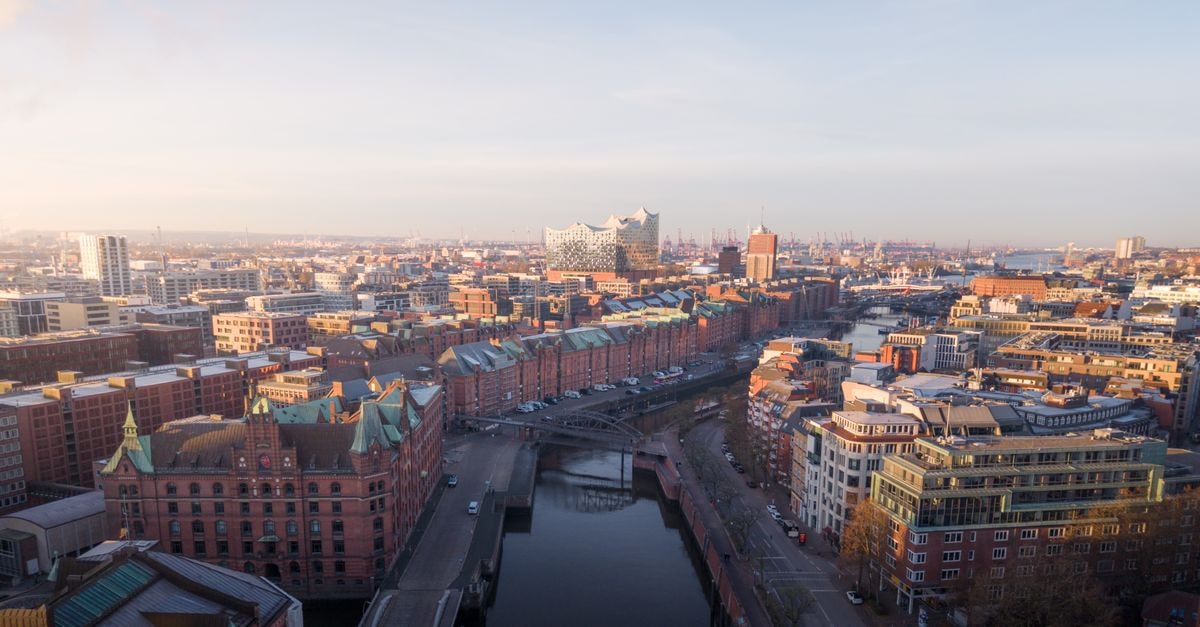
If your travel style leans toward cities with a sense of space and a working waterfront, Hamburg can suit you well. The skyline has the unmistakable look of a place built around ships, warehouses and trade, and yet the green edges around the Alster keep the center from feeling dense. That balance between harbor energy and parkland quiet is part of what makes a visit here feel unhurried, even in the middle of a sightseeing day.
Getting around
Hamburg's transport network is built for visitors who want to move between harbors, the old town and leafy residential pockets without overthinking the day. The official Hamburg tourism office is the natural starting point for maps, route planners and current information before and during your trip, and it remains the cleanest place to confirm timetables, ticket options and any service updates while you're in the city.
Because much of Hamburg's appeal lies along the water, it helps to think of your day in arcs rather than tight loops. Mornings often work beautifully around the Inner Alster and the Rathaus, where the light catches the facade of the town hall and the lake sits just a short stroll away. From there, the city's tram, bus and U-Bahn connections can carry you down toward the harbor districts, and the same network brings you back to quieter neighborhoods for the evening. Travelers who enjoy seeing a city by water may want to plan at least one longer ride alongside land transport, since Hamburg's identity is so tied to its rivers and canals.
A few habits tend to make getting around smoother. Pinning your hotel near an S-Bahn or U-Bahn stop gives you flexibility in every direction, including evening returns from the harbor. Walking is genuinely rewarding between the Alster and the Speicherstadt, where the warehouse streets are compact enough to explore on foot. For longer harbor crossings, the HADAG ferries are part of the local transport network and integrate with regular tickets, which means you can treat the water as part of your route rather than a separate excursion.
Hamburg's maritime character
The maritime charm that the city is known for is not just a backdrop; it shapes how a day is put together. Hamburg grew up around trade, and the warehouses, canals and quaysides still carry that story in brick and water. Walking through the old warehouse district, you move between bridges and basins that were once stacked with goods from across the world, and the architecture rewards slow looking.
A useful rhythm is to pair one indoor or harbor-front stop with one stretch of open water or parkland. The Inner Alster is the city's green centerpiece and works well as a place to pause between heavier sightseeing blocks; the outer Alster, larger and ringed by villas and gardens, invites longer walks. If you prefer your waterfront with a little more industrial atmosphere, the harbor area around the Elbe offers a more working-port feel, with views that stretch a long way down the river.
Attractions and planning
The Binnenalster and Rathaus area is a natural anchor for a first visit, and is often the image that travelers carry away from Hamburg: the Inner Alster mirror-still in the early morning, the Rathaus rising opposite, and the city unfolding around them. This single sight absorbs a good part of the central sightseeing list, and it's the place where short walks turn into long ones without you noticing.
When planning around key attractions, it helps to know how the city organizes movement around its busiest districts. Departures from the central harbor area are routed via Raboisen and Glockengießerwall, and these streets are part of the everyday flow that visitors move through when heading between the Speicherstadt, the Rathaus side and the broader transport network. Treating them as landmarks rather than obstacles makes navigation feel more intuitive, especially on a first day.
Hamburg's green reputation, sometimes described as one of Europe's greenest cities, is felt most directly around the Alster and in the parks and gardens threaded through the residential quarters. Travelers who like to mix culture with outdoor time can shape a day around short indoor stops and longer outdoor stretches, rather than packing a strict list back to back. If you enjoy gardens and waterside paths, this balance can feel like the most natural way to experience the city.
Choosing what fits your trip
If your priority is harbor atmosphere, consider building your days around the Elbe and the Speicherstadt, with the Alster reserved for slower mornings. Travelers who prefer urban architecture and grand civic spaces may find that anchoring at the Rathaus and Inner Alster, with smaller harbor visits, fits better, since the central sights are close together and easy to reach on foot. Garden lovers can lean into the Outer Alster and the city's parkland, using public transport to skip quickly between waterside, woodland and residential green. Harbor views tend to work best when you ride the ferries early or late in the day, when the light is softer and the quays feel less busy.
A note before you go
Travel details can change, and the official Hamburg tourism office is the most reliable place to confirm current transport information, ticketing and any temporary changes to harbor routes or central streets. Factual conditions on the ground may shift between planning and arrival, so a quick check before each outing is a small habit that pays off in a city as active as this one.
Prices, opening hours, schedules, reservation rules, and local conditions can change; verify them through official channels before departure.
Share this article
TOOLS FOR THIS PLAN
Make the Hamburg plan measurable
Choose a tool only when it answers the next question in your trip. Your values stay in the browser, and each tool offers a route back to this planning context.