A quiet capital wrapped in hills

There is something unhurried about reaching a small Swiss cantonal capital by train. Herisau sits in a lovely hilly landscape in the Canton of Appenzell Ausserrhoden, and with around 55,585 residents it is the largest municipality in its canton (F4-2). That is small by Swiss standards, but it gives the town a comfortable scale where you can wander without a checklist and still feel the pull of the surrounding countryside.
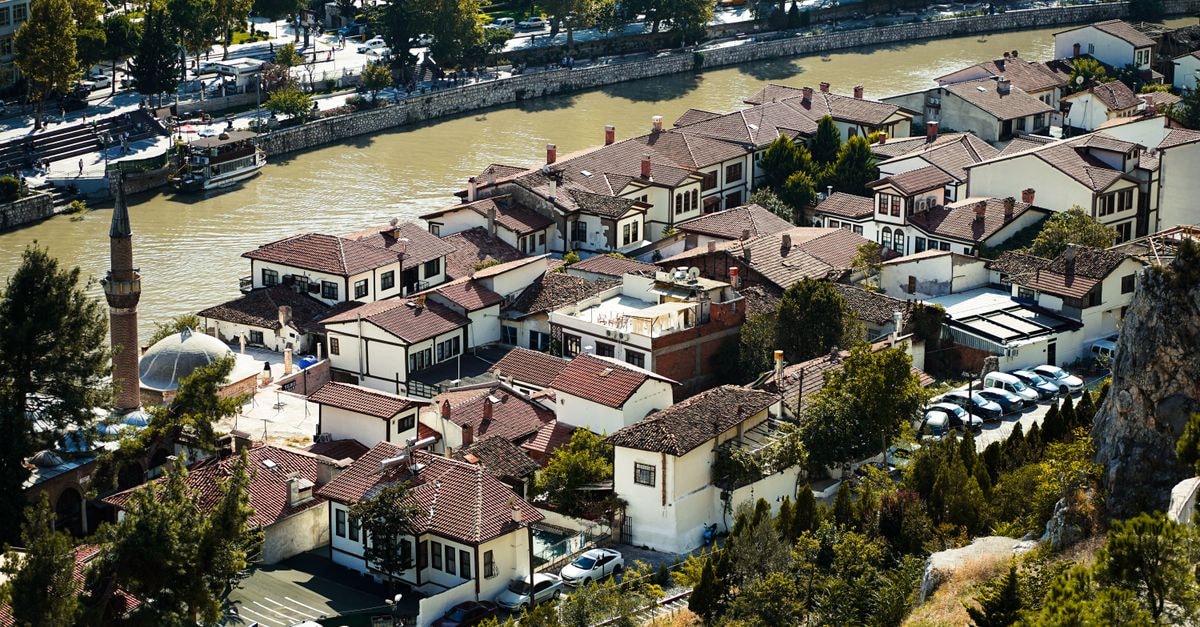
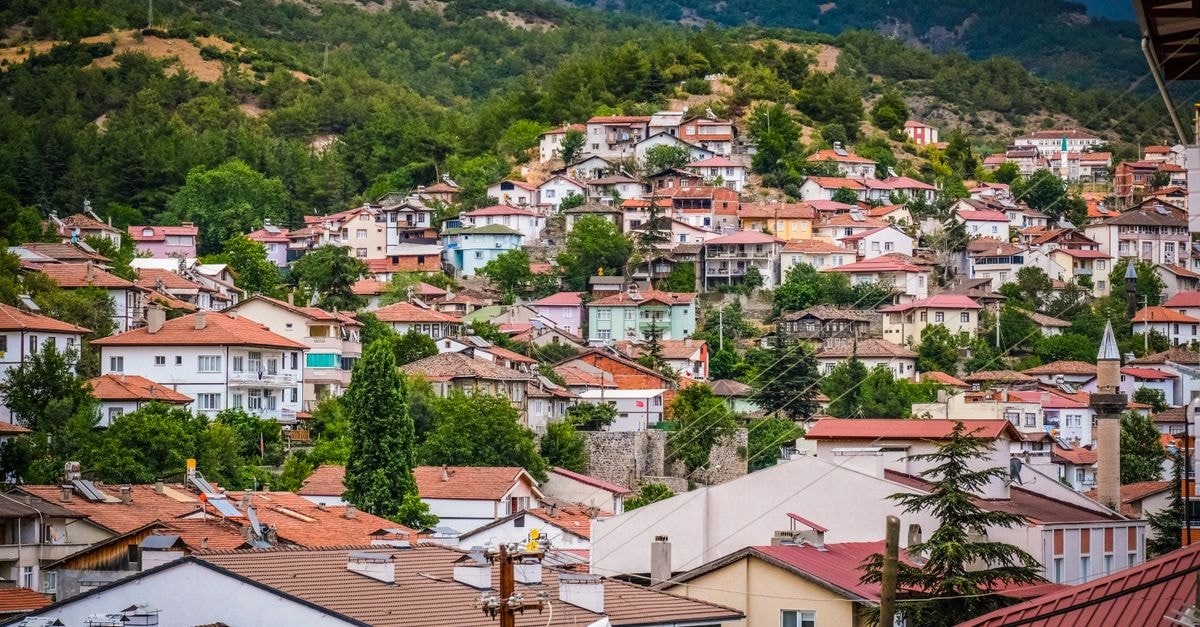
The first impression is the view. Herisau is nestled in rolling terrain, and the broader Appenzellerland region beyond it is known for sweeping mountain scenery (F2-1). You do not need to be a hiker to appreciate this; even a slow morning walk from the station into the older streets lets the green folds of the landscape drift into view between buildings. If you like destinations that read as lived-in rather than stage-managed, Herisau rewards that kind of attention.
German is the principal language here, as it is across the canton (F4-2), so a few words of German or a translation app will smooth everyday encounters. The pace is relaxed, the population is modest, and the mountains are the constant companion that gives the town its shape.
Getting around
Herisau sits within a regional transport network that makes short Swiss trips easy, even though the town itself is best explored on foot. The capital status within Appenzell Ausserrhoden means it is a natural base whether you are arriving from elsewhere in Switzerland or simply moving between nearby Appenzellerland villages (F4-2). Local streets are calm and walkable, and the hilly setting rewards travelers who like to look up at the ridgelines rather than rush between sights.
If your trip leans toward scenic rail journeys, Herisau functions well as a small, restful stop rather than a transport hub to power through. The Appenzellerland surroundings are described by regional tourism sources as offering sweeping views across the mountains around Herisau (F2-1), so consider planning your day so that any travel between villages happens in daylight, with a comfortable window for a slow coffee or a quiet viewpoint on either side. Travelers who prefer not to rely on taxis or rental cars for short hops will likely find the combination of walking and regional rail comfortable.
Choosing what fits your trip
The clearest tradeoff in Herisau is between stillness and scope. The town is small, hilly, and shaped by its role as the cantonal capital, so travelers who want a quiet base with mountain views and a sense of everyday Swiss life will likely feel rewarded, while those hoping for a dense, sight-packed city break may want to combine Herisau with a larger Swiss city elsewhere on the itinerary. If hiking or scenic rail rides are a priority, the surrounding Appenzellerland landscape offers the most memorable payoff; if your interest is more in institutions, schools or longer-stay logistics, the cantonal capital status and its public and international schooling options add a practical layer (F4-2). For food, expect German-Swiss plates framed by the wider four-region Swiss culinary map rather than a single local signature (F7-1).
A note before you go
Factual details such as transport timetables, opening times, prices, and on-the-ground conditions can change, and the evidence available here supports a broad picture rather than live confirmations. If you need a specific train connection, a current opening time, or a confirmed menu detail for a particular day, it is worth checking with the relevant operator, the local tourist information point, or the restaurant itself before you travel. Rates and fees, when relevant, should be cross-checked at the live source rather than assumed from any general guide.
Prices, opening hours, schedules, reservation rules, and local conditions can change; verify them through official channels before departure.
Share this article
TOOLS FOR THIS PLAN
Make the Herisau plan measurable
Choose a tool only when it answers the next question in your trip. Your values stay in the browser, and each tool offers a route back to this planning context.