A first impression of Ho Chi Minh City

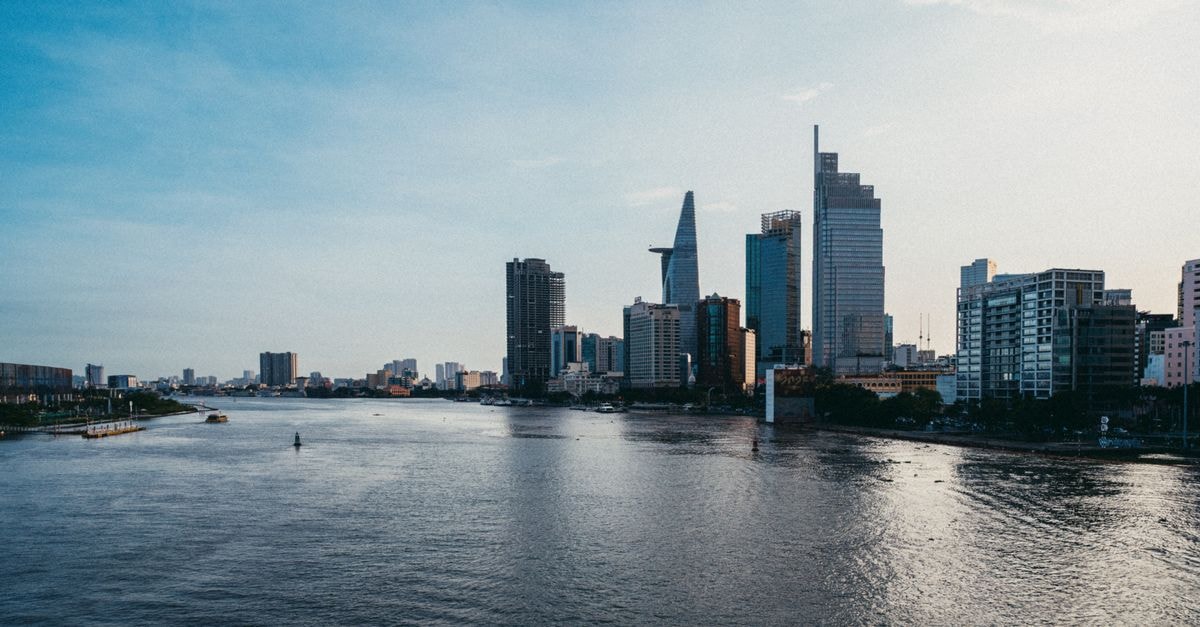
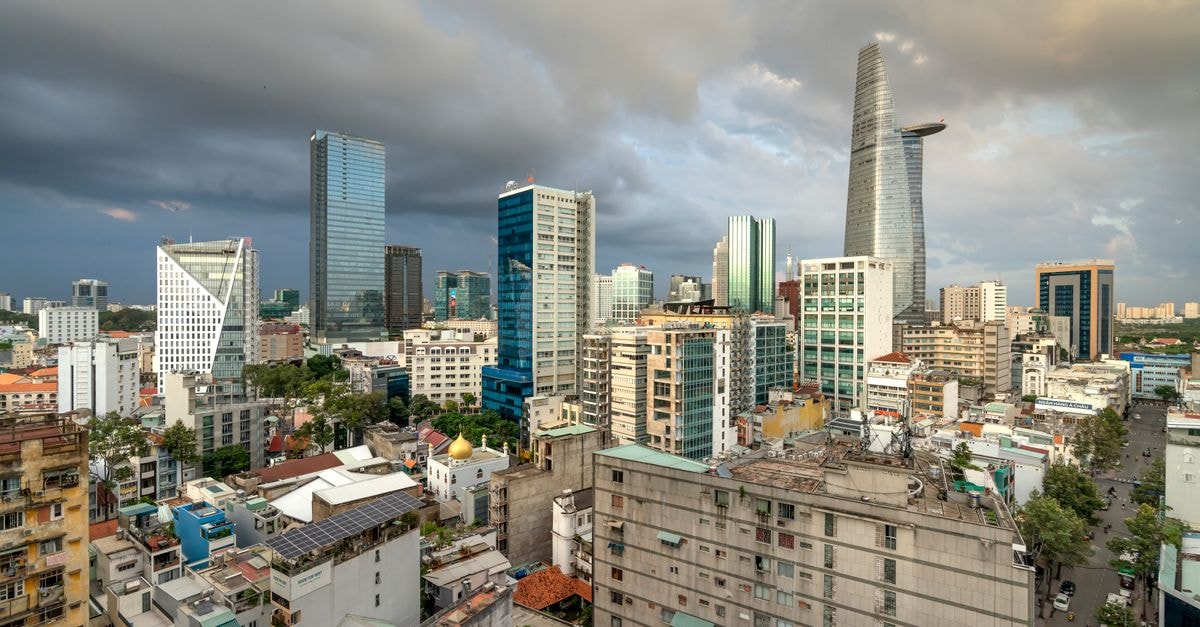
Ho Chi Minh City has the particular energy of a place that never quite settles down. Motorbikes thread through wide boulevards, café terraces spill onto pavements, and the skyline is a layered mix of French-colonial façades, modern towers, and low-slung neighbourhood markets. Travelers often arrive expecting a capital and instead meet a working southern gateway, the kind of city where trade, street food, and daily commuting set the rhythm more than monuments do.
That rhythm is shaped, in part, by where the city sits on the map. As one of Vietnam’s most active southern gateways, Ho Chi Minh City stays warm throughout the year, so packing for heat and humidity is a baseline rather than a seasonal decision. The real shift comes from rainfall and humidity, which can move between a calmer dry stretch and a wetter, heavier stretch across the calendar.
Weather and seasonal context
Talk to anyone who has spent time in southern Vietnam and they will describe Ho Chi Minh City’s weather in two acts rather than four. The dry season tends to feel lighter and more comfortable for long walks and outdoor sightseeing, while the rainy season is noticeably wetter and more humid, with short, heavy showers a common feature of the day.
The wider window to be aware of runs from roughly May through October, which is often described as the more humid and rainier stretch of the year. That does not mean travel is off the table; it means pacing the day differently. Mornings are typically the most usable window for outdoor plans, with cloud cover and rain often building later. Travelers who build flexibility into their itinerary tend to find the city more forgiving than they expected.
Because the city stays warm year-round, lightweight clothing, a compact rain layer, and breathable shoes cover most needs. The takeaway for any traveler is less about chasing a perfect forecast and more about matching daily plans to a weather personality that is reliably warm and reliably changeable.
Getting around
Movement is part of the experience here, and two practical options sit at the centre of most independent itineraries.
Public buses are an affordable and immersive way to see the city. They are also a way to see the everyday choreography of Ho Chi Minh City up close: how commuters move between districts, how the urban fabric changes block by block, and how a single ride can carry you past a temple, a market, and a glass-fronted office tower in the same stretch. For travelers who like a slower, more observational pace, buses are often the most rewarding mode.
For longer journeys, the primary intercity train station is Ga Sài Gòn. Travelers continuing on to other destinations will find it as the main departure point for rail connections out of the city, and it is also a useful landmark for orienting plans around. Knowing where Ga Sài Gòn sits in the transport picture helps with routing decisions, even for visitors who are not personally boarding a train.
A grounded approach to moving around Ho Chi Minh City is to layer the modes: walk the neighbourhood scale, use buses for cross-city movement, and treat the central station as a reference point for anything that leaves the city behind.
Attractions and planning
The city’s sightseeing is anchored by sites that connect modern Vietnam to its more recent past. The most recognizable of these is the Cu Chi Tunnels, an extensive underground network that served as a base of operations during the Vietnam War. Today the tunnels function as a destination where visitors can learn about wartime history, see the scale of the network that was dug by hand, and understand how daily life was reorganized around them for long stretches of the conflict.
Planning a visit to the Cu Chi Tunnels usually means allowing a half-day block, since the site sits outside the dense central districts. Travelers who are curious about how Ho Chi Minh City’s present connects to its twentieth-century history often find this a natural anchor for a longer stay, pairing the experience with slower neighbourhood wandering on the days around it.
More broadly, a useful planning frame for Ho Chi Minh City is to balance one major historical or landmark visit with several days of unstructured time. Café stops, market wandering, and watching how the city moves at different hours tend to fill in the picture that guidebooks leave open.
Putting it together
Ho Chi Minh City rewards travelers who treat the climate as part of the trip rather than an obstacle. Build outdoor plans around the cooler, drier parts of the day, keep a rain option in your back pocket, and choose a base that lets you walk to nearby streets as well as catch a bus further afield. For longer routes out of the city, orient yourself around Ga Sài Gòn so that rail and bus connections feel like a natural extension of your stay rather than a separate logistical task.
Verification note
Travel conditions can change, and details such as schedules, operating hours, and entry arrangements should be confirmed through official transport and tourism channels before departure. The guidance here is meant as a steady, evergreen frame for planning a visit, with the understanding that the live picture on the ground is the one that ultimately matters.
Prices, opening hours, schedules, reservation rules, and local conditions can change; verify them through official channels before departure.
Share this article
TOOLS FOR THIS PLAN
Make the Ho Chi Minh City plan measurable
Choose a tool only when it answers the next question in your trip. Your values stay in the browser, and each tool offers a route back to this planning context.