A district shaped by stories and streets

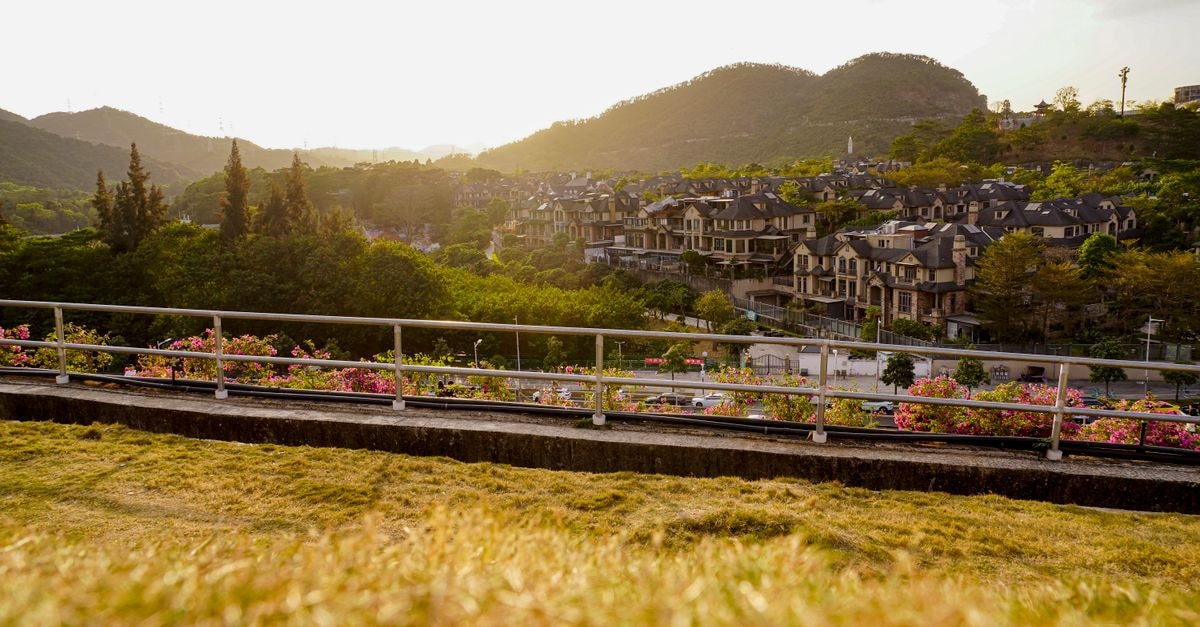
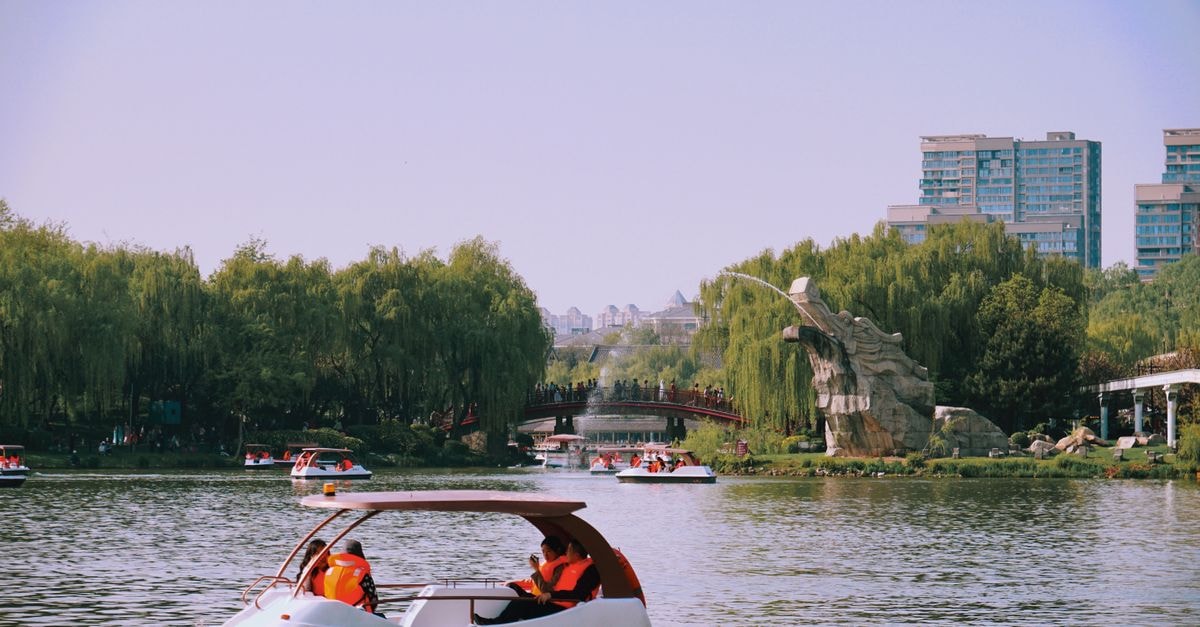
Huangpu sits at the historic heart of Shanghai, and even a short wander through the area can feel like stepping between scenes from different eras. The district is known for its rich mix of culture and commerce, a quality that quietly shapes the rhythm of the streets, the look of the waterfront, and the small details travelers tend to notice in passing. That blend is also what gives the area its cinematic charm: shopfronts tucked into older lanes, the gleam of modern towers behind them, and the kind of street life that invites a slow afternoon rather than a rushed checklist. If you prefer places where everyday commerce and cultural texture share the same pavement, Huangpu may suit that kind of pace.
This guide keeps the focus on two threads the evidence supports clearly: how the district's character translates into getting around, and how wider Chinese food culture can shape the way you think about dining while you are here.
Getting around
The district's character as a meeting point of culture and commerce is visible in the everyday ways people move through it. Because the area blends older lanes with the riverfront skyline, walking is often the most rewarding way to take in the layered streetscape that visitors come for, especially if your route links a heritage block, a riverside viewpoint, and a modern plaza in a single afternoon.
Huangpu is also a useful base for noticing how Shanghai's wider transport network meets the district. Metro lines, buses, and river crossings all converge here, so once you are on foot in the district, you are usually close to a station that can take you onward to other parts of the city without a long transfer. If you prefer to keep your day flexible, consider basing yourself near a metro stop and treating the riverfront and heritage lanes as walking territory, with the metro as your reset between longer stretches.
One practical note: the district's reputation for cinematic scenery comes partly from its photographic contrast of old and new, so carrying a light camera or keeping your phone charged can make the walking stretches feel more rewarding, particularly near the river.
Food and local context
While you are in Huangpu, what you eat will naturally be shaped by wider Chinese food culture rather than by a single local specialty. Understanding that wider context can help you read menus and choose where to sit down with more confidence.
China is home to eight major regional cuisines, each with its own distinct characteristics. Knowing which broad style a restaurant leans toward can help you set expectations before you order, especially when menus are in Chinese or feature dishes you do not recognize. Travelers who like to plan their meals around a theme may want to identify the cuisine style first and then pick the venue, rather than choosing a venue first and hoping the menu matches.
Chinese food culture more broadly is described as a rich tradition of diversity and balance in cuisine. That balance idea is a useful frame for travelers: many meals are designed to mix textures, flavors, and cooking methods on the same table, so sharing a few smaller dishes often gives a fuller sense of a cuisine than a single large plate. If you prefer variety at one sitting, consider ordering a spread of two or three smaller dishes per person instead of one main each.
Chinese regional cuisines are also a testament to the country's culinary diversity. That diversity means the same dish name can taste very different from region to region, and even from restaurant to restaurant within the same city. Travelers who enjoy comparing flavors may want to try the same broad style of dish at two different venues during their stay, rather than treating the first plate as the final word on a cuisine.
A short note on etiquette: because the food context is national rather than city-specific, dining customs you read about for China may apply in Huangpu, but local habits can vary by venue. If a custom matters to you, consider asking the staff or following what your tablemates are doing.
What fits your trip
Because the evidence here is limited to getting around and food culture, the most useful way to plan is to keep the experience simple. If your priority is photography and slow street-level wandering, a walking-forward day with the metro as backup will suit Huangpu well, since the district's blend of culture and commerce is best appreciated at sidewalk pace.
If your priority is food, think in terms of cuisines rather than restaurants. Decide which of the broader Chinese styles you want to explore, look for a venue that leans that way, and order with sharing in mind to experience the balance that defines Chinese dining. Travelers who prefer to dig deep into one style may want to revisit the same cuisine across a couple of meals, while travelers who prefer variety may want to sample several styles over the trip.
If you would like a mix of both, consider anchoring your day around one walking stretch in the district, then choosing a meal based on which cuisine you have not yet tried.
Before you go
Specific conditions in Huangpu can change, so it is worth checking official transport and tourism channels closer to your visit for the latest details on stations, river crossings, opening arrangements, and any seasonal notices that might affect your day. Currency, ticket, and timetable details should always be confirmed on the day, and rates should be treated as a reference only.
If you have a specific concern that shapes how you plan, such as how much walking is comfortable for you or which regional cuisine you most want to try, consider noting that question before you arrive so you can ask local staff or your hotel directly.
Prices, opening hours, schedules, reservation rules, and local conditions can change; verify them through official channels before departure.
Share this article
TOOLS FOR THIS PLAN
Make the Huangpu plan measurable
Choose a tool only when it answers the next question in your trip. Your values stay in the browser, and each tool offers a route back to this planning context.