A First Glance at Hubballi

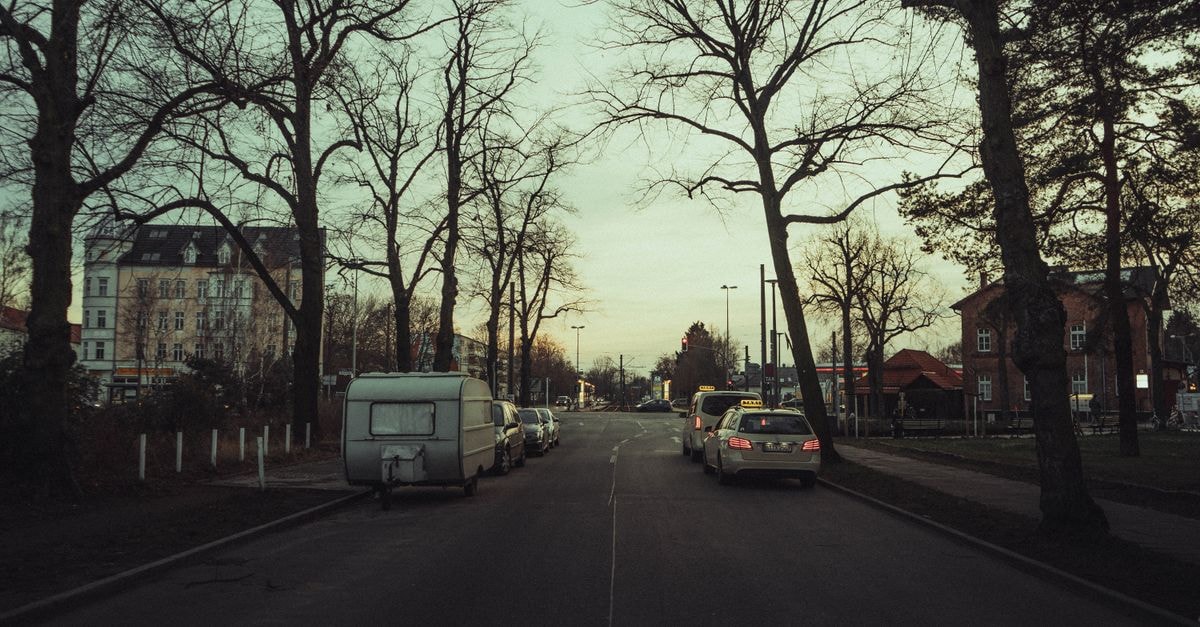
There is something quietly compelling about arriving in a city that most travellers only know as a junction on the way somewhere else. Hubballi, paired with its twin Dharwad, sits in North Karnataka as a buzzing commercial centre where industry and older traditions share the same streets. The mix is part of its appeal: you arrive expecting a business hub and find eclectic markets, historic temples, and the easy rhythm of a place that has long served as a gateway to North Karnataka's heritage sites. It is the kind of city that rewards visitors who give it a full day rather than treating it as a stopover, and that is the spirit this Hubballi travel guide is written in.
Weather and Seasonal Context
The most honest thing to say about Hubballi's climate is that the city invites a slow morning pace. A classic exploration day is often built around unhurried beginnings, the kind where a leisurely stroll and a paddle on Unkal Lake can catch the early-morning mist still resting on the water. That kind of start works because it leans into how the city can feel in the cooler hours, before the day opens up and activity shifts indoors or into shaded streets.
Visitors who arrive from elsewhere in Karnataka often speak of the city in two halves: the lively commercial core and stretches of green that bring you close to nature. Hubballi is described as the fastest-growing city in North Karnataka, and part of that growth is visible in how quickly you can move between a lakeside walk, a temple visit, and a long lunch. The point is not to chase a checklist but to let the city settle into a comfortable rhythm, knowing that a temple town nearby and North Karnataka's wider heritage sites begin here.
When planning a visit, it helps to think in terms of season rather than a single weather window. Summers can be hot and winters are cool, so packing with that range in mind is more useful than packing for a specific temperature. Light cottons for the warm stretches, a light layer for cooler evenings, and breathable walking shoes will cover most situations. Stay hydrated as you move between neighbourhoods, and keep snacks handy if your day is likely to stretch across temple visits and market browsing, as the distances between highlights can be deceiving.
Getting Around and the Gateway Feel
Hubballi is a city you experience on foot in pockets and by road between them. The compact areas around its markets and temples reward walking, especially in the cooler hours, while the wider spread of attractions and the routes out toward North Karnataka's heritage sites are best handled with some form of local transport. The twin-city relationship with Dharwad also shapes how people move around, with travellers often treating the two as a single base.
Because Hubballi functions as a gateway to North Karnataka's heritage sites, the practical rhythm is to settle into a neighbourhood that suits your style, plan one or two anchor visits for each part of the day, and leave room for the unplanned stops that tend to appear in the markets and temple courtyards. This approach also helps with energy levels: a paced day means more time to actually notice the city's character rather than rushing from point to point.
Attractions and Planning Your Days
For visitors interested in heritage, the wider region around Hubballi holds some of the most important early temple architecture in India. Aihole, for example, is often referred to as the cradle of Indian temple architecture, and the numerous ancient temples found there attract history enthusiasts and travellers who want to understand the origins of the styles that later shaped much of the subcontinent. That kind of context reframes a Hubballi trip: the city is not only a destination in itself but also the natural starting point for understanding North Karnataka's temple story.
Back in the city, attractions tend to fall into two broad moods. The first is the lakeside and nature-leaning side, where Unkal Lake and similar green pockets invite a paddle-boat, a quiet walk, or simply a place to sit and watch the morning mist. The second is the heritage-and-spiritual side, centred on the historic temples that give the city much of its older character. A balanced day usually includes one of each, with a market browse or a slow meal bridging the two.
Planning a few practical habits will make those days smoother. Stay hydrated throughout, especially if you are moving between temple complexes and open-air sites where shade can be limited. Carry snacks for the journey, particularly if your plans include early starts or longer stretches between meals. Pack according to the season, with the understanding that Hubballi can feel noticeably warmer in the summer months and pleasantly cool in winter. These small adjustments do more for enjoyment than any detailed checklist.
A Note on Practicalities
A few general habits will serve any visitor well. Carry a refillable water bottle, plan your temple visits for the cooler parts of the day when possible, and build rest days into a wider North Karnataka heritage circuit rather than packing every temple complex into a single stretch.
Final Thoughts
Hubballi is at its best when treated as both a destination and a starting point. Spend a morning on the lake, a few hours in the temple quarters, and an afternoon browsing the markets, and you will leave with a clear sense of why the city has long been a crossroads for traders, pilgrims, and travellers. From here, the wider heritage story of North Karnataka opens up, but the city itself is worth slowing down for.
Travel conditions, prices, and local services can change, so it is always wise to confirm key details through official channels and trusted local sources before your trip.
Share this article
TOOLS FOR THIS PLAN
Make the Hubballi plan measurable
Choose a tool only when it answers the next question in your trip. Your values stay in the browser, and each tool offers a route back to this planning context.