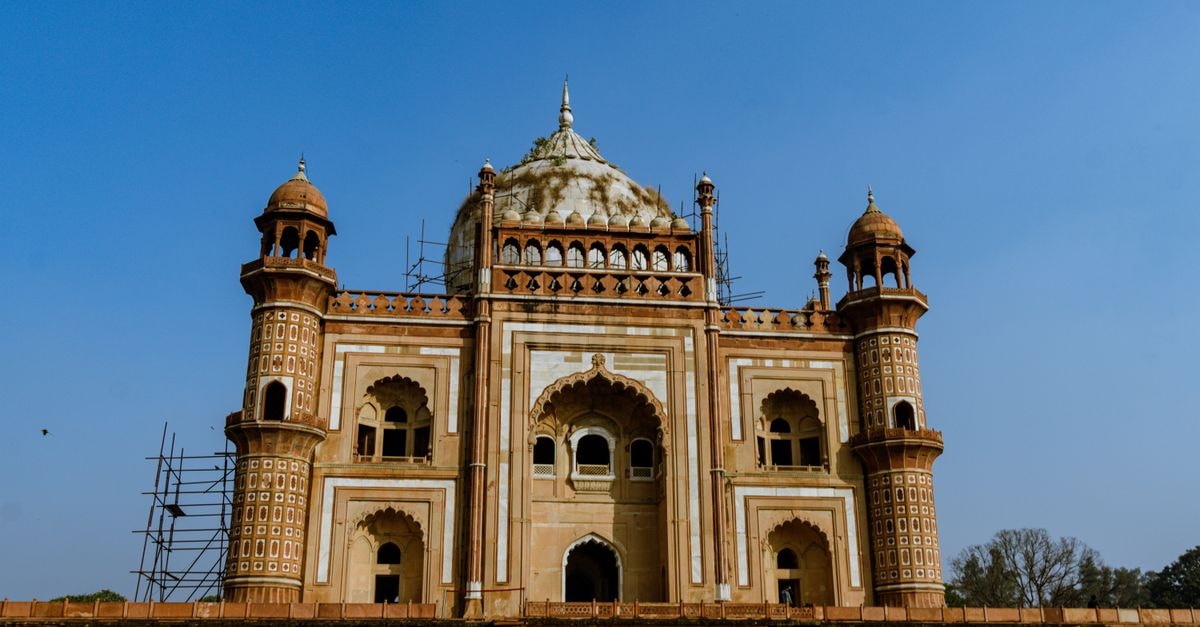
Huế sits quietly along the Perfume River in central Vietnam, carrying the weight of its past as an imperial capital with an unhurried grace. Travelers who arrive here tend to trade checklists for longer meals, slower walks, and conversations with the people who actually live in the city. This guide is written for visitors who want to understand what makes Huế feel the way it does, especially through the lens of its food culture and the wider seasonal rhythm that shapes any trip.

The feel of Huế, in context
Huế carries the imprint of its history as a former imperial capital, a heritage that shows up not just in architecture but in the way dishes are prepared and served. That elegance still runs through the city's everyday life, even when the setting is a humble street stall rather than a palace courtyard. Understanding this background helps frame everything that follows, from how menus are structured to why certain snacks are served in tiny, deliberate portions.
The rhythms here are gentle rather than rushed. Mornings tend to gather around markets and river views, afternoons settle into slow meals, and evenings drift toward family kitchens where recipes have been handed down for generations. Approaching the city with that pace in mind tends to reward visitors with a much fuller picture than a fast, attraction-by-attraction sweep.
Weather and seasonal context
Huế's weather shapes the entire travel experience, and it helps to walk in with the wider seasonal picture in mind before locking in plans. Locals and repeat visitors often point to a particular stretch of the year, generally February through April, as the most comfortable window for travel, thanks to a softer mix of temperatures and rainfall. Outside of that stretch, conditions can lean wetter and more humid, with periods of heavier rain that can shape how you spend your days.
Rather than trying to outrun the climate, it can help to lean into it. Wet periods invite slower indoor meals, longer market visits, and the kind of unhurried café mornings that suit Huế's pace. Travelers comfortable with rain-friendly planning often find that the city's indoor food culture and sheltered spaces remain rewarding, even when the weather does not cooperate. A reasonable approach is to dress for humidity, plan around rain rather than around it, and leave room in the schedule for quiet hours indoors.
Because conditions can shift from year to year, it is worth checking a current forecast closer to the trip rather than relying on any fixed expectation. The city rewards flexible planning more than rigid scheduling.
Food and local context
Food sits at the center of any honest Huế story. The city's culinary identity grew from its role as a former imperial capital, an era that fostered an elegant array of dishes that continue to be the pride of its people. That sense of refinement shows up in the care given to presentation, the small portions designed to be savored slowly, and the pride vendors take in explaining what is on the plate.
The best way to get to the heart of Huế's tremendous food culture is to take to the streets. Street stalls and small family-run kitchens are not just budget options here; they are often the most authentic expression of local cooking. Vendors tend to specialize, meaning a single morning can turn into a tasting crawl across several stands, each one doing a few things exceptionally well rather than serving a generic all-purpose menu.
Markets are a natural starting point, both for the atmosphere and for the way they reveal what the city actually eats. Dong Ba Market is a well-known place to wander and take in the local produce scene. The stalls work as a teaser for what is cooking in the city, a way to see the ingredients before they appear on the plate. Beyond the produce, these spaces are where visitors tend to get their first encounter with the snacks that define a Huế morning.
Speaking of snacks, the city has a much-loved tradition of small, deliberate bites. Dishes such as **Bánh Khoai** and **Bánh Bèo** show up again and again on local lists for good reason. These are not just quick fillers; they are part of the city's culinary vocabulary, with regional variations that reward attention. The best approach is to treat them as a tasting menu across a morning or afternoon rather than a single meal.
A useful mindset is to let the day organize itself around food the way locals do: a light breakfast of small snacks, a longer midday meal at a favorite stall, market wandering in between, and another round of eating in the late afternoon or evening. This rhythm tends to feel more natural than slotting Vietnamese food into a standard Western meal schedule.
How to approach eating like a local
Travelers who want a more grounded experience tend to follow a few simple habits. Ordering what the people at the next table are eating is usually a safer bet than scanning for familiar dishes. Pointing, smiling, and asking the vendor what is freshest often gets you the best of what's available that day. Showing up when stalls are busiest is another reliable signal; peak hours rarely lie about quality in a city with this much food culture.
It also helps to slow the pace. Huế's portions are often small by design, meant to be paired and shared rather than eaten alone in one sitting. Building an afternoon around two or three different stops, with a drink in between, usually produces a richer picture of the city than settling in for a single long meal. The goal is not to eat more but to taste more.
Staying flexible and checking details
Even with the best planning, conditions can shift. Weather patterns, market hours, and small vendor schedules vary, and it is always wise to confirm details close to the trip rather than relying on any fixed assumption. Speaking with hotel staff, guesthouse hosts, or local friends usually surfaces the most current information about where to eat and how to plan around the day.
Travelers who build slack into their plans tend to enjoy Huế the most. There is something fitting about that for a city whose imperial past taught it the art of taking things slowly, and whose kitchens still encourage visitors to do exactly that.
Prices, opening hours, schedules, reservation rules, and local conditions can change; verify them through official channels before departure.
Share this article
TOOLS FOR THIS PLAN
Make the Huế plan measurable
Choose a tool only when it answers the next question in your trip. Your values stay in the browser, and each tool offers a route back to this planning context.