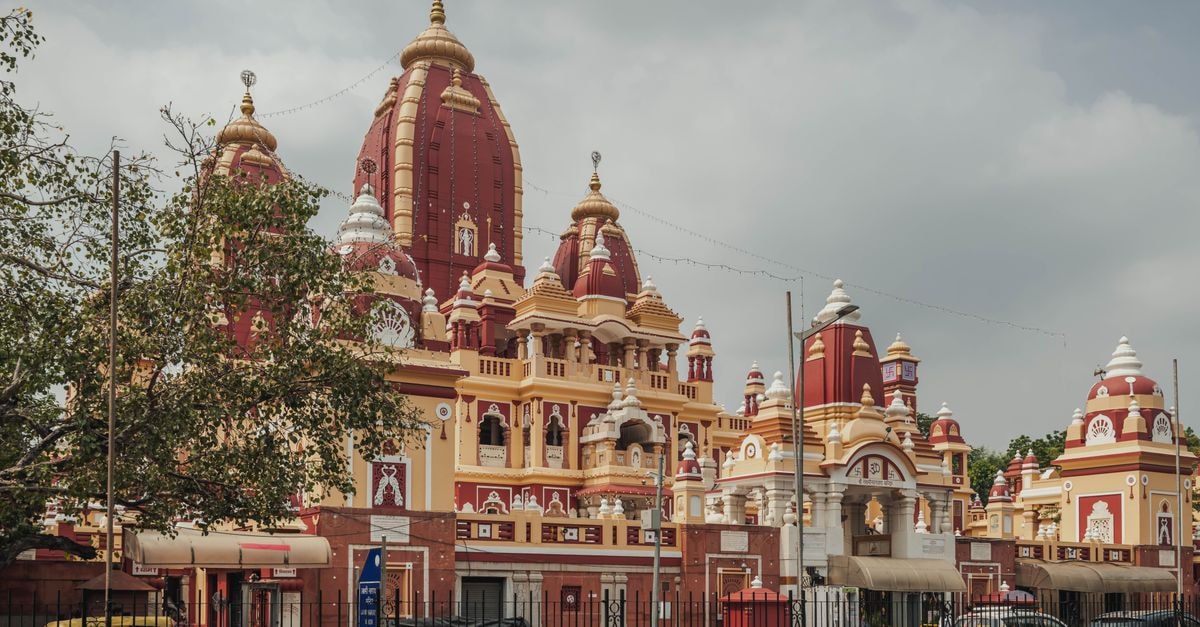
A city stitched from pearls and palaces

There is something quietly cinematic about arriving in Hyderabad. The city wears its nickname, the "City of Pearls," like an old heirloom, and the title itself is a kind of time capsule: it remembers when this part of the Deccan was the world's trading centre for Golconda diamonds and pearls, the kind of place where fortunes were measured in lustrous stones and the merchants who polished them.
What makes Hyderabad feel alive today is the way that regal past leans gently against the present. Its landmarks read like a story of Nizami grandeur, while its bazaars, kitchens, and conversations keep that story grounded in everyday life. For a traveller who wants to wander rather than tick boxes, this is a city that rewards slowness, curiosity, and a healthy appetite.
Below is an evergreen Hyderabad travel guide built around what is genuinely supported: the feel of the climate, the texture of its cultural pull, and the way the city invites you to move between its historical corners and its more contemporary rhythm.
Weather and seasonal context
Hyderabad sits on a plateau that gives it a generally warm-to-hot feel for much of the year. Rather than reaching for a thermometer, think of the city as one where lighter clothes, a reusable water bottle, and a few short breaks indoors are a wise default. Evenings in some stretches of the year can carry a slightly softer edge, which makes them a comfortable slot for slow walks or rooftop pauses.
Because climate can shift, and because what feels pleasant one afternoon can feel heavier the next, it helps to think in terms of pacing rather than promises. Carry a layer for air-conditioned spaces, plan the more ambitious outdoor wandering for early mornings or later in the day, and let yourself linger in the shaded lanes that wind through the older quarters.
The other side of the weather story is what Hyderabad does with it: the city turns its warm climate into a setting for long conversations over steaming plates, for evening strolls past illuminated monuments, and for the kind of outdoor theatre that only really works when the air is soft. Live stunt shows and themed sets, for example, are part of the wider entertainment and creative scene that visitors encounter here, and they sit naturally into an evening that begins to cool.
If you are someone who reads weather as mood rather than data, Hyderabad is a city whose warmth becomes part of the atmosphere. It colours the bazaars, softens the stone of its old forts, and gives the city its particular evening glow.
A city for food lovers and cultural explorers
Hyderabad has long been a magnet for anyone who likes to eat and ask questions. It is widely loved by food lovers and explorers of local culture, which means the pleasures here are split between what arrives on the plate and what unfolds on the streets, in the architecture, and in the small rituals of daily life.
The bazaars of the old city are a good place to start any cultural exploration. They are dense, fragrant, and full of personality: jewelers' windows glowing under warm bulbs, the metallic clink of bangles, the smell of roasting spices drifting out of small doorways. Even if you are not shopping, walking through these lanes is a way of stepping into the same kind of trading culture that once carried pearls and diamonds out of the region.
On the cultural side, the city has a layered identity that you absorb by moving through it. There is the monumental Hyderabad, with the Charminar and Golconda Fort as its most photographed anchors, and there is the lived-in Hyderabad, where neighbours greet each other over cups of chai and shopkeepers know regulars by name. The blend of royal heritage and modern innovation is what the city is best known for, and you feel it in the way heritage buildings sit comfortably beside tech campuses and contemporary neighbourhoods.
For a traveller, the practical takeaway is simple: plan a loose rhythm of one big historical moment in the morning (a fort, a monument, a museum courtyard), and one small, everyday moment in the afternoon (a lane to wander, a sweet shop to try, a courtyard to sit in). That contrast is the heartbeat of a Hyderabad visit.
Getting around
Hyderabad is large enough that getting around well is part of the experience. The city stretches from its iconic old quarters, with landmarks like the Charminar and Golconda Fort, out into wide contemporary avenues, and the easiest approach is to think in zones rather than try to do everything in a single straight line.
The old city, where the Charminar stands, rewards slow movement. Its lanes are narrow, its character dense, and the best way to read it is on foot, with the occasional auto or short cab hop between clusters of interest. Golconda Fort, set a little apart, is more comfortably reached with a vehicle, whether that is a ride-hail car, a taxi, or a pre-arranged driver for the day.
For the newer parts of the city, the rhythm changes. Roads are broader, distances longer, and air-conditioned vehicles feel less like a luxury and more like a sensible default. Many travellers find that basing themselves in one central neighbourhood and using rides for longer hops is the easiest balance, then switching to walking once they are inside the older parts of town.
A small piece of advice that saves real time: ask locally which side of the Charminar you are currently on, because the surrounding lanes can be disorienting on a first visit. With that mental anchor, the rest of the old city starts to make sense very quickly.
Practical notes for a smooth visit
A few evergreen pieces of guidance, drawn only from what is supported, to make a Hyderabad trip feel effortless:
- Treat the old city as a walking city. Wear comfortable shoes, carry a light scarf for sun or for stepping into air-conditioned rooms, and keep small change handy for chai stops and small purchases. - Match your pace to the climate. Schedule the more demanding outdoor time for early or later in the day, and use the warmer middle hours for meals, museums, or shaded courtyards. - Let the cultural side unfold naturally. The city is best for travellers who like to follow their curiosity into a lane they have not planned, rather than racing through a checklist. - Use vehicles for the longer distances, especially between the old city and Golconda Fort, and rely on your own two feet once you are inside a heritage cluster.
A final word before you go
Hyderabad has a way of becoming a favourite even for travellers who arrive without strong expectations. The combination of pearl-trading history, royal monuments, warm evenings, and a strong food culture gives the city a texture you remember long after you leave. Plan lightly, leave room for wandering, and let the City of Pearls do what it has always done: catch the light.
Factual travel conditions can change, so before departure it is worth checking official channels and current local guidance for the latest on transport, opening hours, and any local advisories.
Share this article
TOOLS FOR THIS PLAN
Make the Hyderabad plan measurable
Choose a tool only when it answers the next question in your trip. Your values stay in the browser, and each tool offers a route back to this planning context.