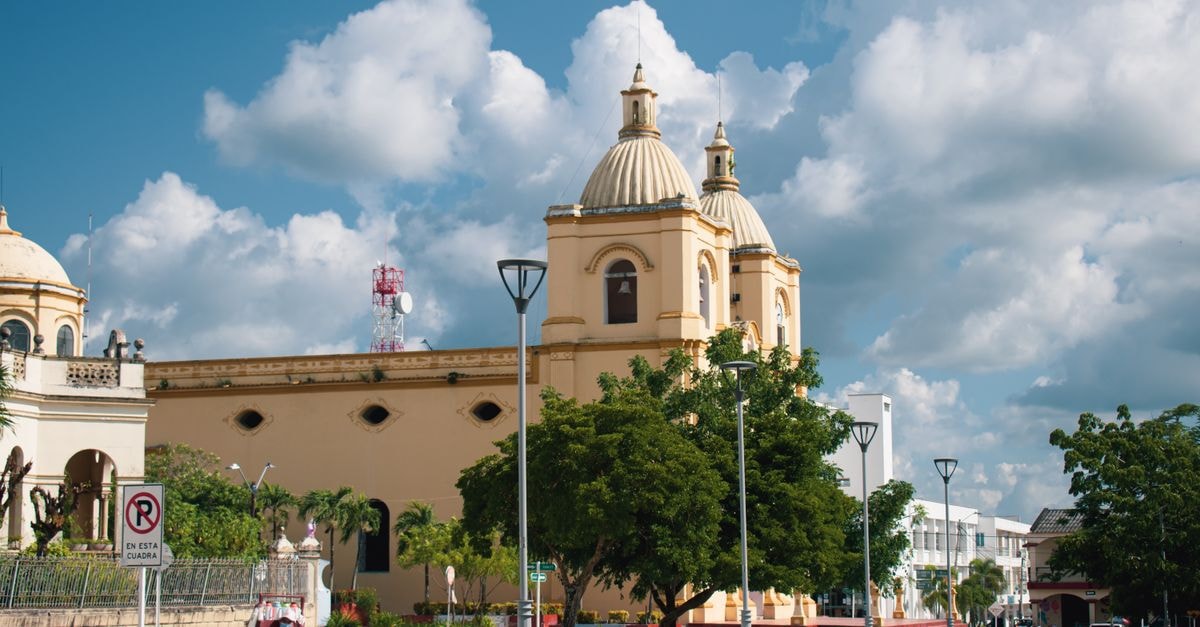
A slow Andean welcome

Tucked into the northern highlands of Imbabura, Ibarra carries the kind of unhurried charm that rewards travelers who prefer wandering to rushing. The city is known for its colonial architecture, scenic landscapes, and nearby outdoor adventures, which gives visitors a useful mental map before they even arrive: expect a tidy historic core, mountain light, and a surrounding valley that invites longer walks once the urban rhythm of the day gives way to quieter hours.
Because the approved background on Ibarra itself is relatively light, this guide leans on what is firmly supported: the city's identity as a colonial-and-landscape stop, how locals tend to move around it, and the wider Ecuadorian food culture that visitors may encounter while sitting down to eat in town. Treated as gentle context rather than hard promises, those three threads are enough to plan a meaningful visit without overstating what the evidence actually says.
Weather and seasonal context
The approved background describes Ibarra through its look and setting rather than through a thermometer, noting that the city is known for its colonial architecture, scenic landscapes, and nearby outdoor adventures. Read carefully, that single line tells travelers something practical even without a forecast: this is a place where the scenery is part of the reason to visit, and where the experience is shaped as much by light and altitude as by any single landmark.
For travelers, the most honest framing is to treat the climate as something you prepare for rather than pin down. In an Andean city of this kind, conditions can shift between bright midday sun, cooler shaded streets, and brisk evenings, so layering tends to serve visitors better than packing for one specific temperature. If you plan outdoor time, building a flexible day around how the weather actually feels in the moment is usually a smarter use of energy than committing to a rigid hour-by-hour plan.
Getting around
Local movement in Ibarra is straightforward, and the most specific piece of approved guidance relates to taxis. They are convenient late at night or for door-to-door trips, but always agree a fare or confirm the meter is used if the driver doesn't automatically start it. That single rule covers the situations most likely to cause small friction: late returns when other options are thin, and any trip where you want to be sure of the price before the door closes.
For a traveler, the practical read is to keep small local currency ready, especially for short rides and night use, and to settle the fare question out loud before the journey begins rather than at the end. Pairing that habit with a general willingness to walk the central streets during the day lets you experience the colonial core at street level, which is often where the small visual details of the city make the strongest impression. The same unhurried pace that suits the setting suits getting around it.
Food and local context
Ecuador's true identity lives in the small details, and food is one of the clearest places those details show up. A widely cited description of Ecuadorian culture notes that the country's character can be felt in moments such as the sound of a Kichwa lullaby sung over a Spanish waltz, the way Andean ponchos share space with coastal marimba drums, or the different words people use for the same cup of coffee depending on where you are. That is country-level context, not a recipe list, but it shapes how a visitor reads a menu in Ibarra: words and flavors may shift from valley to valley, and that variation is part of the experience rather than a complication.
A second piece of background pushes the same idea further. If culture is memory made edible, Ecuador's cuisine might be its most eloquent storyteller. The phrase is a reminder that everyday meals in Ecuador tend to carry meaning well beyond the plate, and that sitting down to eat is a way of engaging with place as much as refueling. Treated as nationwide context rather than a city specialty, that framing helps visitors approach meals with curiosity instead of checklist energy.
The factual record on Ecuador that supports these notes carries a recent verification stamp, which is reassuring for visitors who want to know the country-level description they are reading reflects current cultural framing. None of this evidence points to a specific Ibarra market, dish, or restaurant, and it would be a mistake to invent one. What it does support is the more useful travel habit of being open to local menus, asking what a dish is when the name is unfamiliar, and treating mealtimes as part of understanding the country you are moving through.
A few gentle travel notes
A handful of practical habits tend to serve visitors well in an Andean city like this without needing any extra claim of local expertise. Walking the historic center during the day lets you read the colonial architecture the city is known for, and gives you an easy sense of scale before deciding what deserves a closer look. Saving taxis for late nights, bad weather, or door-to-door trips with bags matches the approved guidance and avoids the small frustrations that come from over-relying on any single mode of transport.
On the food side, pairing curiosity with patience is usually the best approach. Regional vocabulary changes across Ecuador, and a dish that sounds familiar in one town may be served differently in another. Asking, watching, and being willing to try something you cannot fully translate is a more rewarding strategy than hunting for a fixed list of must-eat items.
Finally, treat this guide as a starting frame rather than a final brief. Factual travel conditions can change, opening hours and local services shift, and the most reliable current information will always come from official channels and on-the-ground sources checked before and during your trip. Use what is here to set expectations, then let the city itself fill in the details once you arrive.
Share this article
TOOLS FOR THIS PLAN
Make the Ibarra plan measurable
Choose a tool only when it answers the next question in your trip. Your values stay in the browser, and each tool offers a route back to this planning context.