Ifakara at a Glance
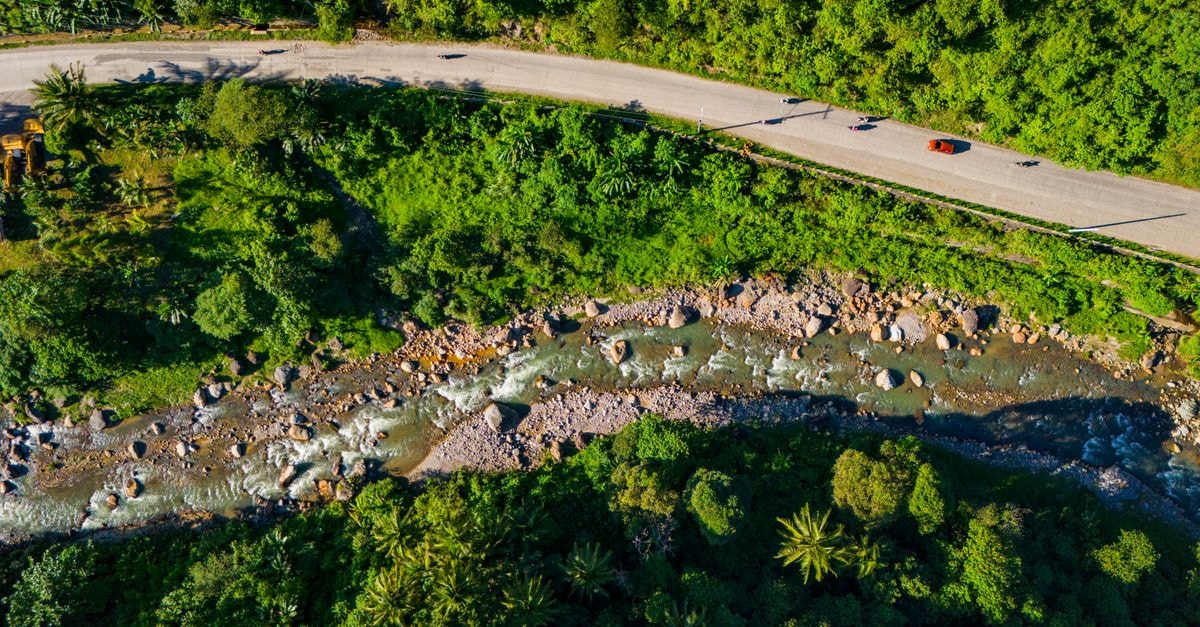
Ifakara is a charming town in southern Tanzania, set within lush landscapes near the Kilombero River. For travelers seeking a compact guide rather than a fixed itinerary, the essentials are simple: comfortable footwear for paths and trails, a sensible approach to getting around after dark, and an open-minded attitude toward Tanzania’s varied cultural traditions.
This guide focuses on those durable travel considerations. It does not set out day-trip plans or prescribe a length of stay; instead, it helps you decide how to explore the town in a way that feels comfortable and respectful.
Lush Settings and the Great Outdoors
Ifakara’s appeal begins with its green surroundings. The town is known for its lush landscapes and proximity to the Kilombero River, making it a natural fit for travelers who enjoy scenery and outdoor experiences. If you prefer a slower pace, consider building unstructured time around the riverfront and other outdoor settings rather than treating every day as a checklist of attractions.
Ifakara also serves as a gateway to Udzungwa Mountains National Park, an area noted for rich biodiversity and dramatic waterfalls. Although this guide does not turn that wider destination into a day-trip recommendation, knowing the relationship between Ifakara and the national park is useful when you are planning the purpose of your visit. If wildlife, waterfalls and mountain scenery are central reasons for choosing the region, you may want to research the park separately before committing to transport or an itinerary.
Comfortable shoes are worth prioritizing. They are especially useful when exploring riverside paths and trails outside town. Pack footwear that feels supportive enough for a full outing, rather than relying on a single polished pair for both town and trail.
Getting Around Ifakara
Walking may suit travelers who want to soak up local life. It can also let you notice the town at a human pace, with its streets and river setting becoming part of the visit rather than merely a backdrop. For travelers who like independent exploration, walking may suit a daytime plan centered on the center of town, while riverside paths and trails outside town offer another documented option to consider.
After dark, the transport advice is more cautious. Instead of walking late at night, use a boda-boda or taxi for the return journey. This is a practical adjustment for anyone who prefers the atmosphere of a walk during the day but would rather not continue on foot once visibility and traffic conditions change.
If you are traveling with heavy luggage, limited mobility or footwear that is unsuitable for paths, consider a taxi or boda-boda after dark. The evidence does not describe vehicle accessibility or the suitability of either option for every traveler, so confirm the practical details locally before relying on a particular mode.
Food, Hospitality and Cultural Context
Tanzania’s cultural story is broad and varied. The country is described as having vibrant cultures, rich traditions and a diverse ethnic heritage, with more than 120 ethnic groups. This wider national context provides useful background for travel in Tanzania, although it should not be treated as a single citywide custom or presented as Ifakara’s own defining cuisine.
If you are offered food or drink in a Tanzanian home, accepting it is considered polite; refusing hospitality can be perceived as rude. If you have dietary requirements, explain them respectfully where possible rather than simply declining what is offered. This balances consideration for local etiquette with the need to communicate your needs clearly.
Photography also calls for care. Ask permission before photographing Maasai people or anyone in a market setting. Permission matters especially when you want images that feel respectful rather than intrusive. If you are not sure whether someone is open to being photographed, a courteous question is better than an assumption.
Choosing an Approach That Fits Your Trip
Several choices in Ifakara can be adapted to different travel preferences without needing a rigid itinerary. Outdoor-focused visitors may prioritize comfortable footwear, riverside paths and the broader landscape around town. Travelers who prefer a locally paced experience may use daytime walking to explore, then switch to a boda-boda or taxi after dark.
Food and hospitality require a little more cultural awareness. If you enjoy engaging with people and trying what is offered, accepting refreshments may suit you, provided dietary needs are communicated kindly. If privacy or avoiding being photographed is important, do not feel compelled to accept a photograph or pose for a camera without first asking permission.
These are complementary preferences rather than strict categories. A single traveler can spend one morning walking, use a taxi later in the day and choose not to photograph market activity. The best approach is the one that leaves room for curiosity while respecting people, place and your own limits.
Before You Go
Travel conditions, transport availability and local customs can change, so confirm current details through official channels before departure. This guide offers evergreen orientation for Ifakara rather than live information about schedules, prices or services.
Share this article
TOOLS FOR THIS PLAN
Make the Ifakara plan measurable
Choose a tool only when it answers the next question in your trip. Your values stay in the browser, and each tool offers a route back to this planning context.