A first look at the southernmost city

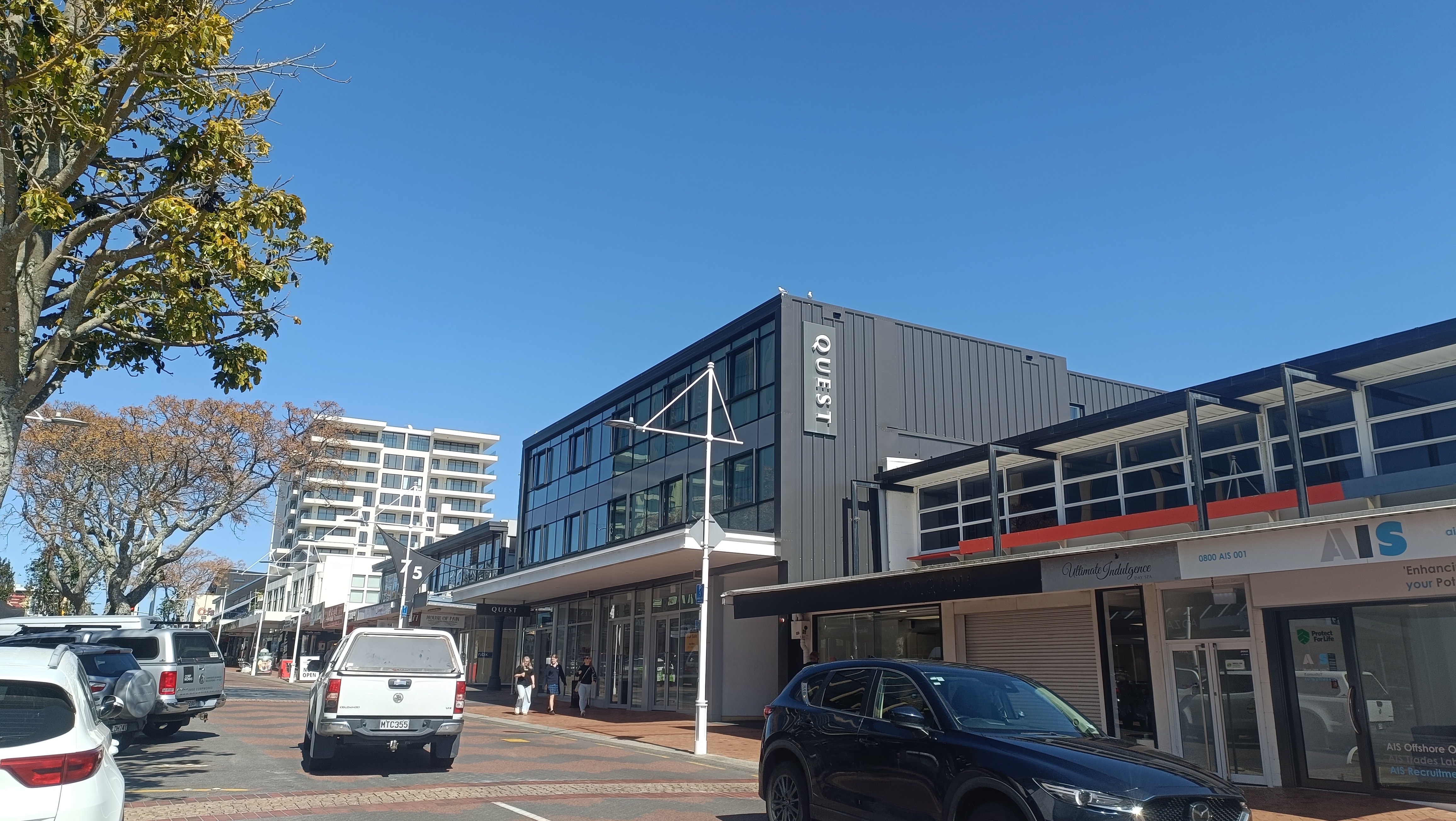
Invercargill sits at the bottom of New Zealand's South Island, the kind of place where the pace loosens almost the moment you arrive. Locals still refer to it as the "City of Water and Light," a nickname that nods to its history as a port town and to its reputation for moving with the times. The streets feel unhurried, the sky tends to open wide above flat horizons, and the mood is friendly rather than touristy. For travellers who like to wander slowly, chat with shopkeepers, and follow curiosity rather than a checklist, that mix can feel like a gift.
What surprises first-time visitors is how much character is packed into this small city. There is a real devotion to vintage design and motoring heritage that locals are proud of, and a food scene shaped by generous portions and the produce of the surrounding Southland region. The notes below lean into those threads, plus the practical question every traveller eventually asks: how to actually get here and find your way around.
Getting around
Invercargill Airport is the natural entry point for most visitors, and the arrangements on the ground are refreshingly straightforward. A taxi rank is placed close to the terminal and baggage claim area, so catching a cab into town after a flight is simple. A few shuttle pick-up and drop-off points are also available around the city, including the i-SITE Visitor Centre on Gala Street, Tuatara Backpackers Lodge, the Victoria Railway Hotel, and the airport itself. The i-SITE in particular is a useful first stop for maps, local advice, and a sense of what is on during your visit.
If you are road-tripping the South Island, regional transport companies run routes between Invercargill Airport and other South Island cities and towns, which makes it easy to slot Invercargill into a longer itinerary. For travellers heading north, a Catch-a-Bus service connects Invercargill and Bluff with Dunedin. That link is handy whether you are continuing your journey by bus, or simply want a relaxed way to reach the coast without driving.
Because the city is compact and the distances short, most visitors find that walking, taxis, and a short bus ride or two cover nearly every practical need. Keeping your plans flexible tends to suit the city's rhythm better than a tightly scheduled day.
Attractions and planning
Invercargill's attraction set leans into its identity rather than chasing big-ticket sights, and that is part of its charm. There is a genuine love of motoring here, and several venues celebrate that passion, including places that look at vintage design and the ingenuity of New Zealand engineering. For travellers with even a passing interest in classic cars and mechanical history, these stops feel like a quiet highlight of any visit.
It helps to plan loosely rather than tightly. The i-SITE Visitor Centre on Gala Street is a sensible first stop for up-to-date information on what is open, what is on, and how to get to the attractions on your list. Because specific opening hours, ticket prices, and exhibition schedules can change, checking directly with venues before you go is the safest approach. Many of Invercargill's attractions sit close together, which makes a slow afternoon on foot a perfectly comfortable way to explore without needing to drive between stops.
The nickname "City of Water and Light" is worth keeping in mind as you walk around. It is a small reminder that the city has long balanced its working-port past with a forward-looking streak, and that mix of heritage and energy shows up in the places you visit.
Food and local context
If one word sums up eating in Invercargill, it is generous. Portions tend to be hearty, hospitality is warm, and chefs take real pride in showcasing Southland produce. The local food scene has its own rhythm too, with small food events, such as Wee Fest, popping up to share what is on offer with the community. These gatherings are a lovely way for visitors to taste across several venues in one go and meet the people behind the kitchens.
Southland's most famous and plentiful fish is rāwaru, also known as blue cod. These fish are endemic to New Zealand and grow large in the cold waters of the south, which means you will see blue cod on menus across the region, often served in classic Kiwi preparations. Beyond the sea, New Zealand honey has its own loyal following, and small producers such as the Hunny Shop at the Garston Stables are part of the wider edible landscape you may encounter while travelling in this part of the country.
A few simple habits make food days in Invercargill more enjoyable. Eat an early lunch so you can wander before dinner, ask staff what is fresh, and be ready for plates that arrive fuller than you expect. Southland is a region built around farming and the sea, so menus tend to lean on what is local and in season rather than imported trends.
A few final notes
Invercargill rewards a slower pace. Plan around two or three anchor activities for each day, leave gaps for a café stop or a longer conversation with a local, and use the i-SITE for any details you want to double-check. Because opening hours, schedules, and transport details can shift, it is always worth confirming the latest information through official channels or the venue itself before you head out. Factual conditions such as transport availability and attraction opening times can change without notice, so a quick check on the day helps keep plans running smoothly.
Share this article
TOOLS FOR THIS PLAN
Make the Invercargill plan measurable
Choose a tool only when it answers the next question in your trip. Your values stay in the browser, and each tool offers a route back to this planning context.