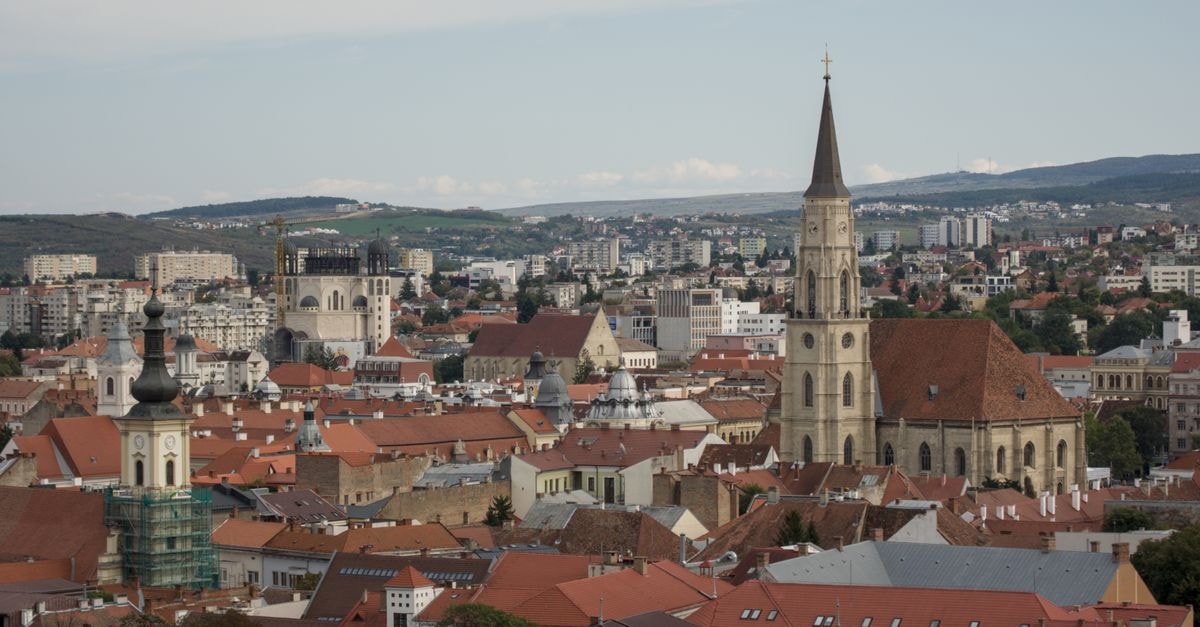
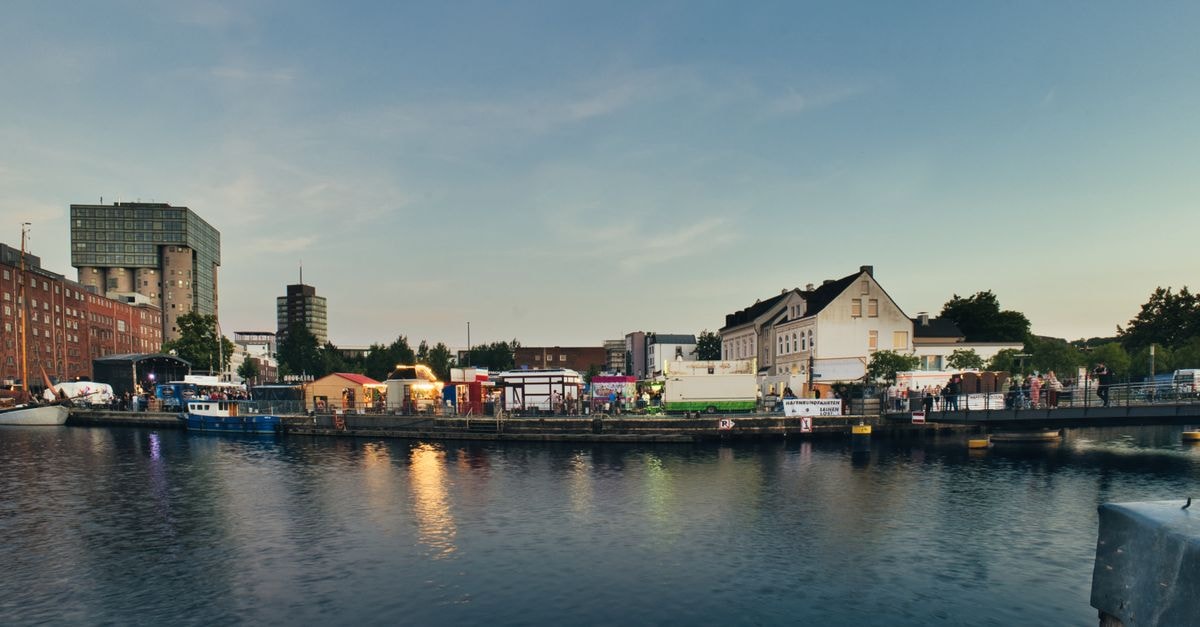
There is a particular kind of stillness that settles over Ioannina, the capital of Epirus in northwestern Greece. Set inside a broad valley and ringed by enormous mountains, the city carries the quiet confidence of a place where nature, culture, and everyday life flow in measured balance. For visitors arriving from the bustle of the Greek islands or the capital, the first impression is one of slowing down — of trading sea breezes for cool mountain air, and crowded promenades for the reflective calm of a lake-side town.

Ioannina reads as a city that has lived several lives at once. Long known as a center for silversmiths, it holds onto a layered craft tradition while still feeling youthful and lived-in. Travelers tend to fall into its pace quickly here: mornings move at the speed of coffee and conversation, afternoons invite slow wandering, and evenings stretch out gently along the water. It is a destination shaped less by a single headline attraction than by the texture of its streets, its traditions, and the mountain light that falls across it.
Weather and seasonal context
Ioannina rewards visitors in every season, with options that genuinely shift from one part of the year to the next. The city's valley setting, framed by enormous mountains, gives it a distinct feel from coastal destinations: temperatures tend to move differently here, and the air carries that crisp clarity that comes with elevation. Because the seasonal palette changes meaningfully through the year — from snowy winters that turn the lake into a moody mirror to summers softened by altitude — Ioannina is often described as a destination that offers a different personality depending on when you arrive.
For travelers who prefer a steadier pace and gentler walking conditions, shoulder seasons often feel particularly comfortable, when the city is lively but the heat of high summer has eased. The mountain setting also means that layering is wise — mornings and evenings can feel cooler than the daytime suggests. Travelers who appreciate fewer crowds and a calmer atmosphere may find this rhythm especially appealing.
If you prefer warmer conditions for outdoor sitting and lakeside hours, the summer months bring longer days and a relaxed energy. Those who enjoy cooler temperatures, quieter cafés, and the mood of a mountain town in winter will find Ioannina equally inviting. Either way, packing a light layer is a sensible habit, and pacing the day around the gentler hours of morning and late afternoon tends to suit the valley climate well.
Getting around
Ioannina sits in the center of a valley, surrounded by enormous mountains, which shapes how visitors naturally move through and beyond the city. The compact center makes much of the immediate experience walkable, while the mountain geography makes organized transport especially useful for covering longer distances.
Public transport here comes in two distinct forms that visitors often confuse at first glance. Astiko KTEL Ioannina operates the urban and suburban bus network, threading through the city and its closer surroundings — this is typically the right choice for moving between neighborhoods within Ioannina itself. KTEL Ioannina, by contrast, operates the intercity coach services, running routes that connect Ioannina to Athens, Thessaloniki, and destinations across Epirus and the wider Greek mainland. Understanding which KTEL you need is the key to navigating smoothly: Astiko for around town, KTEL for longer journeys.
For travelers staying in the center, combining walking with the urban bus network tends to cover most needs. Those planning day excursions across Epirus or onward connections to Athens or Thessaloniki should look specifically at the intercity KTEL schedules. Travelers who value flexibility and door-to-door convenience may also consider taxis for short hops that the bus timetable does not quite match.
Because Ioannina sits within a mountain-ringed valley, journey times to and from the city can feel longer than the map suggests — a worthwhile consideration for anyone planning a tight arrival or departure window. Confirming the relevant KTEL timetable the day before travel is a practical habit, particularly for early-morning or late-evening intercity connections.
Choosing what fits the trip
Ioannina suits travelers who enjoy a slower city rhythm and a setting shaped by mountains rather than sea. If you like wandering on foot, exploring craft traditions such as silverwork, and pausing for long coffee or waterside moments, the city tends to reward that pace. Visitors who value organized intercity links for onward travel across Epirus or to Athens and Thessaloniki will find the KTEL coach network practical, while those who plan to stay mostly within the city center can rely on walking and the Astiko urban buses.
Travelers who prefer warmer, longer days for outdoor sitting may time their visit toward the summer months, while those drawn to quieter streets, cooler air, and a more introspective atmosphere may find the shoulder seasons or winter a better match. In every case, packing a light layer suits the mountain climate, and confirming bus details in advance helps the trip run smoothly.
A note before you go
Travel conditions — including bus timetables, fares, and local services — can change, so it is always wise to verify details through official channels close to your travel date. Live information from Astiko KTEL Ioannina and KTEL Ioannina, along with current guidance from Visit Ioannina, will give the most up-to-date picture before you set out.
Share this article
TOOLS FOR THIS PLAN
Make the Ioannina plan measurable
Choose a tool only when it answers the next question in your trip. Your values stay in the browser, and each tool offers a route back to this planning context.