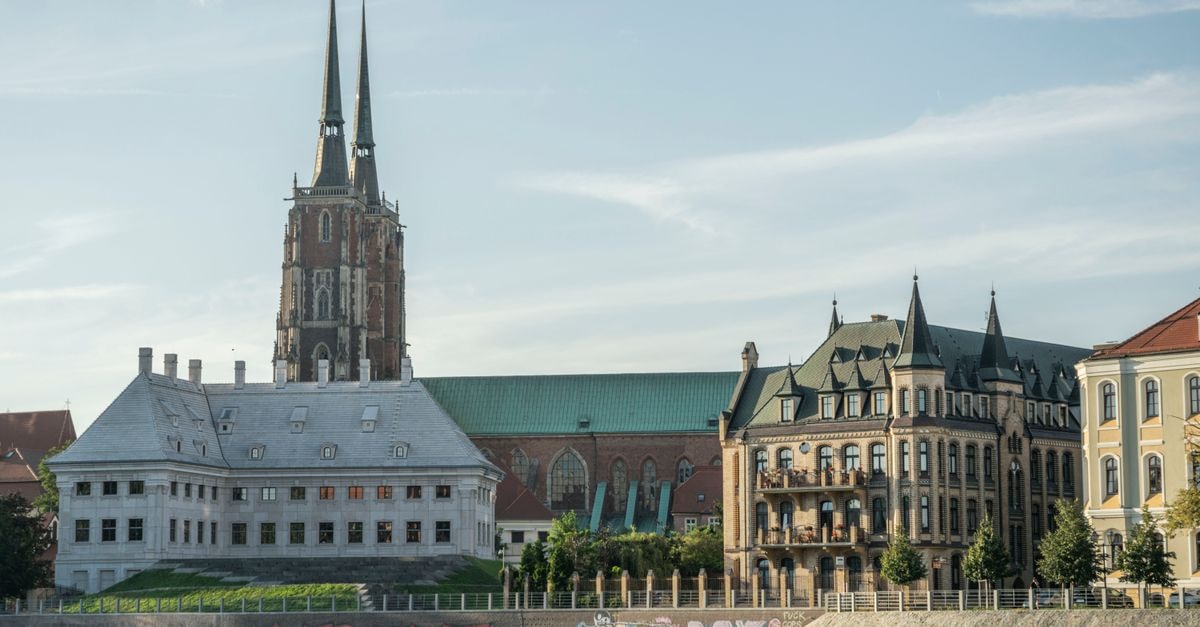
A first hour in Irkutsk

There is something quietly cinematic about arriving in a city that sits as a doorway to a much larger landscape, and Irkutsk plays it well. Wooden facades still line the older streets, the breeze off the Angara carries a brisk northern freshness, and the rhythm of daily life feels approachable rather than overwhelming. For travellers stepping off a plane or train, the first questions are practical: how do I get into town, and once there, how do I move around without fuss? The good news is that the city rewards a slow, ground-level approach.
What follows is a focused guide built around the two things visitors tend to care about most in their first days here: moving efficiently between the airport, the centre and the surrounding neighbourhoods, and understanding the food culture that frames any evening meal.
Getting around
Irkutsk Airport sits close to the city centre, which means the transfer in rarely feels like a slog. From the terminal area, several public transport services and private minibuses, locally known as marshrutkas, operate in front of the buildings at Stops 1, 2 and 3. That setup keeps things simple: you walk out, you look up at the stop number, and you choose a service that fits your direction. The proximity to the centre also means that even with luggage in tow, the journey does not eat into your first afternoon.
For travellers who prefer a door-to-door experience, taxis and ride-sharing apps offer a convenient and affordable option in Irkutsk, and they tend to be especially useful for direct routes or when carrying bags. The combination of public minibuses for short, predictable hops and a ride-hailing app for late arrivals or rainy evenings gives you a flexible two-track system without any need for a rental car.
Once you are settled into the centre, walking quickly becomes the default. Irkutsk's city centre is very walkable, and the 130 Kvartal district is particularly easy to explore on foot. This restored historical quarter is the kind of place where you can wander between wooden buildings, pause for coffee, and get your bearings without ever needing to check a map. A light jacket and comfortable shoes will carry you further than any itinerary, and the compact layout means you can weave side streets into a relaxed stroll rather than a checked list of sights.
A useful rhythm is to arrive by public transport or taxi, drop your bags at your accommodation, and then spend your first half-day on foot in and around 130 Kvartal. From there, the rest of the centre opens up in a similarly low-effort way.
Food and local context
If the streets give Irkutsk its texture, the tables give it flavour. The signature dish that any visitor will hear about within the first day is omul, a salmonid fish endemic to Lake Baikal. It is the kind of ingredient that defines regional cooking here, the way a single product becomes shorthand for a place. You will find it served in many forms, from lightly smoked fillets to richer preparations, and it tends to appear on menus wherever regional cuisine is taken seriously.
Omul is not confined to the city limits. It is also found on menus in Listvyanka, the settlement that sits closer to the lake, and on Olkhon Island, the large island that draws travellers further out onto Baikal. For visitors planning their time, the practical takeaway is simple: if you do not try omul in the city itself, the dish follows you along the lake, which means a second chance is rarely far away. If you do try it in town and love it, the experience only deepens as you move closer to the source.
Beyond that single hero ingredient, Irkutsk's dining scene leans into the wider Russian food culture that visitors may encounter while travelling through the country. Hearty soups, dumplings, smoked fish, and preserved vegetables all tend to make appearances on menus that aim for a regional feel. The style of eating is unhurried: order a soup or two to share, ask what is fresh that day, and let the kitchen guide you. In a city with cold winters and a strong lake-based food tradition, menus tend to favour warming, satisfying preparations, and portions are generally generous.
For independent travellers, a relaxed approach works best. Eat where the locals eat, try omul at least once in the city, and if your itinerary stretches toward the lake, be open to comparing how the same fish is prepared in different settings.
A note on conditions and verification
Factual travel conditions can change at any time. Transport availability, menu offerings, prices, and local services should be checked through official channels and up-to-date local sources before departure, and again on arrival. Rates, where relevant, should be considered a reference rather than a guarantee. Treat this guide as a starting framework for a city that rewards slow exploration on foot and an open table, then refine your plans with current information once you are closer to your trip.
Share this article
TOOLS FOR THIS PLAN
Make the Irkutsk plan measurable
Choose a tool only when it answers the next question in your trip. Your values stay in the browser, and each tool offers a route back to this planning context.