A quieter Pacific coast that blends city comforts with the sea

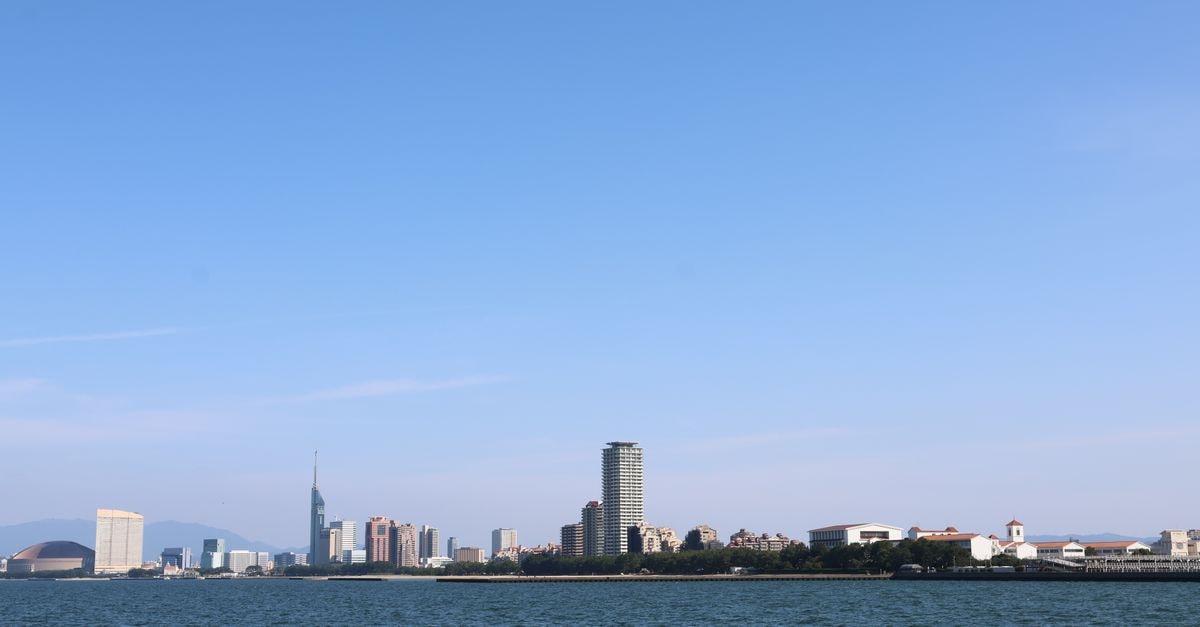
Iwaki is a coastal city in Fukushima Prefecture that has a way of catching travelers off guard. It carries the rhythm of a working port while still offering urban conveniences, so a day can move from a morning museum visit to an afternoon harbor stroll without a long transfer between the two. What makes the city quietly appealing is the way the Pacific shoreline, mountain scenery, and everyday city life sit side by side, the kind of blend that rewards travelers who like to explore without an aggressive schedule.
If your travel style leans toward cities that feel lived-in rather than heavily touristed, Iwaki has a calm, generous energy. It is also a city where seafood plays a central role at the table, so visitors with an appetite for ocean flavors will find that the local food culture is woven into the rhythm of the day. The guide below focuses on the most practical anchors for a visit: how the weather shapes a comfortable day out, how the public transportation system links the main sights, and what to expect from the wider Japanese food culture you will encounter while eating your way around town.
Weather and seasonal context
Iwaki sits on the Pacific side of the Tohoku region, and the source material describes the city as a place where urban amenities meet natural features like beaches and mountains. That geographic mix tends to create a climate where summer air can feel humid along the coast, while evenings cool down nicely once a sea breeze picks up. Because the city edges the ocean, the weather can shift between bright seaside afternoons and softer, hazier coastal light quite quickly, so dressing in layers is a gentle habit that tends to pay off.
The blending of sea and hills also means that walking from a harborfront viewpoint into a slightly elevated spot can produce a small but noticeable change in temperature. Travelers who prefer milder moments for exploring may want to pace the more active outdoor stretches for the cooler parts of the day, and save indoor stops, like aquariums, for when the sun is strongest. Visitors who enjoy scenic coastlines will appreciate how the light tends to linger over the water, which makes even a short harbor walk feel like a small reward at the end of a busy day.
Getting around
Iwaki is well-suited to a day spent moving between major sights using public transportation. A common pattern is to base yourself near a transit hub and let trains and local buses handle the longer distances, so the energy of the day goes into the sights themselves rather than logistics. The area is known for an interactive environmental aquarium, Aquamarine Fukushima, which sits among the headline draws and is reachable by public transport, making it a practical anchor for a one-day plan.
Seafood is also part of the city's identity, and many of the most satisfying places to sample it sit close to the harbor or near transit stops, which makes it easy to pair a morning aquarium visit with an afternoon plate of fresh fish without needing a car. Travelers who like their days to unfold at a gentle pace may find that the public transportation system naturally supports a morning-to-evening loop: a leisurely start at the aquarium, a midday break in a coastal neighborhood, and a slower evening focused on food. If you prefer to keep a day flexible, building your route around the bus and rail lines rather than a fixed driving plan often suits Iwaki's rhythm best.
For visitors who enjoy combining learning with sightseeing, the aquarium is a strong focal point because it pairs well with the public transportation network and the broader food culture. Travelers who would rather spend less time on transit and more time wandering can still use this approach, since the main draws are spaced in a way that one comfortable day's journey is realistic by train and bus.
Food and local context
Iwaki's location on the Pacific coast means that seafood naturally shows up across many of the meals you will encounter here. Grilled fish, simple rice bowls, and seasonal catches are common ways the ocean makes its way onto the table, and the experience of eating close to the harbor often feels like a continuation of the scenery rather than a separate activity. This is part of a wider Japanese food culture that places a strong value on freshness, careful preparation, and the idea that ingredients speak for themselves.
Across Japan, food is treated as both nourishment and craft. Traditional cooking techniques are valued for their health benefits, and ingredients are often chosen with an eye toward seasonality and balance. Visitors in Iwaki will notice that the same care shows up in coastal dishes: a piece of fish is grilled until the skin is crisp, a bowl of rice is served warm and unadorned, and a small plate of pickles offers a sharp, refreshing counterpoint. If you prefer meals that are simple, fresh, and tied to the place you are visiting, Iwaki's table tends to deliver that feeling naturally.
The local seafood tradition also tends to complement a day of sightseeing rather than compete with it. A late lunch at a harbor-area spot can easily become one of the more memorable moments of the trip, especially if you have spent the morning indoors at an aquarium or museum. Travelers who enjoy pairing food with place will find that the city rewards a slow approach: order what looks freshest, eat close to the water, and let the rest of the afternoon unfold around that experience.
Choosing what fits your trip
Because Iwaki combines a working harbor, an aquarium-led sightseeing core, and a public transportation network that ties them together, it tends to suit travelers who want a relaxed coastal day rather than a packed urban itinerary. If you enjoy pairing an indoor anchor like an aquarium with outdoor harbor time and a seafood-forward meal, the city's rhythm supports that without much fuss. Travelers who prefer to keep transit light will appreciate that the headline sights are reachable by public transportation, and those who want to slow down will find that the food culture rewards unhurried meals. The main tradeoff is simply that Iwaki offers a quieter experience than Japan's larger coastal cities, so visitors looking for a dense urban scene may want to balance expectations accordingly. Pairing the aquarium with a seafood-focused meal and a harbor stroll tends to give the most complete picture in a single day.
Before you go
Travel conditions in Iwaki can change over time, and details such as transit timetables, aquarium hours, and seasonal seafood availability are best confirmed through official channels before you travel. Factual information in this guide is drawn from approved reference material and is intended as a starting point rather than a final itinerary, so a quick check on the latest schedules and local guidance will help your day unfold smoothly.
Share this article
TOOLS FOR THIS PLAN
Make the Iwaki plan measurable
Choose a tool only when it answers the next question in your trip. Your values stay in the browser, and each tool offers a route back to this planning context.