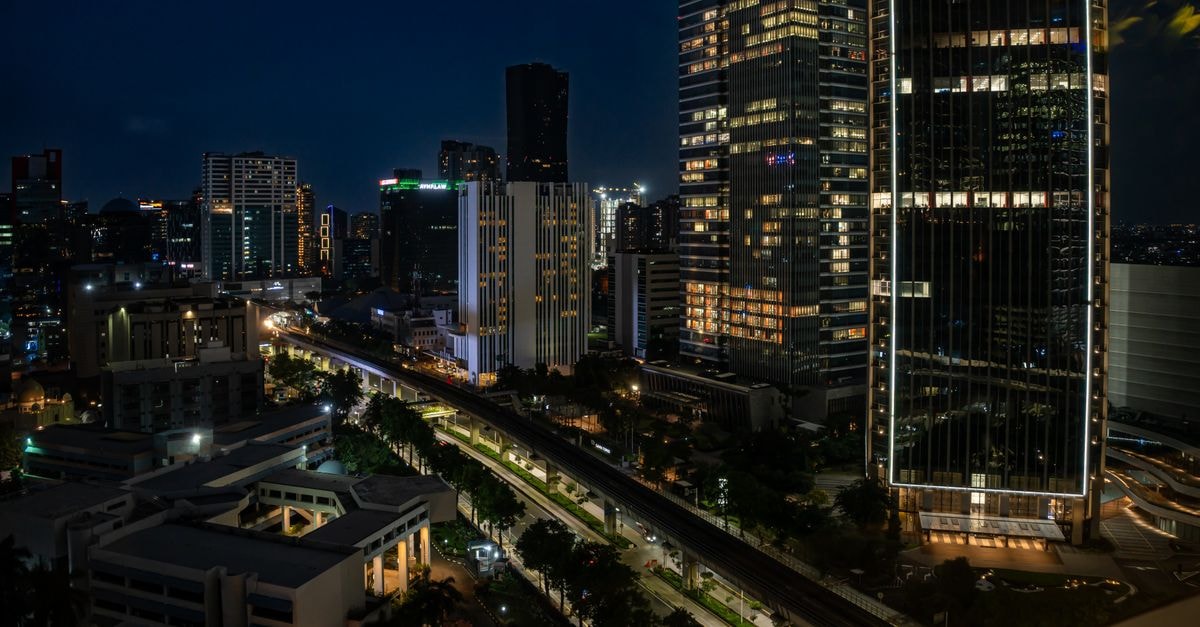
A megacity that rewards a little preparation

Jakarta is the gargantuan capital of a vast archipelago nation, a place where millions chase the promise of a better life and the city hums with the energy that comes from that ambition. It can feel like a lot on a first visit — a megacity of more than ten million people with its own rhythms, customs and quirks that trip up even seasoned travelers. The good news is that almost all of it is learnable, and a little preparation turns the city from overwhelming to genuinely enjoyable. Think of this guide as a quiet primer for that preparation, the kind of soft landing that lets you arrive curious rather than cautious.
What follows is not a checklist of must-see boxes but a way of reading Jakarta. Three threads run through it: the climate and energy of the city, the transport that keeps that energy moving, and the historic pocket of Kota Tua where the past still leans into the present.
Weather and seasonal context
Jakarta's weather is part of the texture of daily life here, and understanding its character helps you plan the shape of your day. The city is tropical, warm and humid in a way that travelers from temperate climates often underestimate. You can expect a steady, humid warmth that lingers into the evenings, with sudden, theatrical downpours that arrive on their own schedule. The good news is that this rhythm is predictable in spirit even when it is not in detail.
Because the city is so dense and so focused on its own concerns, weather rarely stops Jakarta, it simply shifts the pace. Locals carry umbrellas the way commuters elsewhere carry keys. As a visitor, the practical lesson is gentle: plan your outdoor stretches for shorter blocks, keep a rain option ready, and leave room for a slow café stop or a museum pause when the sky decides to open up. Pacing yourself around the weather is less about survival and more about enjoyment, because a city this size feels very different when you are rested and dry.
Getting around
Jakarta is famously large and famously busy, and it is also a city that does not perform for visitors. It is too vast and too focused on its own concerns to stage itself for tourists, which is part of its appeal once you settle in. Getting around, then, is a skill you build over a day or two rather than something you master on arrival.
The backbone of public transport is Transjakarta, which is the integrated, dedicated-lane public transport system that runs through the city. Its purpose is to move people efficiently across a megacity where traffic can swallow the unprepared. For a first-time visitor, Transjakarta offers a useful counterpoint to the car culture that dominates the streets: dedicated corridors, predictable routes, and a sense of moving with the city rather than against it. It is worth treating as a friend during your trip, especially for longer east–west or north–south journeys where road traffic can be unpredictable.
A practical mindset helps here. Combine Transjakarta corridors with short walking stretches, ride-hailing for the gaps, and patience for the parts that simply take time. Allow generous buffers between appointments. The reward is a more honest encounter with Jakarta, the version locals actually live, rather than a rushed one shaped by traffic anxiety.
Attractions and planning
The wider area offers a complementary set of museums, café terraces and shaded squares where you can sit, watch, and adjust to the city. Because Kota Tua is compact, it is a comfortable place to begin your Jakarta life: close enough to ride-hailing and Transjakarta corridors to be easy to reach, but distinct enough to feel like a different world from the high-rise downtown to the south. Visit it early in your stay if you can, because the perspective it offers will quietly inform how you read everything that follows.
A note before you go
Factual conditions — including transport routes, museum hours and access — can change, and official channels should be checked before departure so your plans reflect the city as it is on the day you arrive. Rates for any transactions are reference points only, and the live rate is what ultimately matters at the moment of exchange.
Jakarta is a city that rewards travelers who arrive curious and leave with a longer mental map than they expected. Read its weather with patience, let Transjakarta carry you across its sprawl, and spend a slow morning in Kota Tua. Do those three things and the megacity begins to feel less like a wall and more like a neighborhood, very large, very alive, and quietly welcoming.
Share this article
TOOLS FOR THIS PLAN
Make the Jakarta plan measurable
Choose a tool only when it answers the next question in your trip. Your values stay in the browser, and each tool offers a route back to this planning context.