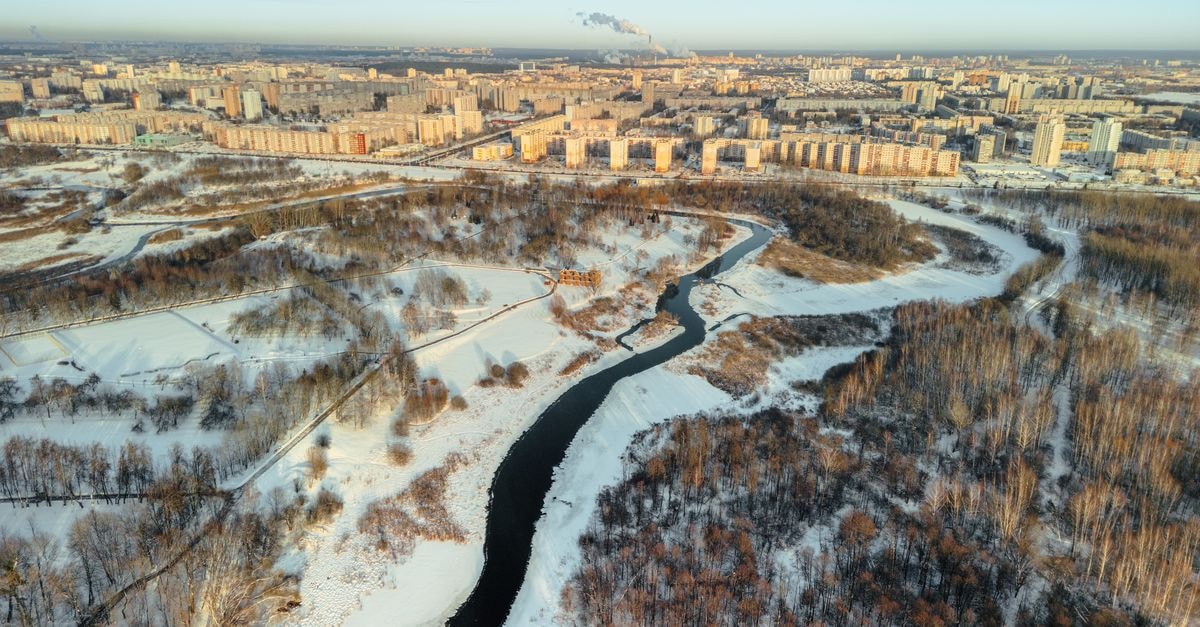
Jēkabpils, where the Daugava shapes the day

Jēkabpils sits where the Daugava has long dictated how people move between two riverbanks. It is a small Latvian city with a pace that feels lighter than the capital, and a layout that quietly revolves around the water rather than a busy old-town grid. For travelers who enjoy places where one well-chosen activity, one good walk, and one local perspective can anchor an entire visit, Jēkabpils fits that rhythm comfortably, with a layout built around the Daugava rather than a busy central square.
What makes the city memorable is its dual identity. There is a newer district on one side of the river and an older, more historic quarter on the other, and the river between them is the reason people live, work, and explore the way they do. Crossing that river is not an afterthought; it is part of the experience of being here. Because of that geography, even a short visit tends to feel like a small journey rather than a checklist of stops.
Getting around: the Daugava ferry
The most distinctive transport fact about Jēkabpils is the ferry across the Daugava, described as an important means of transport for residents on both banks of the river for pedestrians, motorists, and cyclists. For visitors, that translates into a simple practical insight: the river is not a barrier to be routed around, it is part of how the city works. Planning a day around at least one ferry crossing adds texture to a stay without adding any logistical complexity.
If you prefer a slower pace, the ferry also makes the city friendly to travelers who do not want to rely on a car. Because it carries pedestrians as well as vehicles and cyclists, you can cross on foot, take your time on the other bank, and return at your own rhythm. If you are traveling with a bicycle, the crossing effectively becomes part of your route rather than an obstacle in it.
One thing to keep in mind is that crossing times and seasonal operation should be confirmed locally before relying on the ferry for a tight schedule. Treat it as a feature of the city rather than a guaranteed transit link, and build a little buffer into your day around it.
Attractions and planning: a guided walk through the old town
For visitors who want context rather than just scenery, Jēkabpils offers a straightforward option: a guided tour of the city priced at 30 euros. The tour is based at Vecpilsētas laukums 3 in Jēkabpils, with the local tourism office reachable at tic@jekabpils. That single piece of information is genuinely useful, since small Latvian cities are often easier to enjoy with a local voice pointing out the layers of history that are not obvious from the street.
A guided walk may suit travelers who prefer understanding a place through stories and dates rather than wandering on their own. It also tends to be a good choice for shorter stays, where a couple of focused hours with a guide can cover more ground, both geographically and historically, than an afternoon of independent exploration. If you value quiet, independent wandering, you can still use the tourism office as a starting point for maps, then drift through the same squares at your own pace.
Beyond the guided tour, one frequently mentioned landmark is the Jēkabpils Fortress, noted as having been built in 1670 by Swedish troops during the Great Northern War. That detail gives a sense of why the city has the shape it does: it is not a decorative old town, it is a place with a military past, and that past still reads in the urban layout. Visitors with an interest in Northern European history may find that context rewarding, especially when paired with a guided walk.
Food and local context: keeping expectations realistic
Honest expectation-setting matters more here than a list of restaurant recommendations. Jēkabpils is a small city, and the approved information does not point to specific markets, menus, or signature dishes that can be named as city specialties. The same tourism contact used for the guided tour, Vecpilsētas laukums 3, tic@jekabpils, is the most reliable starting point for current suggestions on where to eat, what is open, and what feels like a typical local stop on the day you visit.
Wider Latvia has a food culture visitors may encounter while in Jēkabpils, shaped by seasonal produce, hearty grain and dairy traditions, smoked fish, rye bread, and a growing interest in modern Baltic cooking in small regional kitchens. That context is useful framing rather than a guarantee of any specific dish at any specific restaurant, and it should be read as background for what you might find on a menu rather than a checklist of city specialties.
If you have particular dietary needs or want to be sure a place is open, the practical move is to ask the tourism office directly when you book the guided tour. That single contact point tends to know which cafes and kitchens are currently welcoming visitors, and saves you from relying on older or generic listings.
Choosing what fits your trip
A short Jēkabpils visit comes down to a few honest tradeoffs. If you like slow travel and want to feel the rhythm of a Latvian river city, plan your day around the Daugava ferry, treat it as a feature rather than a transit line, and give yourself time on both banks. If you prefer to understand a place through its history, the guided city tour at 30 euros is a focused, fairly priced way to anchor a half day, and it pairs naturally with a self-guided walk afterward. If you are an independent explorer who likes to set your own pace, use the same contact point as a launchpad for maps and current tips, and treat the fortress as a historical anchor for your own wandering rather than a scheduled stop.
For travelers who need a packed daily itinerary, multiple ticketed attractions, or a well-developed restaurant scene, Jēkabpils may feel quieter than expected, and a longer Latvian route that includes Riga or Daugavpils could suit better. For travelers who enjoy small cities where one good guide, one river crossing, and one historic square can carry a visit, Jēkabpils fits comfortably.
A quick note before you go
Factual travel conditions can change, including ferry schedules, tour availability, and opening hours at local businesses. Before your visit, it is worth confirming current details through the Jēkabpils tourism office at tic@jekabpils or at Vecpilsētas laukums 3, and checking any official channels for the latest information. Treat prices and timings as reference points rather than fixed promises, and let local confirmation shape the final shape of your day.
Share this article
TOOLS FOR THIS PLAN
Make the Jēkabpils plan measurable
Choose a tool only when it answers the next question in your trip. Your values stay in the browser, and each tool offers a route back to this planning context.