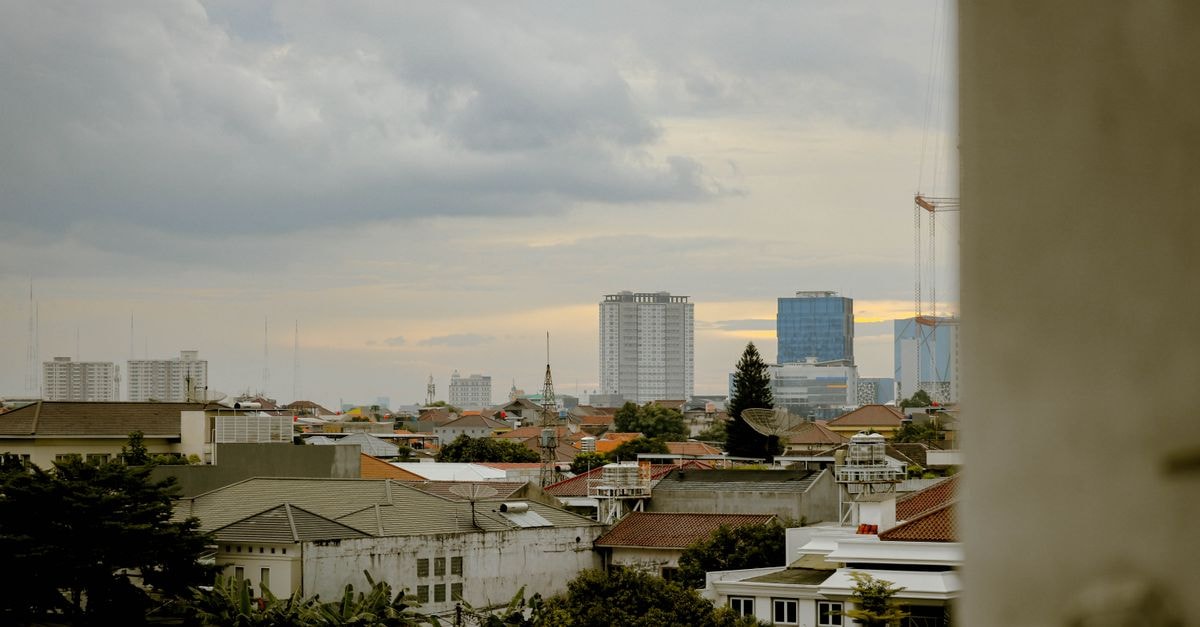
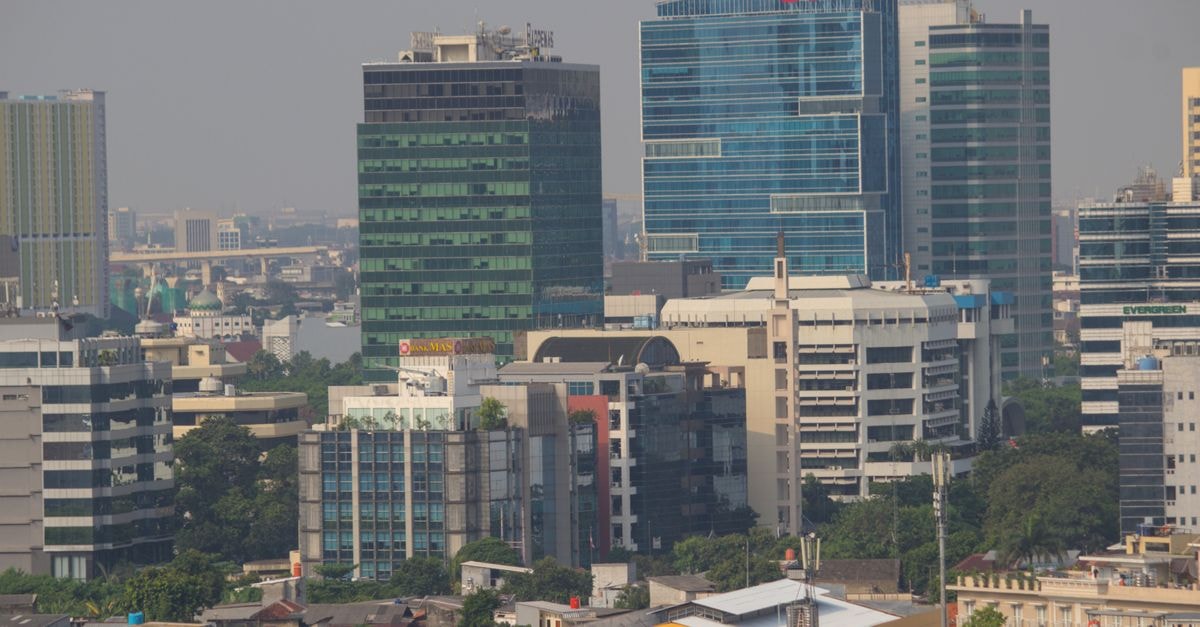
A quieter corner of East Java, waiting to be explored
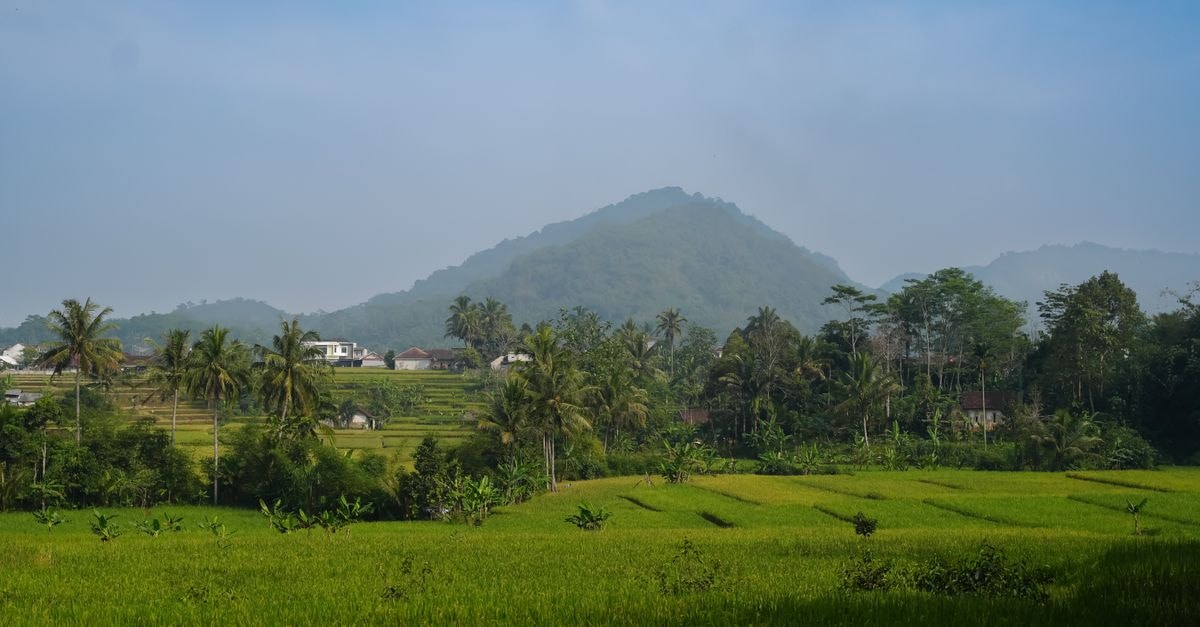
Jember sits in the southeastern stretch of East Java, the province's third largest city after Surabaya and Malang, and it carries a rhythm that feels distinctly its own. It is the kind of place where the road can lead you from misty inland ranges down to a long, sun-bleached coastline within a single morning. Travelers who like to step off the well-trodden Bali and Yogyakarta paths tend to find a certain pleasure here: a working city that doubles as a base for some genuinely dramatic scenery, and a slow-paced food scene that rewards those willing to ask locals where to eat.
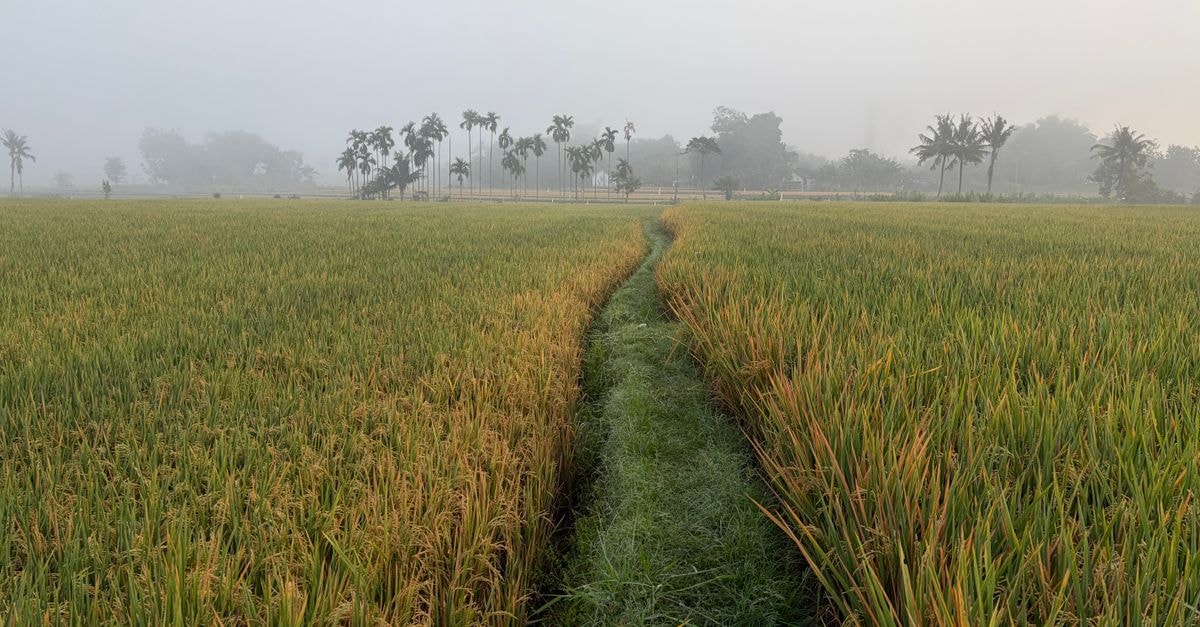
What makes Jember feel like a discovery rather than a checklist is the way its landscapes shift. The northern and eastern parts rise into mountain ranges, and those ranges hold the kind of natural sights that make you glad you brought decent walking shoes: waterfalls tucked into green folds of hillside, the sound of water rising before you actually see it. Then, as the land flattens toward the south, the beaches take over, offering a different kind of quiet, with long horizons and breezes that feel far from any city noise.
If you are visiting Jember with a soft plan and a curious mind, this guide will help you get your bearings without overcommitting to a packed schedule.
Weather and seasonal context
Jember sits in a tropical part of Java, and the experience of the day tends to be shaped less by dramatic temperature swings and more by the rhythm of sun, shade, and passing rain. Showing up with flexible timing tends to suit waterfall country, where the northern and eastern ranges hold the cascades and the surrounding greenery is part of the appeal. As the day warms, the pace naturally slows, and many travelers find that a long lunch in the shade, followed by a later afternoon outing, suits the climate well.
The two sides of the region offer quite different atmospheres depending on when you go. The northern and eastern mountain ranges, where the waterfalls are, can feel cooler and more refreshing, and the forested slopes around the cascades are part of what makes the area feel green and layered. The coastline to the south is where you will find the long beaches that the area is known for, and these stretches of sand and sea are the other half of the region's natural appeal.
Packing-wise, light breathable clothing is a sensible default, with something warmer for evenings at higher elevations and a reliable rain layer just in case. If waterfalls are on your list, shoes with grip will be more useful than fashion, since trails near cascades can be slick. There is no need to overthink a Jember weather plan; the reward is mostly in showing up ready to slow down.
Getting around
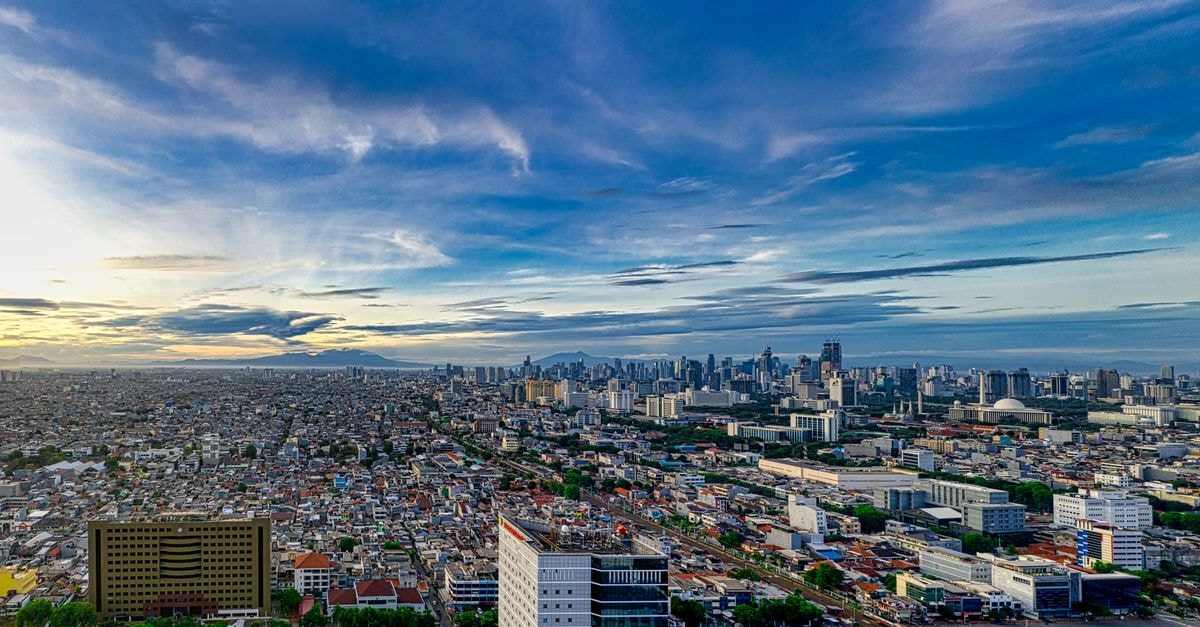
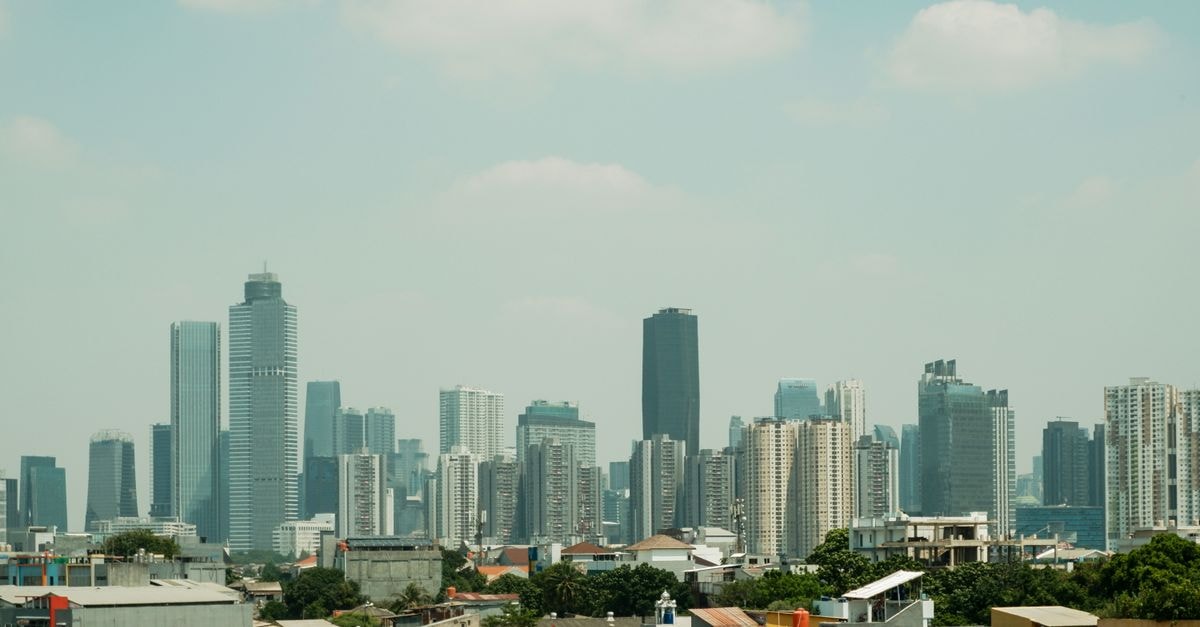
Jember is a sizable city, the third largest in East Java, and it functions as a genuine hub for the wider region. The local tourism board and the regional government have been actively working to position the area as a new magnet for visitors, building on the collaboration between communities and the local potential of both coast and mountains. That institutional energy is useful to know about as a visitor, because it tends to show up in improving road access, signage, and the general willingness of locals to help direct you toward the right road.
The city is also a common launch point for travelers heading further afield, including those making the journey to the remote Sukamade turtle conservation area. Many visitors treat Jember as a natural overnight stop on the way in or out, which means transport connections tend to be geared toward longer-distance travel rather than only local hops.
For getting around the city itself, the practical approach is to combine local transport with hired options for the more scenic routes, especially when you are heading to the beaches or into the mountains. The beaches to the south, including the well-known stretches that have made the area a draw for visitors, are the kind of destination where a bit of planning around transport makes the day feel much smoother. Asking locally about the best current route, and the best time of day to set out, is a small habit that pays off well in this part of Java.
Food and local context
Jember's food scene is one of its most quietly rewarding features. Like much of Indonesia, the country as a whole is celebrated for the sheer variety of its cuisine, shaped by the enormous geographic and cultural diversity across the archipelago. That wider Indonesian context is part of what you will encounter in the city, from the spice-led flavors that show up across menus to the way meals are treated as a social moment rather than a quick refuel.
Within Jember itself, the dining culture leans heavily toward fresh, generous, and unfussy. Soto Ayam Dahlok is one of the town's most popular spots, widely appreciated for its Chinese-fusion touches and seafood-forward menu, and it has the kind of loyal local following that usually says good things about the kitchen. Resto Legian is another local favorite, highly rated for its fresh seafood and the kind of generous portions that tend to make visitors smile, and it works equally well for a relaxed lunch or an unhurried dinner. Both are useful reference points when you arrive and want a dependable first meal in town.
The broader Indonesian approach to food is also worth keeping in mind while you eat your way around. Indonesian culinary tradition is not just about variety of dishes; it carries real socio-cultural value, and meals often come with a story or a regional identity attached. Sitting down at a local place in Jember, you are likely to find that the staff are happy to talk about what is on the plate, and asking about a dish's background tends to be a warm and welcomed gesture. A simple habit of eating where locals gather, especially at lunch, is one of the easiest ways to get a real feel for the city.
Picking a pace that fits your trip
Jember tends to reward travelers who are happy to mix a couple of anchor plans with plenty of breathing room. If your main interest is the natural scenery, the waterfalls in the northern and eastern ranges and the long southern beaches give you two very different environments to choose between, and you may prefer to focus on one side of the region rather than rushing between both. If food and local culture are what draw you in, the city's popular restaurants and the wider Indonesian context around the meals you eat can easily fill a slower-paced day or two without ever feeling repetitive.
A useful approach is to think of the city itself as your base and the surrounding coast and mountains as day options, rather than trying to chain them into a single tight schedule. Travelers who enjoy a quiet, scenic rhythm may find the mountain side a particularly good fit, while those drawn to sea air and long walks on sand may prefer to anchor their plans around the southern coastline. Either way, leaving space in the day for an unhurried meal, a conversation, or a spontaneous stop tends to be the part of a Jember visit people remember most.
A few notes before you go
Travel conditions in any destination can change, and details such as transport routes, operating hours, and the best current access to specific natural sites are worth confirming locally or through official channels before you set out. Treat this guide as a starting framework for your trip rather than a fixed plan, and let local advice, especially from your accommodation or a trusted guide, shape your final route.
Above all, give Jember a little room to surprise you. It is the kind of city that does not shout for attention, and that is exactly the point.
---
*Note: Factual travel conditions can change. Please verify current details through official channels before departure.*
Share this article
TOOLS FOR THIS PLAN
Make the Jember plan measurable
Choose a tool only when it answers the next question in your trip. Your values stay in the browser, and each tool offers a route back to this planning context.