Arriving and settling into Jérémie
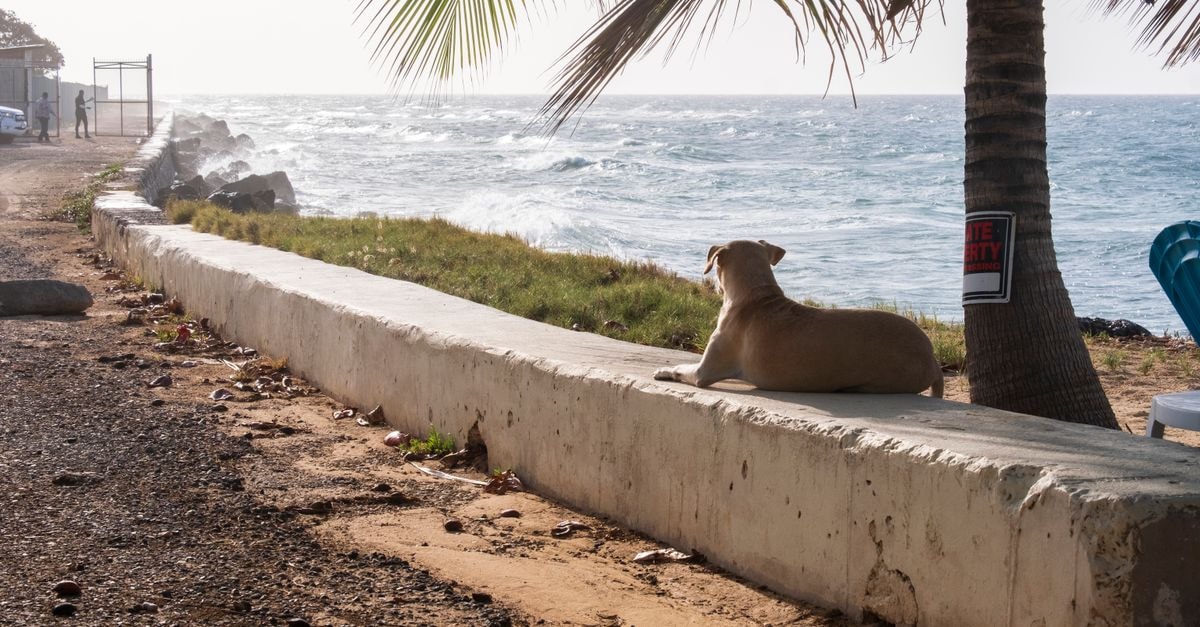
Tucked into Haiti's southwestern peninsula, Jérémie sits where the Grand'Anse department meets the southern coastline. It is a small, slow-paced town that appeals to travelers who like to feel a place rather than rush through it — the sort of visitor who is comfortable arriving without a fixed itinerary and letting the rhythm of porticoes, porch conversations, and bay views set the pace. Reaching Jérémie generally begins with an international flight into Toussaint Louverture International Airport in Port-au-Prince, after which a domestic flight continues on to Jérémie Airport. That two-step routing is worth knowing in advance so the longer first leg can be planned as the connective thread of the journey rather than a surprise detour.
Once on the ground, movement around town tends to happen the local way — by hired taxi or by hopping on a tap-tap, Haiti's colorful open-air shared bus. Travelers who enjoy mixing with everyday street life often enjoy the tap-tap experience; travelers who prefer a quieter, more private ride may prefer arranging a local taxi for specific trips instead.
Getting around
Practical transport in Jérémie stays close to two long-standing options. Coming in from abroad, the route most travelers use runs from Port-au-Prince to Jérémie: a flight into Toussaint Louverture International Airport followed by a domestic flight onward to Jérémie Airport.
Once travelers are in Jérémie, getting from place to place most often means hiring a local taxi, or catching a tap-tap — a colorful open-air bus that's ubiquitous in Haiti and acts as a flexible shared ride between neighborhoods and surrounding points. Travelers who prefer door-to-door convenience may find a hired local taxi suits their preference for privacy, while those who enjoy an open, sociable ride and don't mind a slower journey may enjoy the experience of a tap-tap.
Because specific schedules, fares, and route coverage can shift, it is worth confirming current domestic flight options and the local taxi or tap-tap arrangements with your accommodation or a local contact shortly before you travel.
Attractions and planning
What gives Jérémie its particular sense of place is the geography that surrounds it. The Grand'Anse river that gives this part of Haiti its name begins in the heights of Pic Macaya National Park and flows down through the mountains until it meets the sea just south of the town of Jérémie. That river-to-sea journey quietly shapes a lot of what visitors notice on the ground: the mountain backdrop, the river valley to the south, and the bay beyond. Travelers interested in landscapes and the way a place is named by its natural features tend to find Jérémie especially satisfying, because the river's path is visible from the town itself and frames the trip — you can simply slow down and watch its course from a porch, a rooftop, or a short walk toward the coast rather than chasing a checklist.
Among accommodations mentioned in reference material for Jérémie, one property is described as offering a pool overlooking a small bay and access to a small semi-private beach. Travelers who would rather wake up to water views than street views, and who appreciate being able to step straight from a pool onto a quieter stretch of sand, may find this style of accommodation suits their preferences if they confirm its current availability and bookability directly before traveling.
Choosing what fits your trip
Jérémie rewards a particular kind of travel mood — unhurried, curious about geography, and open to Haitian local transport rather than expecting private transfers throughout. Two practical tradeoffs are worth weighing.
First, the arrival path involves two flights — into Port-au-Prince and then onward to Jérémie — which adds a connection but keeps the overland journey short. Second, on-the-ground transport splits between hired local taxis (private, paced to your day) and tap-taps (shared, atmospheric, slower). Choosing one or the other shapes the texture of the stay more than any single sightseeing decision. Pairing either choice with a bay-side base that has its own pool and beach access, where such a property is available and confirmed, lets the trip stay genuinely restful rather than over-scheduled, which tends to suit travelers drawn to Jérémie in the first place.
Practical notes before you go
A few small points help the trip run smoothly. Domestic flight schedules to Jérémie Airport are worth confirming close to departure. Local taxi and tap-tap arrangements should be checked with your accommodation or a local contact, as availability and pricing details can change. Currency, connectivity, and any current travel advisories are best verified through official channels before and during your trip; published information can shift, and locally advised guidance is usually the most current.
Note on changing conditions
Travel conditions in Haiti — including flight schedules, local transport availability, and accessibility details — can change without notice. The information in this guide reflects what is generally true about reaching and staying in Jérémie, but readers should verify up-to-date specifics through official channels and on-the-ground contacts before finalizing travel plans.
Share this article
TOOLS FOR THIS PLAN
Make the Jérémie plan measurable
Choose a tool only when it answers the next question in your trip. Your values stay in the browser, and each tool offers a route back to this planning context.