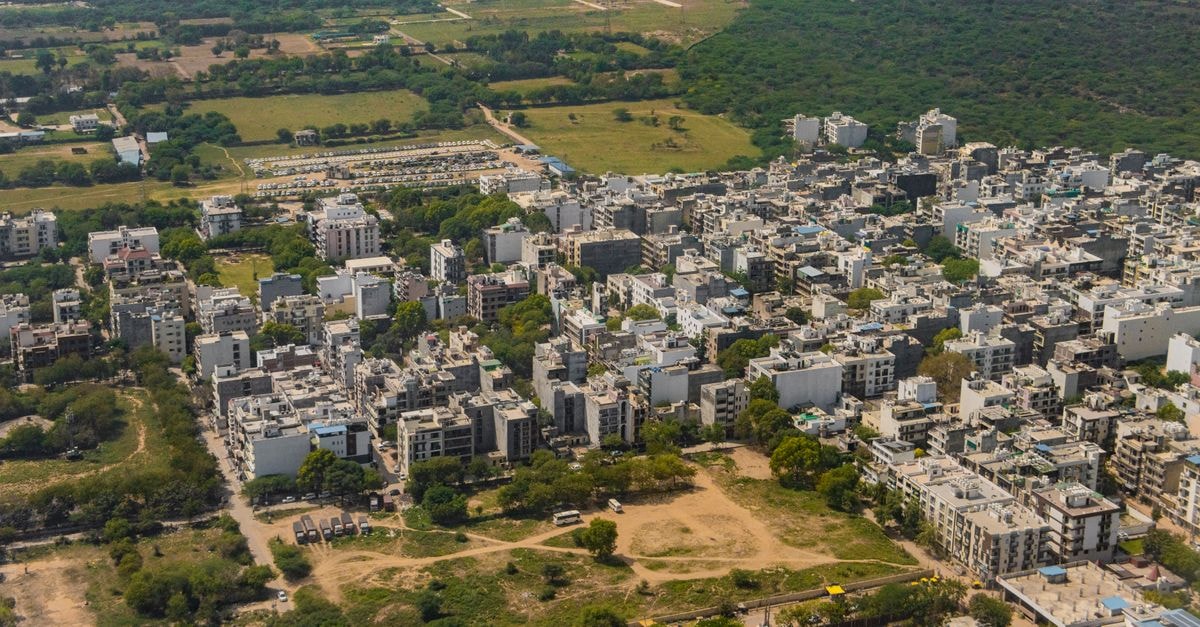
A grounded first look at Jhansi

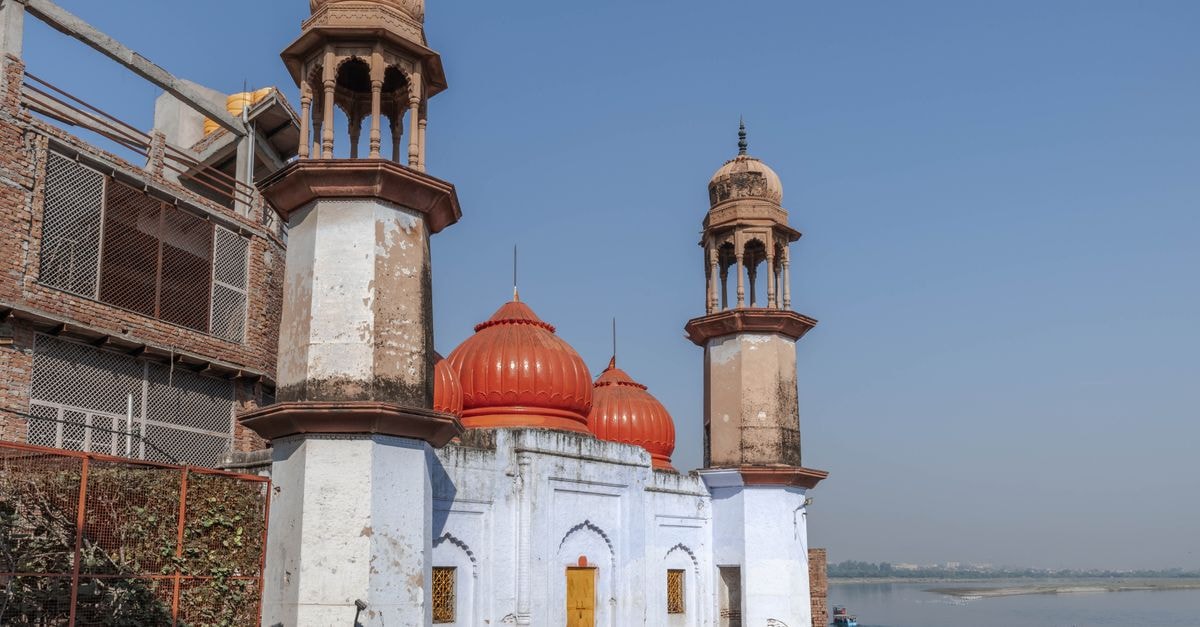
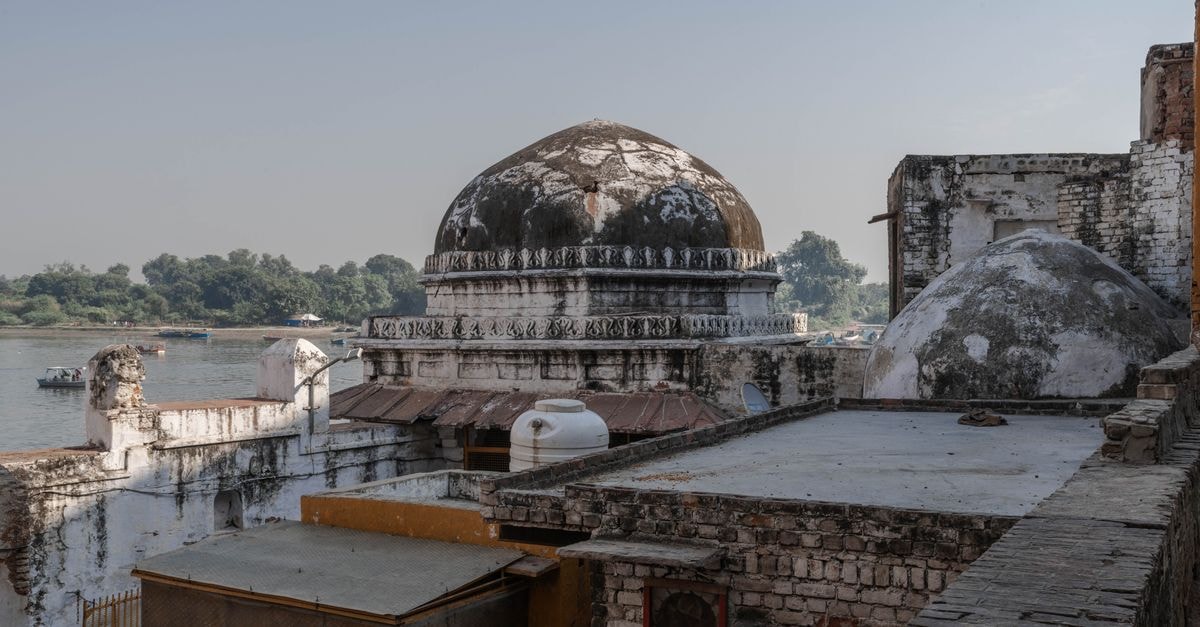
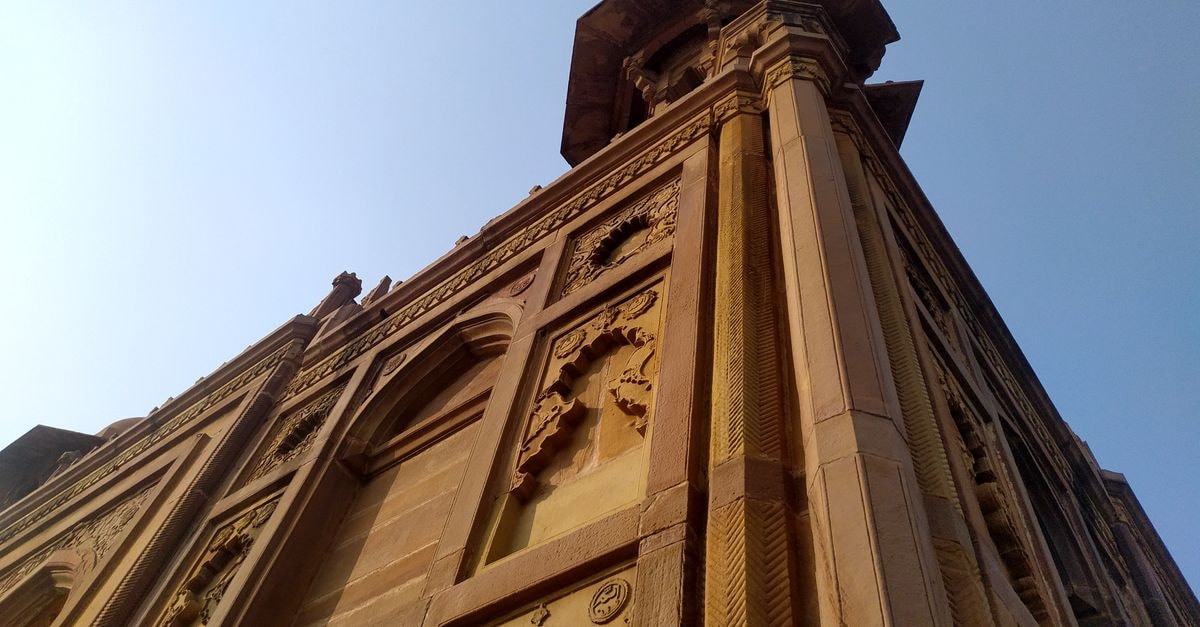
Set in the southwestern stretch of Uttar Pradesh, Jhansi sits in the heart of the Bundelkhand region and serves as the headquarters of its district. The city carries the weight of a name familiar to most Indian readers, and the reason is woven tightly into its identity: Jhansi is synonymous with its courageous queen, Rani Lakshmibai, who valiantly fought against the British forces during the First War of Indian Independence in 1857 (F1-1). That legacy gives the place a reflective, almost reverent atmosphere; it is not a glossy resort town but a working regional capital with an unusually deep historical pulse. Travelers who arrive curious about pre-colonial India, the 1857 uprising, and the architecture of Bundelkhand often find that Jhansi rewards slow exploration rather than checklist sightseeing.
Beyond its history, Jhansi is also a practical hub. The same overview that places it within Uttar Pradesh notes that the city serves as the district headquarters and is a major historical, administrative, and educational center (F6-2). For travelers, this matters because administrative centers tend to have functioning road and rail links, a steady rhythm of daily life, and a more grounded feel than purely tourist towns. You are stepping into a lived-in city, which is part of its charm.
Weather and seasonal context
Because the city sits in the southwestern part of Uttar Pradesh, in the Bundelkhand region (F6-1), travelers should expect the kind of climate that inland central India is known for: hot summers, a wet monsoon stretch, and cooler, drier windows in between. Without leaning on month-specific claims, the practical implication is that humidity and warmth can coexist, and a day that starts sunny can turn showery. If you prefer to avoid the stickiest conditions, you may find cooler mornings and early evenings more comfortable for longer walks; if you are drawn to dramatic skies, the transition between sun and showers can give the city's older stonework a particularly moody character. Pacing outdoor time for the gentler parts of the day is a sensible habit here rather than a hard rule.
Getting around
Jhansi is widely treated by official Indian tourism channels as a destination worth exploring in its own right, described with phrases like the "land of valor" and framed as a place that offers more than its famous fort (F5-1). That positioning matters for travelers because it signals that the city has been identified as a heritage stop with enough content to fill more than a transit window. At the same time, the official Indian tourism portal that features Jhansi is presented as an ongoing, evolving resource; visitors are invited to share feedback and suggestions for features or content they would like to see (F2-1, F5-2), with a feedback contact offered through a government information email channel (F2-2). For a traveler, the practical takeaway is that the digital resource surrounding Jhansi is treated as a living platform rather than a finished brochure, so checking official channels close to your trip is the most reliable way to confirm current conditions.
In practical terms, Jhansi functions as a regional hub. As the district headquarters and a major administrative and educational center (F6-2), the city is anchored to road and rail networks that connect it to the rest of Uttar Pradesh and beyond. Travelers using this guide as a starting point should plan to verify timetables, station details, and local transport options through current official sources rather than relying on any single static description. The historical framing of the city, with its deep association to Rani Lakshmibai and the events of 1857 (F1-1), also means that visits to fort and memorial sites often pair naturally with shorter walks through the older parts of town, though specific opening details should be confirmed locally before you set out.
Choosing what fits your trip
Jhansi tends to suit travelers who are curious about layered Indian history and comfortable with cities that are not packaged for tourists. If your interest is squarely in the 1857 story and Bundelkhand heritage, the city offers a focused setting where that narrative is central rather than peripheral. If you prefer slower, cooler conditions for walking, consider orienting most of your outdoor time around mornings and early evenings, since the local climate in Bundelkhand can feature shifting humidity and sun-and-shower patterns through the year (F6-1). Travelers who lean on digital planning should plan to cross-check current details through official Indian tourism channels, which are openly framed as a resource that continues to be refined (F2-1, F5-2), rather than treating any single guide as final.
A short verification note
Because this is an evergreen overview built on a limited factual base, a few practical details are worth confirming before you travel. The current state of humidity, rainfall, and daily temperatures in Jhansi is best checked through a live forecast close to your trip, since conditions in the Bundelkhand region can shift quickly (F6-1). For heritage sites associated with Rani Lakshmibai and the 1857 legacy (F1-1), opening hours, ticketing, and access can change, so a quick check with the official Indian tourism portal or local administration will save you any surprises. Factual travel conditions can change over time, and official channels should be checked before departure to ensure that the information here still matches the situation you will find on the ground.
Share this article
TOOLS FOR THIS PLAN
Make the Jhansi plan measurable
Choose a tool only when it answers the next question in your trip. Your values stay in the browser, and each tool offers a route back to this planning context.