A first impression of Jihlava

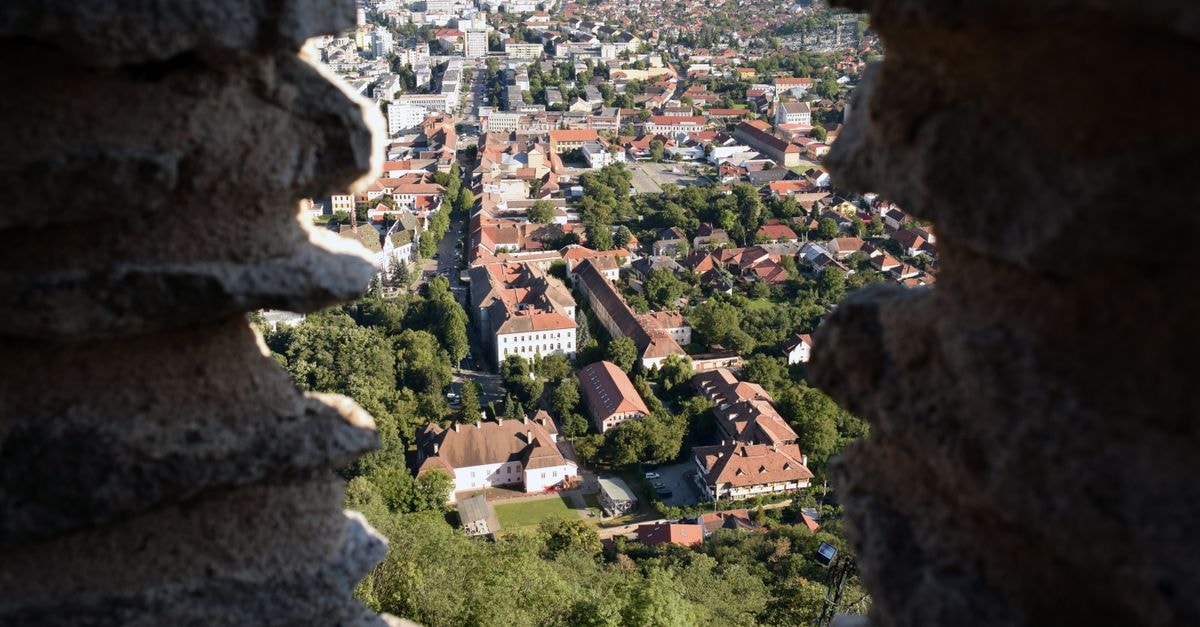
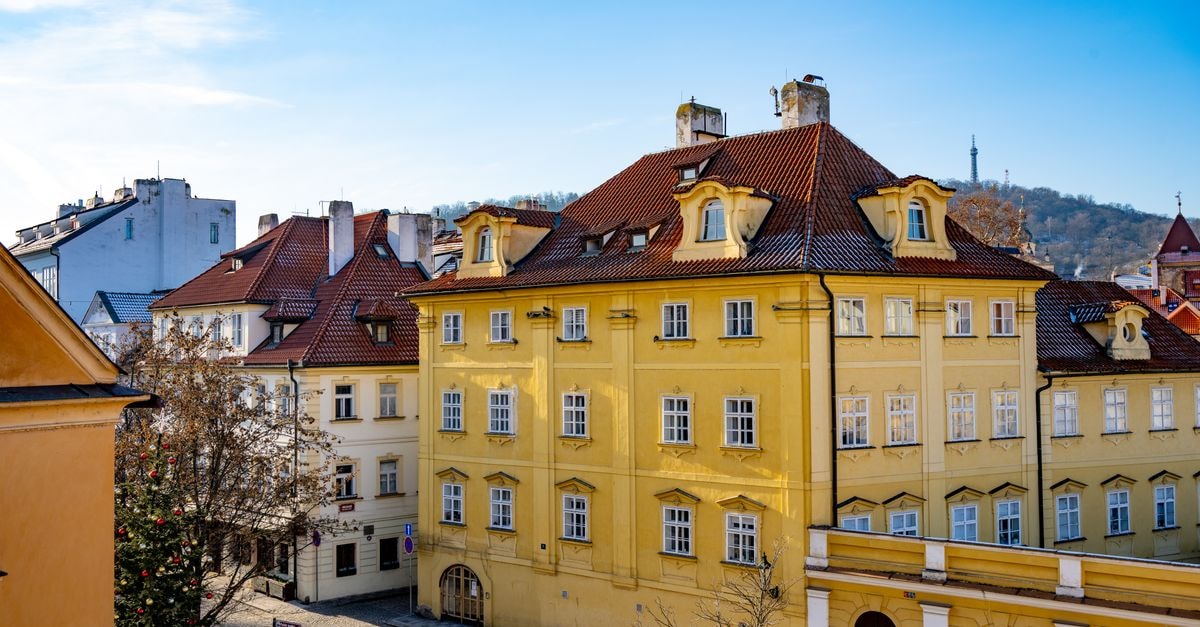
Tucked into the rolling highlands of the Vysočina region, Jihlava rewards travelers who like their Czech towns with a touch of quiet depth. The city carries an unusual mix of old and mid‑20th‑century architecture, where medieval gates and a famous underground labyrinth sit not far from the boxy lines of the communist‑era Prior department store. That visual contrast is part of what makes a walk through the centre feel layered rather than curated.
If you are planning a slow‑paced visit that leans more into heritage and everyday Czech atmosphere than big‑city sightseeing, Jihlava offers a friendly base. The compact historic core is easy to cover on foot, and the regional museum gives a clear grounding in the area's mining and archaeological past.
Landmarks and what makes the centre feel layered
Jihlava's identity is shaped by three very different structures, and seeing them in sequence is a good way to read the city. The 13th‑century Gate of the Mother of God is a piece of medieval city fortification that still anchors one end of the old town. Beneath the streets, the city is defined by an extensive medieval underground labyrinth, a network of tunnels that has become one of the most talked‑about features of the place.
Then there is the architectural contrast of the communist‑era Prior department store, a building that visitors often notice because of how deliberately it interrupts the older skyline. Taken together, these three reference points give Jihlava a sense of time depth that rewards unhurried wandering rather than a tight checklist.
If medieval engineering and layered urban history appeal to you, the underground tunnels and the old gate may anchor your time in the centre, while the Prior building offers a useful visual marker for orientation as you move between sights.
Getting around and arriving from Prague
Jihlava sits within practical reach of the Czech capital. Direct bus services connect Prague and Jihlava through operators such as FlixBus, which makes the city an easy add‑on to a broader Czech itinerary without needing a car. Travelers coming from Prague can compare routes and plan their arrival using the same booking platforms that cover other domestic Czech routes.
Once in Jihlava, the historic centre is compact and walkable, which suits visitors who prefer to slow down and notice street‑level detail rather than move between distant districts. A general travel‑guide resource such as Wikivoyage's Jihlava page offers orientation notes on how to get in and move around, which is helpful before you arrive if you like to picture the layout in advance.
If you are traveling from Prague without a car and prefer a single, straightforward connection, a direct bus is the most natural way in, and once you are on the ground, walking will carry most of your day.
Culture and regional context at the museum
For travelers who like to understand a place through its local museum, Muzeum Vysočiny Jihlava is a useful first stop. The regional museum covers Jihlava's history, archaeology, and mining heritage, and it is housed in a historic building near the centre. Its focus on mining is particularly fitting, given that Jihlava's underground tunnels are one of the city's defining features, and the museum helps frame those tunnels in their broader historical context.
If regional history and archaeology are central to why you travel, plan the museum for earlier in your visit so the rest of your walks through the centre feel more grounded.
Weather and seasonal context
Jihlava sits in the Czech highlands, where conditions can shift between warm daytime hours and noticeably cooler mornings and evenings through much of the year. The city's weather follows a typical central European pattern, with periods that feel crisp and others that feel mild. Because conditions in the Vysočina region can change quickly, layering is a practical habit.
If you are the kind of traveler who likes to pace a day around the temperature rather than race through a packed list, building in slower midday pauses and saving outdoor wandering for the gentler parts of the day is a sensible approach. Travelers who want to fine‑tune their packing for specific months can look up Jihlava's weather by month through dedicated regional resources.
Food and wider Czech context
Jihlava sits firmly within Czechia, and the wider food culture of the country shapes what you will encounter on menus around the city. Across Czechia, knedlíky — dumplings — are far more central to local cooking than many visitors first assume. They are not just an automatic side dish; they are a defining part of how Czech meals are put together, appearing alongside sauces, meats, and stews as a foundation rather than an afterthought.
When you sit down to eat in Jihlava, this wider Czech context is what you are most likely to meet: hearty, dumpling‑anchored plates that reflect a national kitchen rather than a single city's signature dish. Treating the dumplings on your plate as part of the meal, rather than passing them by, is a small way to better understand what you are tasting.
If food is a real reason you travel and you want to engage more deeply with local habits, paying attention to how knedlíky are served and what accompanies them can turn an ordinary lunch into a more textured cultural moment.
Choosing what fits your trip
A few supported tradeoffs can help you shape your visit. If medieval layers and underground history are what drew you to Jihlava, build your day around the Gate of the Mother of God and the labyrinth, and use the regional museum early on for context. If you arrived from Prague without a car, the direct bus connection keeps logistics simple, and the walkable centre removes the need for local transport once you are settled in. Travelers sensitive to changing highland weather may prefer a slower midday pace and outdoor wandering during the gentler parts of the day rather than a tightly packed schedule. None of this requires a long stay; the city's compact scale lets you adjust on the fly.
A note before you go
Practical travel details — including bus timetables, museum opening patterns, weather conditions, and any on‑the‑ground services in Jihlava — can change over time. Use the platforms and regional resources mentioned here as starting points, and confirm current details through official channels before you travel.
Have you already decided whether the underground labyrinth or the regional museum will be your first stop in Jihlava?
Share this article
TOOLS FOR THIS PLAN
Make the Jihlava plan measurable
Choose a tool only when it answers the next question in your trip. Your values stay in the browser, and each tool offers a route back to this planning context.