A highland city shaped by coffee and trade

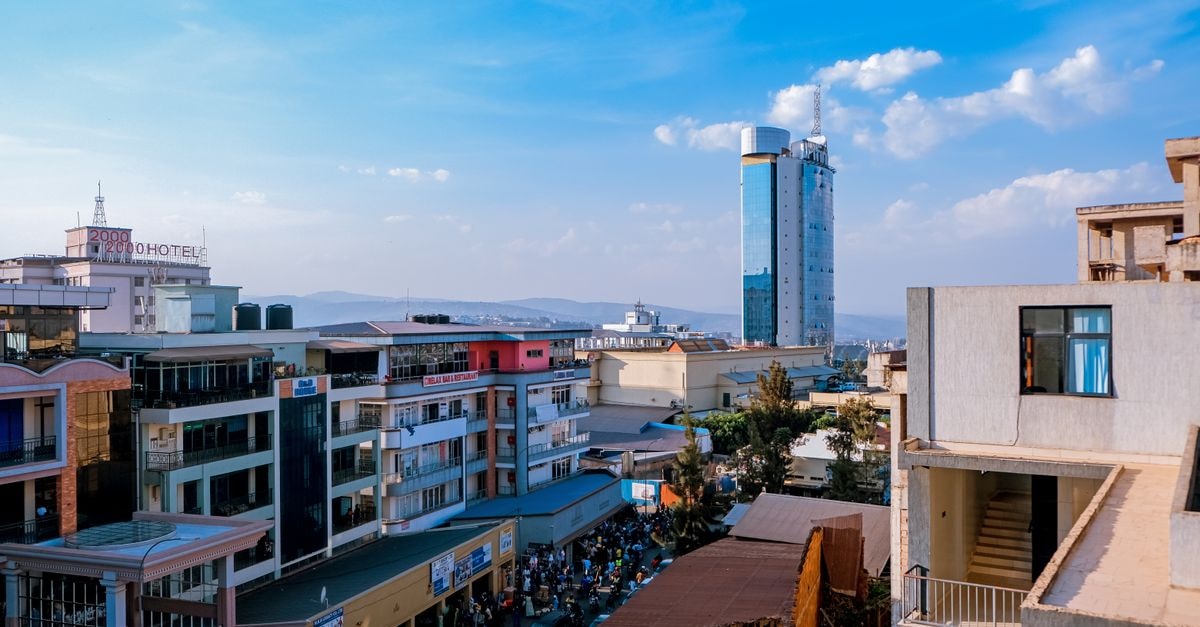
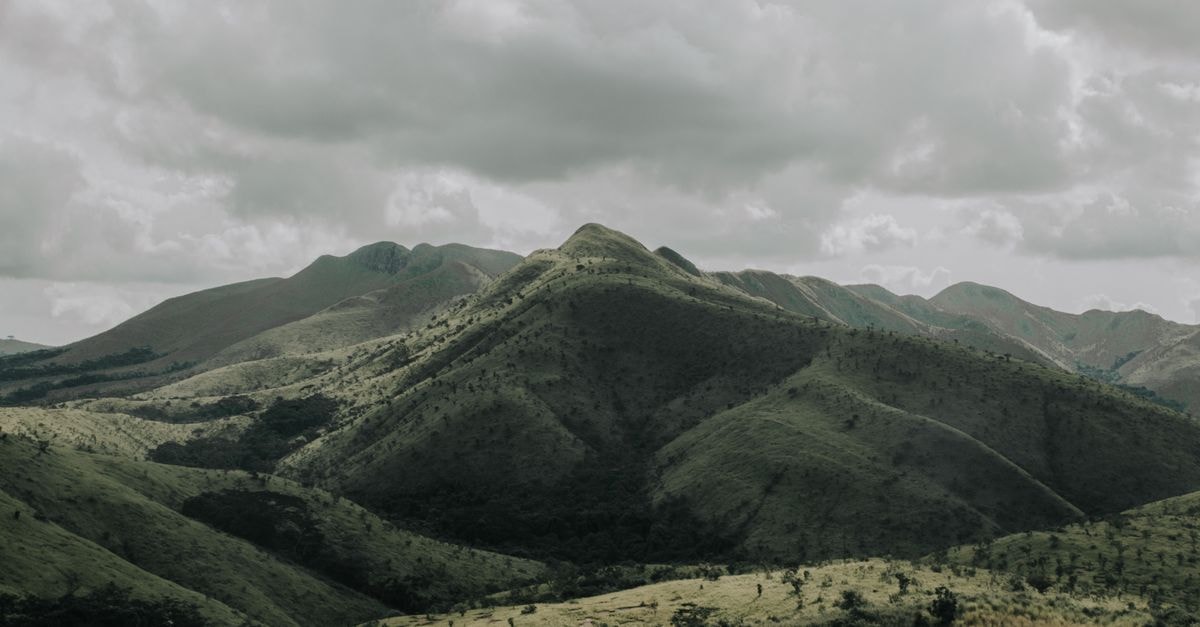
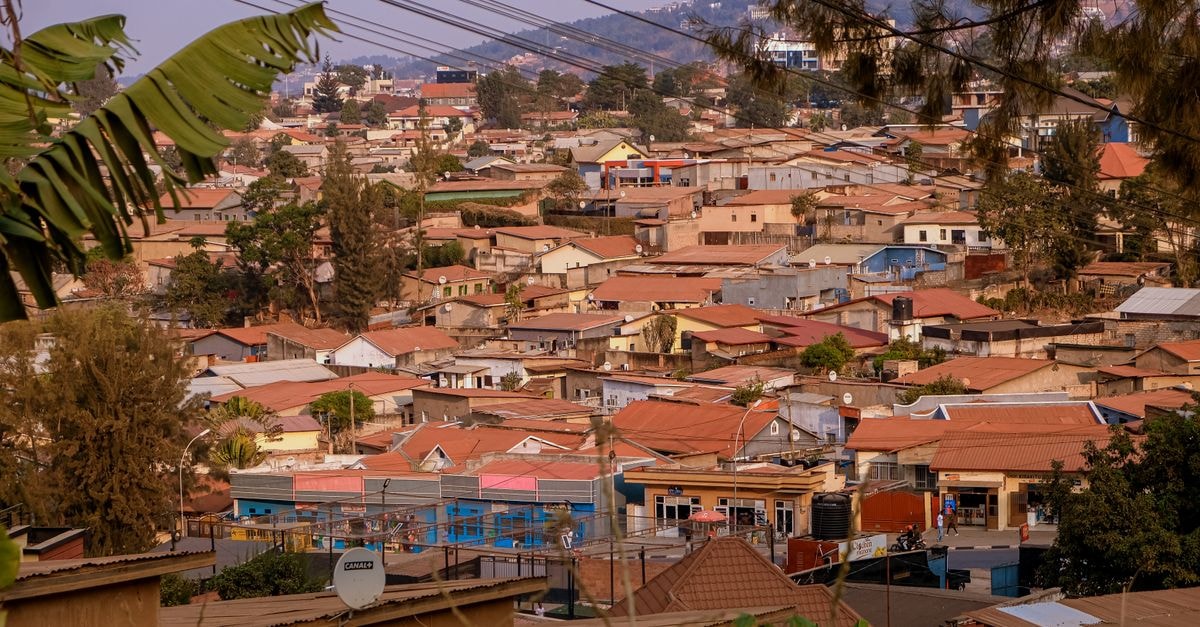
There is a particular kind of energy in western Ethiopia, where the road climbs through eucalyptus groves and small market towns before spilling out into the wide bowl of land that holds Jimma. As the capital of one of the country's most celebrated coffee-producing regions, Jimma carries the rhythms of a working highland city rather than a museum piece, and that everyday feel is part of its draw for travelers who like to observe a place as it actually lives.
The city takes its name from the 19th-century Islamic kingdom of Jimma, a polity that grew rich because it sat at the meeting point of several trade routes. Those same corridors still define how people arrive and move through the area today, and they give even a short visit a sense of moving along historic lines. Visitors tend to find that Jimma is a large, lively city blessed with excellent tourist facilities and a warm location in the fertile western highlands, which makes settling in for a few unhurried days feel natural rather than rushed.
If you travel slowly and let the coffee ritual lead the way, Jimma rewards the kind of visitor who is curious about provenance, landscape, and the slow conversation between a place and its crops.
Weather and seasonal context
Because the approved notes for Jimma do not include specific temperature figures or a dated forecast, it is more useful to think about how the city's highland setting tends to shape the day rather than to fix on a number. The surrounding western highlands lend Jimma a milder feel than the lowlands to the east, and the rhythm of coffee-growing country means that morning light, midday warmth, and the cooling of late afternoon can each set a different pace.
A locally arranged 2-day city tour typically offers a mix of historical, cultural, and natural experiences, and tour adjustments can be made based on your interests and the specific events or activities happening during your visit. For travelers who prefer to keep their days flexible, this kind of adaptable pacing can suit a place where weather often shifts between bright sun and a soft, cool mist within a single afternoon. Consider building in slack time between planned stops so that a sudden shower or a long conversation over coffee does not eat into the next item on your list. Travelers who dislike being on a rigid timetable may appreciate this looser shape, while those who want every hour accounted for should plan a clear personal outline and ask locally about timing for any specific site.
Getting around
Jimma reads as a city built around movement. As a settlement that grew up where several trade routes once converged, it has always been a place designed for people, goods, and stories passing through, and that legacy still shows in how visitors orient themselves on arrival. The town's lively character and its position in the fertile western highlands mean that the distance between a guesthouse, a market street, and the surrounding countryside often feels closer than the map suggests, especially once you have learned the main arteries.
For travelers who like to balance city exploration with a sense of the broader region, Jimma's role as a regional capital and its reputation for excellent tourist facilities make it a practical base. Short walks to nearby points of interest are usually paired with the occasional ride out into the coffee country beyond the city center. If you prefer to keep transitions gentle, plan to cluster any out-of-town activities into a single longer half-day rather than bouncing back and forth, and leave the central streets for slow, on-foot wandering when the light is at its most flattering.
Attractions and planning
The city's identity is tied to the kingdom of Jimma and to the coffee lands that still ring it, and that combination gives visitors two complementary lenses for an itinerary. Historical references center on the legacy of the 19th-century Islamic kingdom of Jimma, whose position at the meeting point of several trade routes shaped both the built environment and the cultural mix you encounter today. The natural setting in the fertile western highlands adds a second layer, with the rhythms of a coffee-producing area woven into daily street life.
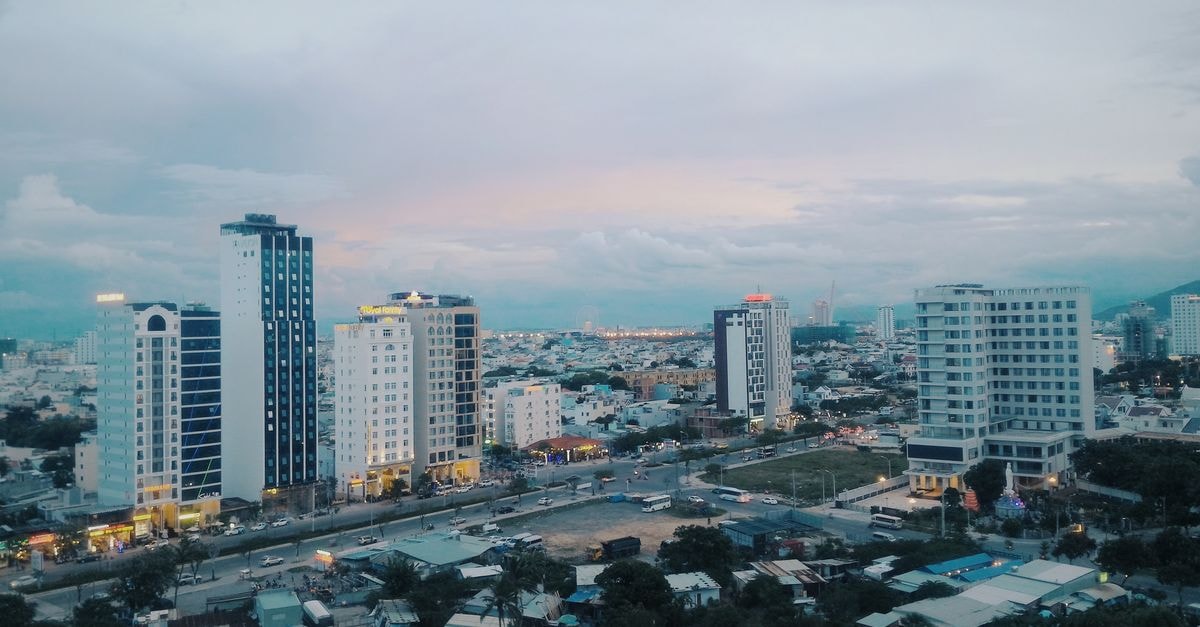
Because the approved record references municipal and regional imagery rather than a fixed list of named sites, the most grounded approach is to use the city's role as a regional capital and tourist hub as a planning anchor. A locally arranged itinerary that mixes historical, cultural, and natural experiences, with adjustments based on your interests and the specific events or activities happening during your visit, tends to be the most flexible way to see the city. Travelers who prefer a deeper focus on a single theme can ask their guide or hotel to lean the day toward either the kingdom-era history or the highland landscape, while those who like variety can keep both threads running in parallel.
Choosing what fits your trip
Jimma lends itself to a few different trip shapes, and the right one depends on how you like to travel. If your priority is the coffee story, build the day around the regional growing areas and treat the city as the comfortable base where you return each evening; the city's facilities and its position in the fertile western highlands make this an easy rhythm to maintain. If your interest is more historical, center the visit on the legacy of the kingdom of Jimma and the trade-route geography that explains why the city exists where it does. For travelers who like a balanced pace, an adaptable 2-day outline with room for adjustments based on local events tends to work well. Travelers who dislike structured tours may want to ask about self-guided options for specific sites, while those who enjoy context will likely appreciate a local guide for at least part of the stay.
A note before you go
Conditions on the ground, including road access, opening arrangements for specific sites, and any local events, can shift over time, so it is worth checking current information through official Ethiopian tourism channels, your accommodation, or a registered local guide before you set out on the day. Treat this guide as a starting frame for Jimma rather than a fixed schedule, and let the city's highland pace and coffee culture set the tone for the rest of your time in Ethiopia.
Prices, opening hours, schedules, reservation rules, and local conditions can change; verify them through official channels before departure.
Share this article
TOOLS FOR THIS PLAN
Make the Jimma plan measurable
Choose a tool only when it answers the next question in your trip. Your values stay in the browser, and each tool offers a route back to this planning context.